

Ignition Contact Set Guide for the 1955-1956 Studebaker E5
Keep your classic Studebaker's spark alive with the right set of ignition points.
- The ignition contact set (points) is a routine maintenance part that wears out over time.
- Common failure symptoms include rough running, misfires, stalling, and a no-start condition.
- For the 1955-1956 E5, aftermarket brands like Standard Ignition are the primary source for new parts.
- Setting the correct point gap is critical: .013" for a '55 V8 and .016" for a '56 V8.
Signs of a Failing Ignition Contact Set
Ignition points are a wear item and require regular service. When they start to fail, your truck will let you know. The contact surfaces can become burned, pitted, or misaligned, and the rubbing block that rides on the distributor cam can wear down. This wear changes the critical gap and timing, leading to noticeable performance issues.
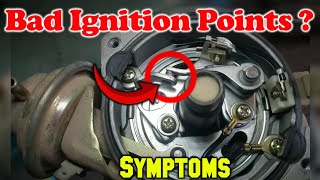
🎬 See common classic car symptoms of bad ignition points.Driving with a failing ignition contact set can be risky, as the vehicle may lose power or fail to start at any time.
Choosing the Right Aftermarket Contact Set
For a vintage vehicle like the 1955-1956 Studebaker E5, new original equipment manufacturer (OEM) parts are generally unavailable. The aftermarket is the primary source for new ignition components.
Standard Ignition (Standard Motor Products): This is a long-standing brand in the automotive aftermarket, known for producing reliable ignition components for American vehicles. For classic models like the Studebaker E5, Standard is a trusted and widely available option that meets or exceeds original specifications. Given the simplicity and importance of the part, a quality set from a reputable manufacturer like Standard is a sound investment.
Many owners of classic vehicles with points ignition choose to upgrade to an electronic ignition conversion kit. These kits from brands like PerTronix or Hot-Spark replace the points and condenser with a solid-state module, eliminating 🎬 Learn how points work and how to replace them. the need for regular adjustments and providing a more consistent spark. However, for owners prioritizing originality, a quality set of points remains the correct choice.
Cost of Replacing an Ignition Contact Set
| Part Type | Price Range |
|---|---|
| New Aftermarket (Standard Ignition) | $21.53 - $27.65 |
| Shop Labor | $60 - $120 |
Frequently Asked Questions (FAQ)
What is the correct ignition point gap for a 1955-1956 Studebaker V8?
For a 1955 Studebaker V8, the point gap should be set to .013 inches. For a 1956 Studebaker V8, the gap should be .016 inches. The dwell angle, which is a more precise measurement, should be between 28-34 degrees for the 1955 V8 and 26-33 degrees for the 1956 V8.
How often should I replace the ignition points?
Ignition points and the condenser typically last around 20,000 miles, but this can vary based on driving conditions. It's good practice to inspect them during regular tune-ups. Look for pitting, burning, or excessive wear on the rubbing block.
Can I replace the ignition contact set myself?
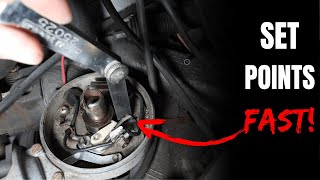
Yes, this is a common DIY maintenance task for classic vehicles. The job requires basic hand tools, a feeler gauge to set the gap 🎬 Watch this quick guide on how to set point gaps., and potentially a dwell meter for more precise adjustment. It's important to ensure the new points are clean and the gap is set correctly for your specific engine.
Should I replace the condenser at the same time?
Yes, it is highly recommended to replace the condenser whenever you replace the ignition points. A failing condenser can cause the new points to burn and pit very quickly. Most ignition point sets are sold as a kit with a new condenser.
Helpful Videos
Technical Specifications
Point Gap (1955 V8): .013 in. Dwell Angle (1955 V8): 28-34 degrees Point Gap (1956 V8): .016 in. Dwell Angle (1956 V8): 26-33 degrees
We Have This Part in Stock


The information in this article is provided for general reference and educational purposes only. Vehicle specifications, procedures, and part compatibility can vary by production date, trim level, and region. Always consult your vehicle's factory service manual and verify part numbers before purchasing or performing repairs. Safety-critical components such as airbags, seat belts, and braking systems should be installed by a qualified professional.