

Ignition Coil Guide for the 1955-1956 Studebaker E15 Truck
Find the right ignition coil for your classic Studebaker truck and get it running smoothly.
- You must buy the correct voltage coil: 1955 models use a 6-volt coil and 1956 models use a 12-volt coil.
- Symptoms of a bad coil include hard starting, misfiring, stalling, and loss of power.
- This is an easy DIY repair that can be done in under 30 minutes with basic tools.
- Brands like NGK and Standard Ignition offer reliable, high-quality replacements.
Signs of a Failing Ignition Coil
An ignition coil on a vintage truck like the Studebaker E15 can fail gradually or suddenly. Heat and vibration are its main enemies. When it starts to go bad, you will notice clear signs that your engine isn't happy.
- Hard Starting or No Start: This is a very common symptom. A weak coil can't produce enough voltage for a good spark, making the engine difficult to start, especially when cold. A completely failed coil will leave you with a no-start condition.
- Engine Misfires and Rough Running: You might feel the engine stutter, shake, or run unevenly. This often gets worse as you accelerate or put the engine under load, like going up a hill.
- Loss of Power: Your truck may feel sluggish and less powerful than normal.
- Backfiring: Loud popping sounds from the exhaust can happen when unburned fuel gets into the exhaust system because of a weak or inconsistent spark.
- Stalling: The engine may stall unexpectedly, especially after it has warmed up.
Choosing the Right Aftermarket Ignition Coil
For a 1955-1956 Studebaker, new original "OEM" parts are not available. All new ignition coils are aftermarket replacements. This is not a bad thing, as modern manufacturing can offer excellent quality. The most critical factor is choosing the correct coil for your truck's specific electrical system.
Brand Quality Tiers
| Tier | Brands | Our Assessment |
|---|---|---|
| Better | NGK, Standard Ignition (Blue Streak) | These are well-respected brands known for quality components and reliable performance. Standard's Blue Streak line is often considered a heavy-duty option. NGK is a major OE supplier for modern cars and brings that engineering to their aftermarket parts. |
| Good | Spectra, Standard Ignition (Standard) | These brands offer a great balance of quality and price. They are dependable, widely available replacements that meet original specifications and are a solid choice for most owners. |
| Economy | Skyward | These are budget-friendly options that will get your truck running. While they meet the basic requirements, they may not have the same long-term durability as higher-tiered brands. |
Critical: 6-Volt vs. 12-Volt Systems
This is the most common mistake when ordering. 1955 Studebaker trucks used a 6-volt electrical system. 1956 models switched to a 12-volt system. You MUST order the ignition coil that matches your truck's voltage. Installing a 6-volt coil on a 12-volt system will burn it out quickly. Installing a 12-volt coil on a 6-volt system will result in a very weak spark and poor performance.
Typical Costs for a New Ignition Coil
Replacing the ignition coil on your Studebaker is an affordable repair. The part itself is not expensive, and if you have it done at a shop, the labor is minimal.
| Part Type | Price Range | Notes |
|---|---|---|
| New Aftermarket | $23.53 - $51.38 | This is the standard replacement. Price varies by brand. |
| Shop Labor | $50 - $100 | Typically less than one hour of labor. |
Consider a Tune-Up
While you are replacing the ignition coil, it's a great time to inspect other parts of your ignition system. The ignition points, condenser, distributor cap, rotor, and spark plug wires all work together. Replacing these wear items at the same time can save you time and ensure your engine runs its best.
Frequently Asked Questions
Can I replace the ignition coil myself?
Yes, this is a very easy job for a DIYer. It usually involves disconnecting the battery, removing two small wires and the main high-tension lead from the old coil, unbolting the coil from its bracket, and installing the new one. The entire process should take less than 30 minutes with basic hand tools.
Do I need an external resistor?
It depends on the coil and your system. Some 12-volt systems use an external ballast resistor to reduce voltage to the coil while the engine is running. Coils designed for these systems will be marked "External Resistor Required." Other coils have an internal resistor and do not need an external one. Be sure to get a coil that matches your truck's original setup. Most 6-volt systems do not use a ballast resistor.
Is a more expensive coil better?
Often, yes. Higher-priced coils from brands like NGK or Standard's Blue Streak line typically use better materials, such as higher-quality windings and epoxy filling, which helps them resist heat and vibration better, leading to a longer life. For a truck you rely on, spending a little more can be a good investment.
What's the difference between an oil-filled and epoxy-filled coil?
Traditionally, coils were filled with oil to help cool the internal windings. Modern coils often use a solid epoxy filling. Epoxy is generally better at dissipating heat and provides superior resistance to vibration, which can help the coil last longer.
Technical Specifications
OEM Part Numbers: 520354 530956 1539450 1539454
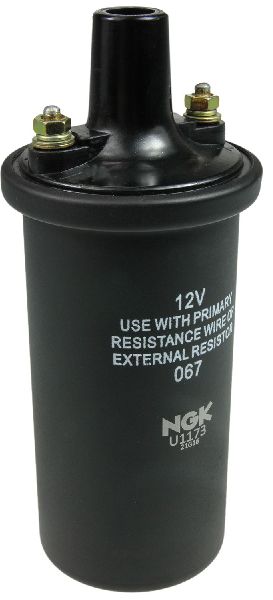
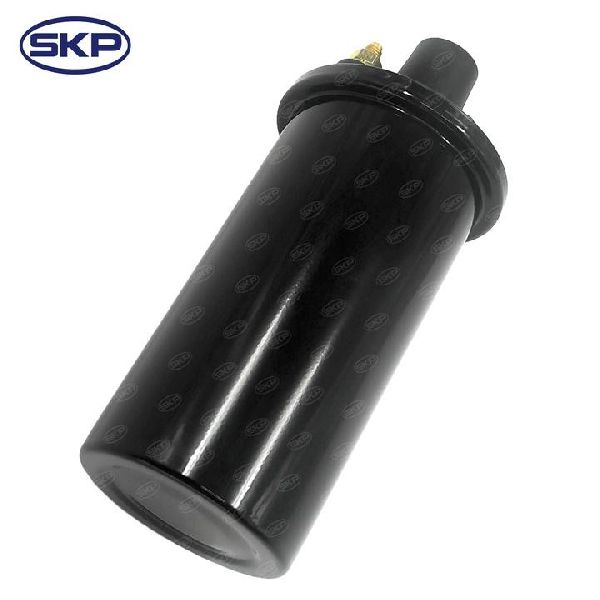
Voltage: 6V (1955 models), 12V (1956 models). Style: Canister, external mount. Terminals: 2 low-voltage terminals, 1 high-voltage output tower.
We Have This Part in Stock


The information in this article is provided for general reference and educational purposes only. Vehicle specifications, procedures, and part compatibility can vary by production date, trim level, and region. Always consult your vehicle's factory service manual and verify part numbers before purchasing or performing repairs. Safety-critical components such as airbags, seat belts, and braking systems should be installed by a qualified professional.