

Accessory Drive Belt Guide for the 1955-1956 Studebaker E12
Keep your classic Studebaker truck's engine running cool and charging properly with the right V-belts.
- Your truck uses one or more V-belts; a failure of the main belt will cause overheating and a dead battery.
- Squealing, visible cracks, and a generator warning light are clear signs a belt needs replacement.
- Modern aftermarket brands like Gates and Continental are excellent, high-quality replacements.
- Replacing the belts is a simple, low-cost DIY job that is crucial for reliability.
Symptoms of a Failing Accessory Drive Belt
On a classic truck like the Studebaker E12, the V-belts are a regular wear item. Catching problems early can save you from a breakdown. Look and listen for these signs:
- Squealing Noises: A loud squeal, especially when you start the engine or accelerate, is the most common symptom. This noise usually means the belt is loose, worn, or contaminated with oil or coolant.
- Visible Damage: Inspect the belts. If you see cracks, fraying, missing pieces, or a shiny, smooth surface (called glazing), the belt is old and needs to be replaced. 🎬 Watch this guide to identify signs of belt wear.
- Battery or Generator Light: If the "GEN" light on your dash flickers or stays on, the belt driving the generator might be slipping. A slipping belt can't spin the generator fast enough to properly charge the battery.
- Engine Overheating: If the belt driving the water pump breaks or slips badly, the engine temperature will rise very quickly. Pull over immediately if you see this to avoid severe engine damage.
Critical Failure Warning
If an accessory drive belt breaks while you are driving, your engine will lose power to the water pump and generator. This will cause the engine to overheat rapidly and the battery to stop charging. You must pull over and shut off the engine immediately to prevent catastrophic damage.
Choosing the Right Aftermarket Belt
For a vintage vehicle like the 1955-1956 Studebaker E12, finding original "OEM" belts is not practical. Fortunately, modern aftermarket belts from reputable brands offer superior performance and durability compared to the original 1950s technology.
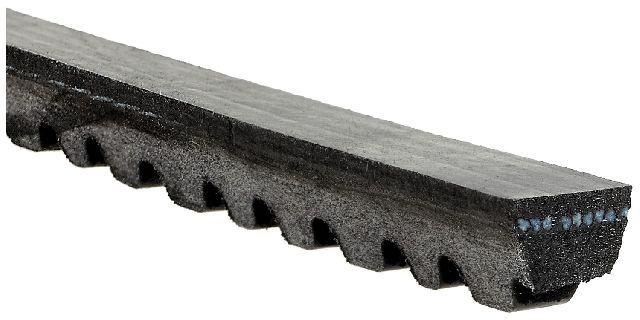
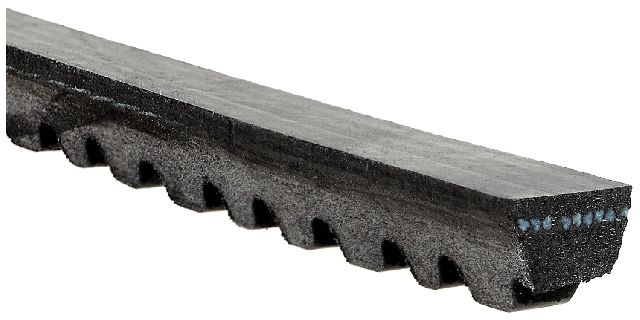
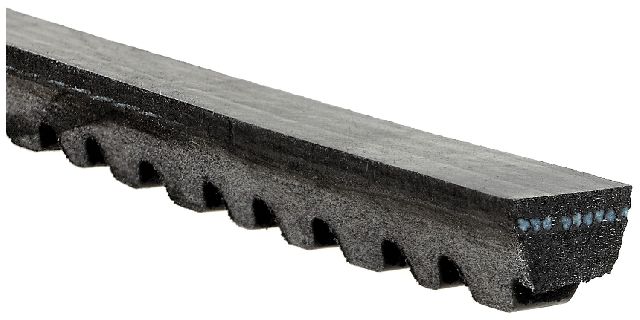
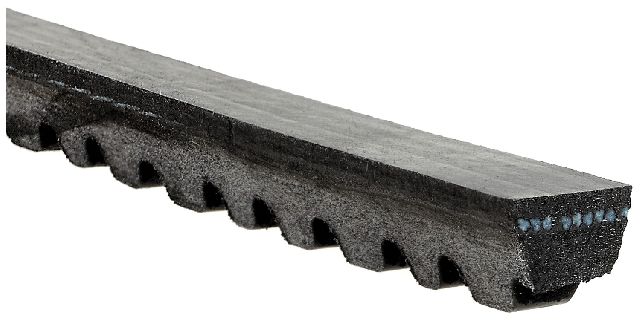
Your truck uses V-belts, not a modern, single serpentine belt. You may need more than one, depending on your engine and accessories. The most important factor is getting the correct length and width for each position (e.g., Fan/Generator, Power Steering).
- Premium Brands (Gates, Continental): Both Gates and Continental are top-tier manufacturers of V-belts and are widely considered excellent choices for classic vehicles. They use modern rubber compounds that resist heat, oil, and cracking better than older belts. For this application, both brands provide reliable performance, and the choice often comes down to availability or price.
Pro Tip: Check Your Pulleys
When replacing your belts, take a moment to inspect the pulleys. Clean any oil or grime out of the V-grooves. Check each pulley for wobble or roughness when you spin it by hand. A bad pulley bearing can destroy a new belt quickly.
| Part Type | Estimated Cost |
|---|---|
| New Aftermarket (e.g., Gates, Continental) | $2.60 - $39.20 per belt |
| New OEM | Not available |
| Shop Labor for Replacement | $50 - $100 |
Frequently Asked Questions
How many belts does my Studebaker E12 have?
It depends on the engine and options. A basic truck will have at least one V-belt for the generator and water pump. If your truck is equipped with optional power steering, it will have a second belt for that pump. Always verify the number and length of belts your specific truck requires.
Why is my new belt squealing?
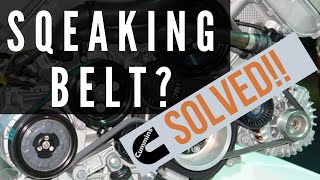
The most common reason for a new belt to squeal is improper tension; it is likely too loose. 🎬 Learn how to diagnose and fix a squealing belt. It could also be due to oil or coolant residue on the pulleys. Always clean the pulleys before installing a new belt. In some cases, worn or misaligned pulleys can also cause noise.
Can I replace the accessory drive belts myself?
Yes, for most owners with basic hand tools, this is a very feasible DIY job. The process involves loosening the generator or accessory to create slack, removing the old belt, fitting the new one, and then re-tensioning the accessory. There are no complex automatic tensioners like on modern cars.
How tight should a V-belt be?
A common rule of thumb for V-belts is that you should be able to press down on the belt at the longest point between pulleys and have about half an inch of deflection. It should be tight enough not to slip, but not so tight that it puts excessive strain on the accessory bearings.
Helpful Videos

Technical Specifications
The system uses V-belts, not a modern serpentine belt. Key specifications are the belt's top width and outside circumference. These vary based on engine (I6 or V8) and accessories (with or without power steering). For example, a Gates 7565 belt for a V8 model has an outside circumference of 56 5/8 inches. Always verify the correct size for your specific truck.
We Have This Part in Stock

The information in this article is provided for general reference and educational purposes only. Vehicle specifications, procedures, and part compatibility can vary by production date, trim level, and region. Always consult your vehicle's factory service manual and verify part numbers before purchasing or performing repairs. Safety-critical components such as airbags, seat belts, and braking systems should be installed by a qualified professional.