

Choosing the Right Ignition Coil for Your 1955-1956 Studebaker E11 Truck
Keep your classic Studebaker running strong by matching the new ignition coil to your truck's specific electrical system.
- You MUST verify if your truck has a 6-volt or 12-volt electrical system before ordering a coil; they are not interchangeable.
- Determine if your system uses an external ballast resistor and choose a new coil that is compatible (either requiring an external resistor or having one internally).
- Symptoms like misfiring, stalling, and no-start are common for a failing coil, but can also be caused by worn points and condensers.
- For a critical part like this, choosing a reputable aftermarket brand like NGK or Standard Ignition is a wise investment in reliability.
The Most Important Question: 6-Volt or 12-Volt?
Before you buy any ignition part for your 1955-1956 Studebaker truck, you must know its system voltage. This is the most common mistake owners make. Originally, 1955 models often had a 6-volt system, while 1956 models began transitioning to 12-volts. However, over 70 years, many 6-volt trucks have been converted to 12-volt systems. An ignition coil designed for a 12-volt system will produce a very weak spark on a 6-volt truck, and a 6-volt coil will quickly burn out on a 12-volt system.
Understanding Ballast Resistors
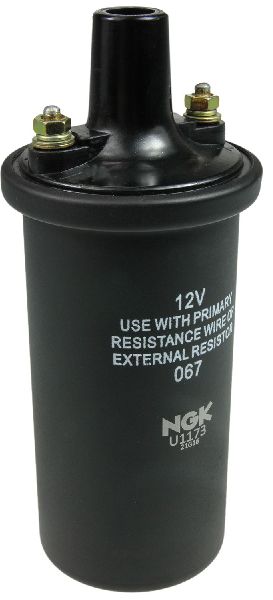
Many ignition systems of this era use an external ballast resistor. This is a ceramic block, usually mounted on the firewall, that reduces the voltage going to the coil while the engine is running to prevent it from overheating. Some coils are made with a built-in internal resistor and do not need an external one. You must buy a coil that matches your truck's setup.
- "External Resistor Required": If your new coil says this, you must use it with a functioning ballast resistor.
- "Internal Resistor": If the coil has an internal resistor, you should not use an external one.
Signs of a Failing Ignition Coil
An ignition coil can fail gradually or all at once. Heat and vibration are the main causes of failure in these older canister-style coils. Watch for these symptoms:
- Hard Starting or No Start: The engine cranks but won't fire up, or takes a long time to start. This can be from a weak or nonexistent spark.
- Engine Misfires: The engine runs rough, shakes, or feels lumpy, especially when you try to accelerate.
- Stalling: The engine may die unexpectedly, especially when idling at a stop.
- Backfiring: Loud pops from the exhaust can happen when unburned fuel ignites in the exhaust system due to a weak or mistimed spark.
- Loss of Power: The truck feels sluggish and weak because the spark isn't strong enough to burn the fuel efficiently under load.
Choosing the Right Aftermarket Ignition Coil
For a classic truck, new original equipment (OEM) parts are not available. Aftermarket parts are the standard. Quality varies by brand, so it's wise to choose a brand with a good reputation for reliability.
| Brand Tier | Brands | Quality & Performance Notes |
|---|---|---|
| Premium Quality | NGK, Standard Ignition | These brands have a strong reputation for producing reliable ignition components that meet or exceed original specifications. They are trusted by professional mechanics and are an excellent choice for dependability in your classic truck. |
| Standard / Value | Spectra, Skyward | These brands are typically more budget-focused. Some user reviews for Spectra on modern vehicles report issues with longevity, suggesting quality can be inconsistent. No specific information was found for the Skyward brand. These may be suitable for a limited-use vehicle, but may not offer the same long-term reliability as premium brands. |
Frequently Asked Questions (FAQ)
Is an aftermarket coil okay for my classic Studebaker?
Yes, absolutely. Since original factory parts are no longer made, a quality aftermarket coil from a reputable manufacturer is the best and most common choice for keeping your truck on the road.
How do I know it's the coil and not the points or condenser?
The symptoms are very similar. Points and condensers are wear items that should be replaced regularly (every 10-12k miles). A good diagnostic step is to check the spark coming from the coil wire to the distributor cap. If you have a strong, bright blue spark there, the coil is likely good, and the problem is with the cap, rotor, or points. If the spark is weak and yellow, or there's no spark, the coil is a likely suspect.
Can I replace the ignition coil myself?
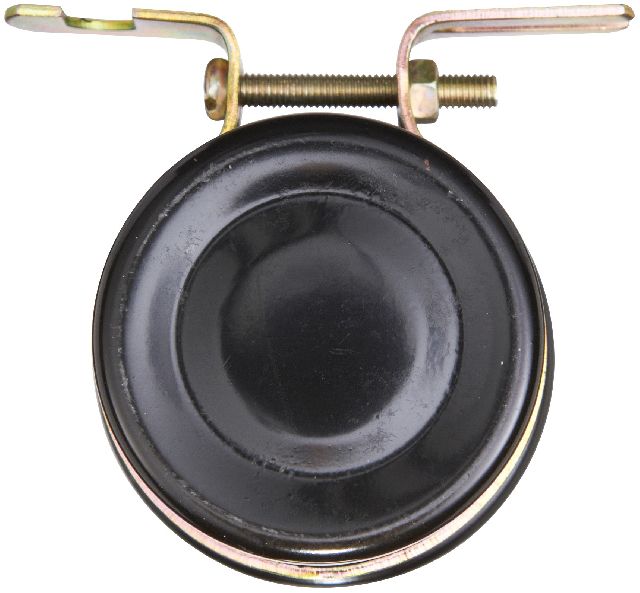
Yes, this is a very easy job for a DIY mechanic. It typically involves disconnecting the battery, removing a few wires from the coil terminals, and unbolting the bracket that holds the coil in place. The entire job usually takes less than 30 minutes with basic hand tools.
Do I need special tools to replace the coil?
No special tools are required. A basic set of wrenches or a socket set to remove the bracket bolt and terminal nuts is all you need. Make sure to label the small wires so you can reconnect them correctly to the new coil's positive (+) and negative (-) terminals.
Technical Specifications
Vehicle Voltage: 6V or 12V (Must Match Vehicle) Coil Type: Canister Style Ignition System: Points and Condenser Resistor: Must match vehicle requirements (Internal or External Ballast Resistor)
We Have This Part in Stock


The information in this article is provided for general reference and educational purposes only. Vehicle specifications, procedures, and part compatibility can vary by production date, trim level, and region. Always consult your vehicle's factory service manual and verify part numbers before purchasing or performing repairs. Safety-critical components such as airbags, seat belts, and braking systems should be installed by a qualified professional.