

A Comprehensive Guide to the Ignition Coil for Your 1955-1956 Studebaker E10
Choosing the right ignition coil is critical to keep your classic Studebaker running reliably—here's what you need to know.
- You MUST verify if your truck has a 6-volt (1955) or 12-volt (1956) electrical system before ordering a coil.
- A new aftermarket coil from a reputable brand like Standard Ignition or NGK is a more reliable choice than a 70-year-old New Old Stock (NOS) part.
- Symptoms like hard starting, misfiring, and stalling are classic signs of a failing ignition coil.
- Replacement is a simple, beginner-friendly DIY task that typically takes less than 30 minutes.
Is Your Studebaker E10 Having Ignition Problems?
A failing ignition coil is a common issue on vintage trucks that can leave you stranded. Because it's a simple electrical part that works hard every time the engine is running, it can wear out over time. Heat from the engine bay and vibrations can cause the internal windings to break down, leading to a weak or non-existent spark.
Critical: Check Your Truck's Voltage Before Buying!
The single most important step is to identify your truck's electrical system. 1955 Studebaker models typically have a 6-volt system, while 1956 models were factory-equipped with a 12-volt system. Many trucks have been converted over the years. Using the wrong voltage coil will cause it to fail immediately or not work at all. Check your battery: a 6-volt battery has 3 filler caps, while a 12-volt battery has 6.
Signs of a Failing Ignition Coil
When an ignition coil starts to go bad, it usually gives you some warning signs. Ignoring them can lead to a no-start situation, often at the worst possible time.
- Hard Starting or No Start: The engine cranks but won't fire up, or takes a very long time to start. This is often due to a weak spark.
- Engine Misfires: The truck may sputter or hesitate during acceleration because the coil isn't providing a consistent spark.
- Rough Idle: An inconsistent spark can make the engine run poorly and shake at idle.
- Stalling: The engine may suddenly die, especially when it's hot, as the coil's internal components fail under heat.
- Poor Engine Performance: You might notice a general lack of power, poor acceleration, and worse fuel economy.
Choosing the Right Aftermarket Ignition Coil
For a vehicle from the 1950s, "new old stock" (NOS) OEM parts are not practical. The internal components of a 70-year-old electrical part can degrade over time, even on a shelf. A freshly manufactured aftermarket coil is the most reliable choice. Here’s a breakdown of available brands.
Premium & Trusted Brands ($40 - $52)
These brands have a long-standing reputation for quality and are excellent choices for reliability.
- Standard Ignition (SMP): Often considered the go-to brand for American classic vehicle ignition parts. Their parts are known for meeting or exceeding original specifications, and their Blue Streak line is viewed as a premium, heavy-duty option.
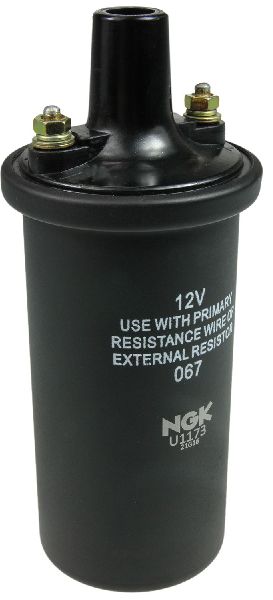
- NGK: While famous for spark plugs, NGK also produces high-quality ignition components trusted by mechanics. They are known for reliability and are a solid choice for a long-lasting repair.
Standard & Value Brands ($28 - $40)
These brands offer a good balance of price and quality for a daily driver or a budget-conscious restoration.
- Spectra Premium: Spectra offers a wide range of parts and states their products are tested to meet OE specifications. User reviews are generally positive, positioning them as a reliable value-oriented option.
Economy Brands (Under $28)
These brands are the most affordable but may lack the long-term track record of more established names.
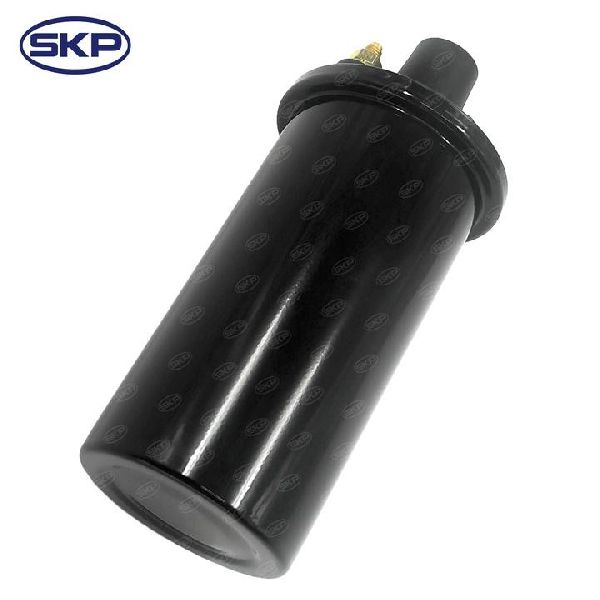
- Skyward: This is a budget-friendly option. While specific reviews for this brand on classic Studebakers are scarce, it provides a low-cost alternative for getting a truck back on the road.
Pro Tip: Consider a Tune-Up
A failing ignition coil can be damaged by old, worn-out spark plugs and distributor components (like points and condenser). If you're replacing the coil, it's the perfect time to also install new spark plugs, points, and a condenser to ensure your entire ignition system is reliable.
Frequently Asked Questions
Do I need a coil with an external ballast resistor?
It depends on your system. Some 12-volt systems use a 6-volt coil along with a ballast resistor. The resistor reduces the voltage during normal operation to prevent the coil from overheating but is bypassed during startup to provide a hotter spark. If your new coil is marked "external resistor required," you must use one if your system is designed for it. Check your truck's wiring or service manual.
How can I test my old ignition coil?
You can test a coil with a multimeter. Measure the resistance between the small positive (+) and negative (-) terminals (primary winding) and between the center high-voltage tower and one of the small terminals (secondary winding). Compare these readings to the specifications in a service manual. However, a coil can sometimes test fine when cold but fail when it gets hot, so symptoms are often the best indicator.
Is replacing the ignition coil a difficult job?
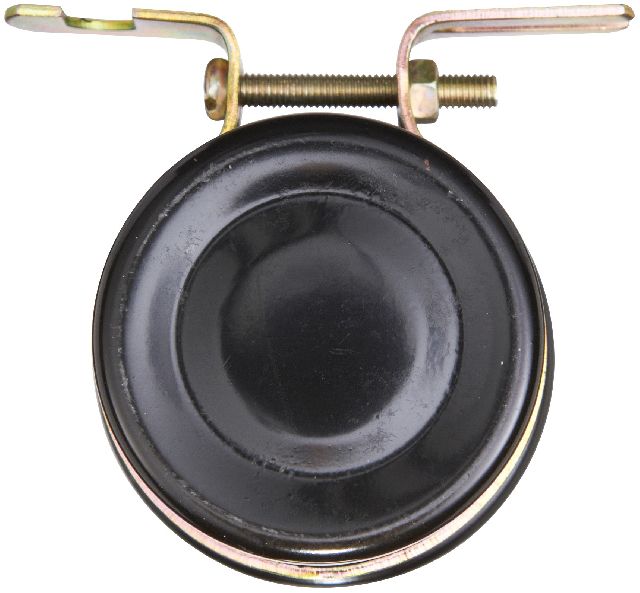
No, this is a very easy job for a DIY mechanic. The coil is typically mounted to the firewall or engine block with a simple bracket. It involves disconnecting the battery, labeling and removing a few electrical wires, unbolting the old coil, and installing the new one in its place. The entire process usually takes less than 30 minutes.
Are there any recalls for the Studebaker E10 ignition coil?
No. There are no NHTSA recalls or Technical Service Bulletins (TSBs) for the ignition system on a 1955-1956 Studebaker E10. These systems are simple and failures are due to the normal aging of components.
Technical Specifications
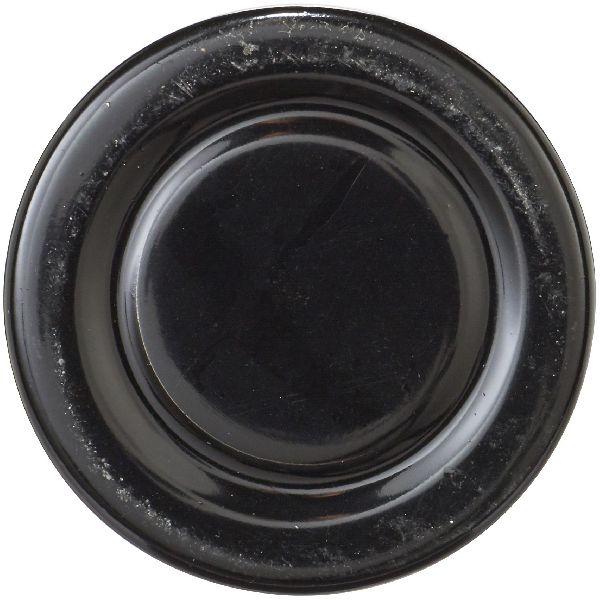
Voltage: 6V or 12V (Must match vehicle system) Type: Canister, oil-filled Resistor: May require an external ballast resistor depending on system design.
We Have This Part in Stock


The information in this article is provided for general reference and educational purposes only. Vehicle specifications, procedures, and part compatibility can vary by production date, trim level, and region. Always consult your vehicle's factory service manual and verify part numbers before purchasing or performing repairs. Safety-critical components such as airbags, seat belts, and braking systems should be installed by a qualified professional.