

A Deep Dive into the Universal Joint for the 1955-1956 Hudson Rambler
Learn about the unique driveline in your classic Rambler and how to spot a failing universal joint.
- Your 1955-56 Rambler has a torque tube driveline with a single U-joint at the transmission, which is different from modern cars.
- A critical failure symptom is a feeling of 'rear-end steering' or instability, which is unique to this design.
- New OEM parts are unavailable; quality aftermarket brands like GMB and Moog are the correct replacements.
- Proper installation is more critical to longevity than brand choice; avoid damaging the needle bearings in the caps.
Signs of a Failing Universal Joint in Your Rambler
When the U-joint in your Hudson Rambler starts to wear out, it will give you several warning signs. Because of your car's torque tube design, some symptoms are unique.
- Clunking or Banging Noise: The most common sign is a sharp 'clunk' when you shift from park into drive or reverse. This is the sound of excessive play in the worn-out joint.
- Vibrations While Driving: You may feel a vibration throughout the car that gets worse as you increase your speed. This is often confused with an out-of-balance tire, but if a tire balance doesn't fix it, the U-joint is a likely suspect.
- Squeaking Sounds: A rhythmic squeaking that matches your speed, especially at lower speeds, points to a dry U-joint that has lost its lubrication.
Special Warning for Torque Tube Vehicles
A severely worn joint in a torque tube car can cause alarming handling issues. You might feel the rear of the car 'steering' or wobbling, making the car feel unstable and disconnected. This happens because the failing joint allows the entire torque tube and rear axle assembly to flex improperly. Do not ignore this symptom.
Choosing the Right Aftermarket U-Joint
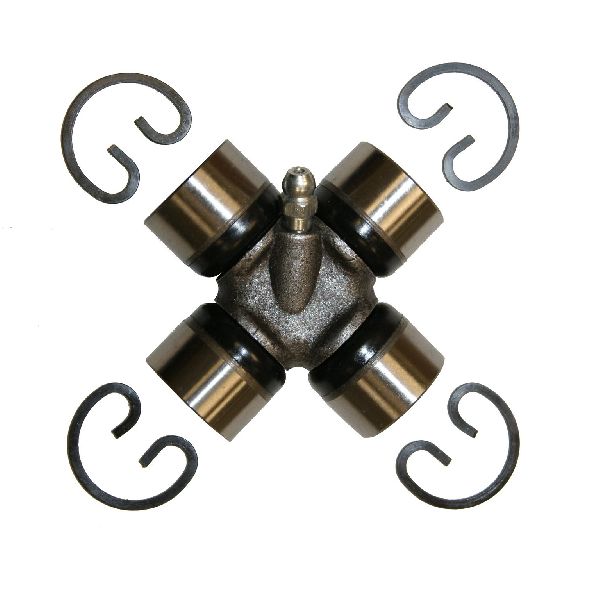
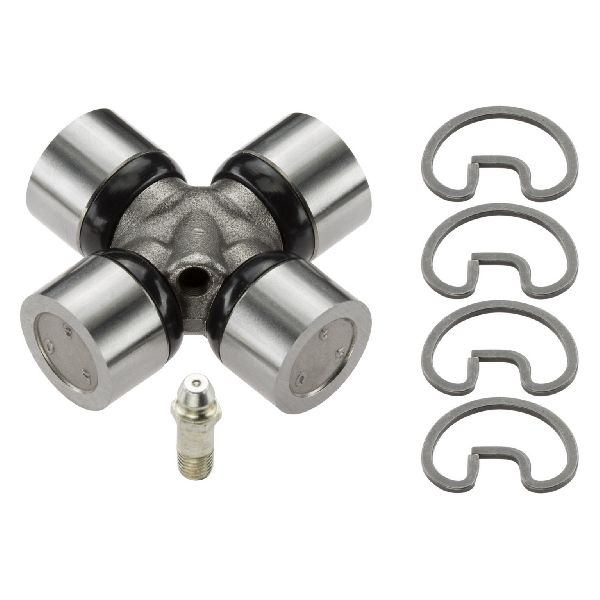
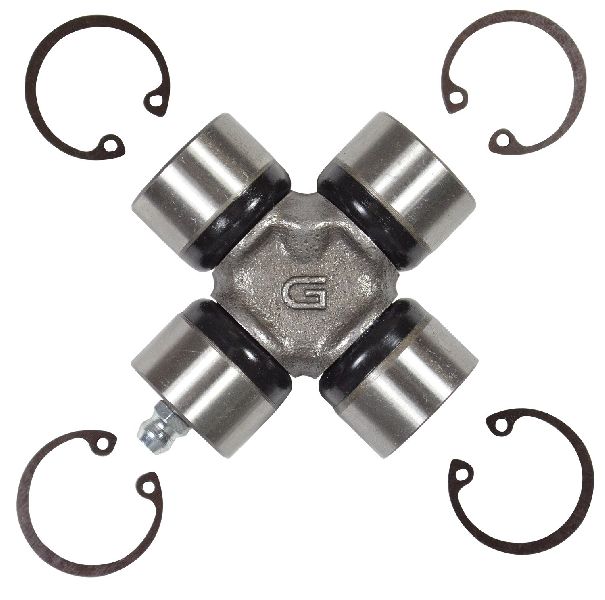
New Old Stock (NOS) or original OEM U-joints for a 1955-1956 Rambler are practically impossible to find. Your only option is a new aftermarket part. Fortunately, modern replacements are reliable and affordable. The two main brands you will find are GMB and Moog.
- GMB: GMB is a well-regarded Japanese manufacturer known for producing quality replacement parts that meet or exceed original specifications. They are an excellent choice for a standard, reliable replacement that offers great value.
- Moog: Moog is often positioned as a premium or heavy-duty aftermarket brand. While some online discussions mention inconsistent quality in recent years, their U-joints are generally considered a durable option, often priced slightly higher than GMB.
Pro Tip: For a classic car like the Hudson Rambler, both GMB and Moog are solid choices. The most important factor for a long-lasting repair is correct installation. Ensure no needle bearings fall out of the caps during pressing and that the joint moves freely without binding after it's installed.
Typical Replacement Costs
The cost to replace the U-joint is reasonable, but labor can be significant due to the age of the vehicle and the torque tube design.
| Part or Service | Estimated Cost |
|---|---|
| New Aftermarket U-Joint Part | $17 - $29 |
| Shop Labor | $250 - $450 |
| Total Estimated Cost | $267 - $479 |
Cost estimates are for reference only and may vary based on your location and the specific repair shop.
Frequently Asked Questions
Is the U-joint on my Rambler different from other cars?
Yes. Your Rambler has a torque tube driveline, which uses only one universal joint at the front, connecting the driveshaft to the transmission. Most rear-wheel-drive cars of later eras use an open driveshaft with two U-joints, one at each end.
Can I replace the universal joint myself?
This job is possible for a skilled DIY mechanic with the right tools. It requires removing the torque tube assembly, then using a large C-clamp, a vise, or a hydraulic press to remove the old joint and install the new one. Care must be taken not to damage the bearing caps or the driveshaft yokes. If you are not comfortable with this process, it is best left to a professional mechanic.
What happens if I don't replace a bad U-joint?
Ignoring a bad U-joint is dangerous. The vibrations will get worse, causing more damage to your transmission seals and other driveline parts. In a worst-case scenario, the joint can completely break, disconnecting the driveshaft and leaving you stranded. In a torque tube car, a failure can also lead to a total loss of vehicle control.
Should I get a greasable or non-greasable U-joint?
Greasable U-joints have a zerk fitting that allows you to add fresh grease periodically, which can extend their life if maintained. Non-greasable (or sealed) joints are filled with lubricant at the factory and require no maintenance. For a classic car that may not be driven daily, a sealed joint from a quality brand is often a simpler, fit-and-forget solution.
Technical Specifications
The 1955-1956 Hudson Rambler uses a single universal joint at the front of its torque tube driveshaft. Different joints may have been used depending on whether the car has a manual or automatic transmission. Original manufacturers included Spicer and Universal Products. Verifying the correct replacement part by cross-referencing or measurement is recommended before purchase.
We Have This Part in Stock

The information in this article is provided for general reference and educational purposes only. Vehicle specifications, procedures, and part compatibility can vary by production date, trim level, and region. Always consult your vehicle's factory service manual and verify part numbers before purchasing or performing repairs. Safety-critical components such as airbags, seat belts, and braking systems should be installed by a qualified professional.