

Ford Ranch Wagon Engine Coolant Bypass Hose Guide: 1954-1962
Everything you need to know about the coolant bypass hose on your classic 1954-1962 Ford Ranch Wagon.
- The bypass hose is critical for engine warm-up and preventing hot spots; a failure can cause severe engine damage.
- New aftermarket hoses from a brand like Gates are superior to original parts, using more durable modern rubber compounds.
- Always replace old hose clamps with new ones to ensure a proper seal.
- If the bypass hose is old enough to fail, your main radiator hoses should be replaced at the same time as a preventative measure.
Signs of a Failing Coolant Bypass Hose
On a classic car like the 1954-1962 Ranch Wagon, rubber components fail due to age. The bypass hose is no exception. It's important to inspect it regularly for signs of wear. A sudden failure can cause rapid coolant loss and lead to severe engine overheating, which can crack a cylinder head or cause other major damage.
- Visible Cracks and Damage: Look for cracks, splits, or hardening of the rubber, especially near the connection points.
- Spongy or Swollen Hose: If the hose feels soft, mushy, or swollen when you squeeze it (with the engine cold), its internal structure is breaking down and it needs immediate replacement.
- Coolant Leaks: Puddles of green or yellowish fluid under the engine are a clear sign of a leak. You may see crusty residue around the hose clamps.
- Coolant Smell: A distinct sweet smell from the engine bay after a drive often indicates a small coolant leak, even if you can't see it.
Critical Component Warning
A leaking or bulging coolant bypass hose is a sign of imminent failure. Do not drive your Ranch Wagon until the hose has been replaced to avoid the risk of catastrophic engine damage from overheating.
Choosing the Right Aftermarket Bypass Hose
For a vehicle from this era, finding a new original Ford (OEM) hose is practically impossible. Fortunately, modern aftermarket parts offer superior performance and durability.
- OEM vs. Aftermarket: Don't search for a Ford-branded part. A new aftermarket hose from a quality brand is the best choice. These are made from modern EPDM rubber compounds that are far more resistant to heat, oil, and degradation than the original rubber used in the 1950s and '60s.
- Brand Quality: Gates: Gates is a well-regarded, top-tier manufacturer of aftermarket hoses and belts. Mechanics and classic car owners often prefer Gates for its reputation of good fitment and durability. While any aftermarket part can occasionally have fitment variations, Gates is considered a reliable choice for ensuring your cooling system is sealed properly.
Pro Tip: Replace in Sets
If the bypass hose has failed from age, your main radiator hoses are likely in similar condition. It is highly recommended to replace the upper radiator hose, lower radiator hose, and all associated hose clamps at the same time you replace the bypass hose. This prevents you from having to do another cooling system repair shortly after the first one.
Typical Replacement Costs
The cost for a new aftermarket bypass hose for the 1954-1962 Ranch Wagon is higher than a typical piece of hose because it is often a specially molded part with low production volume.
| Part Type | Estimated Cost |
|---|---|
| New Aftermarket Hose (Gates) | $81.22 - $93.11 |
| Shop Labor | $90 - $150 |
Frequently Asked Questions
Why does this small hose cost so much?
The bypass hose for the Y-block V8 engines in these Fords is often a unique, pre-molded shape. Unlike simple straight hose that can be cut to length, this part must be manufactured specifically for this application. The low production volume for a classic vehicle part also contributes to the higher cost.
Do I need special coolant for my Ranch Wagon?
Yes, for classic cars of this era, you should use a conventional green IAT (Inorganic Additive Technology) antifreeze. Do not use modern orange, pink, or other extended-life coolants, as they can be incompatible with the metals (like copper and brass) in your original radiator and heater core.
Should I replace the hose clamps too?
Absolutely. Original hose clamps lose their tension over time and can be corroded. New clamps are inexpensive and essential for ensuring a tight, leak-free seal on your new hose.
Are there any recalls for the coolant bypass hose on my Ranch Wagon?
No, there are no active recalls or Technical Service Bulletins (TSBs) from Ford or the NHTSA related to the engine coolant bypass hose for the 1954-1962 Ford Ranch Wagon.
Technical Specifications
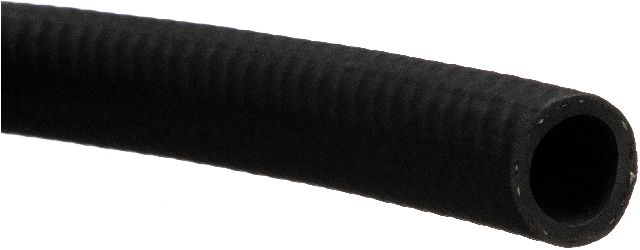
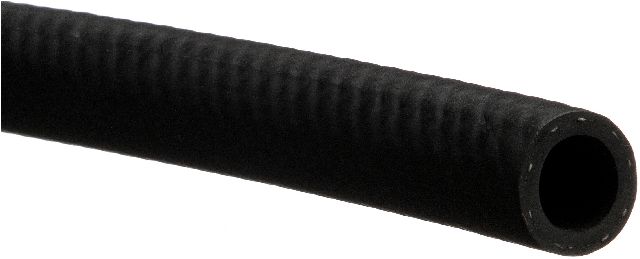
The bypass hose for the V8 engines in this period is typically a molded hose made of EPDM rubber, often with a 5/8 inch or similar inside diameter. It is designed to resist high temperatures and coolant additives.
We Have This Part in Stock

The information in this article is provided for general reference and educational purposes only. Vehicle specifications, procedures, and part compatibility can vary by production date, trim level, and region. Always consult your vehicle's factory service manual and verify part numbers before purchasing or performing repairs. Safety-critical components such as airbags, seat belts, and braking systems should be installed by a qualified professional.