

Radiator Coolant Hose Guide for 1954-1958 Studebaker Champion
Keep your classic Studebaker's engine cool by knowing when and how to replace your radiator hoses.
- Always choose a new aftermarket hose over a New Old Stock (NOS) part, as rubber degrades over time.
- Replace both upper and lower radiator hoses at the same time for system reliability.
- Inspect hoses regularly for cracks, swelling, or soft spots, especially on a classic car.
- Use conventional green IAT antifreeze mixed 50/50 with distilled water.
Signs of a Failing Radiator Hose
For a classic car like the Studebaker Champion, radiator hoses fail mostly due to age. Rubber becomes hard, brittle, and weak over time. It's important to inspect them regularly. Look for these common signs of failure:
- Visible Damage: Check for cracks, splits, or holes in the hoses. A hose that feels hard and crunchy when squeezed needs to be replaced immediately.
- Swelling or Soft Spots: If a hose feels soft, spongy, or swollen, it is deteriorating from the inside out. This is often caused by oil contamination or internal degradation and is a sign of a future burst.
- Coolant Leaks: Puddles of green or yellow, sweet-smelling fluid under your car are a sure sign of a leak. Check the hose connections at the radiator and engine. You might also see a crusty residue around a clamp, which indicates a slow leak.
- Engine Overheating: If your temperature gauge climbs into the hot zone, a failing hose could be the cause. A collapsed hose can restrict coolant flow, leading to overheating.
- Low Coolant Level: If you frequently need to add coolant to the radiator, you likely have a leak somewhere in the system, and the hoses are a common culprit.
Pro Tip: OEM vs. Aftermarket Hoses
For a 1954-1958 Studebaker, finding a "New Old Stock" (NOS) OEM radiator hose is rare. Even if you find one, rubber degrades significantly over decades on a shelf. A brand-new aftermarket hose from a quality manufacturer is almost always a better and safer choice. Modern rubber compounds are more resistant to heat and chemicals than the original materials. Aftermarket brands like Gates, Dayco, and Continental are reputable suppliers that produce reliable hoses. Fitment is the most important factor, so choosing a molded hose designed for your Champion is key.
Choosing the Right Aftermarket Hose
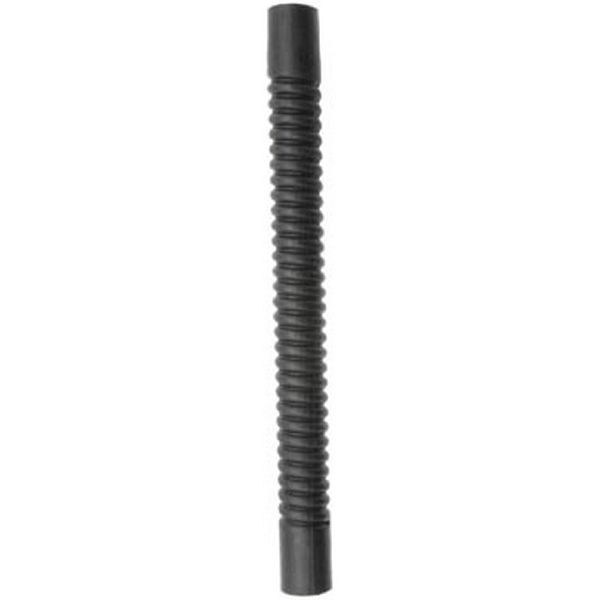
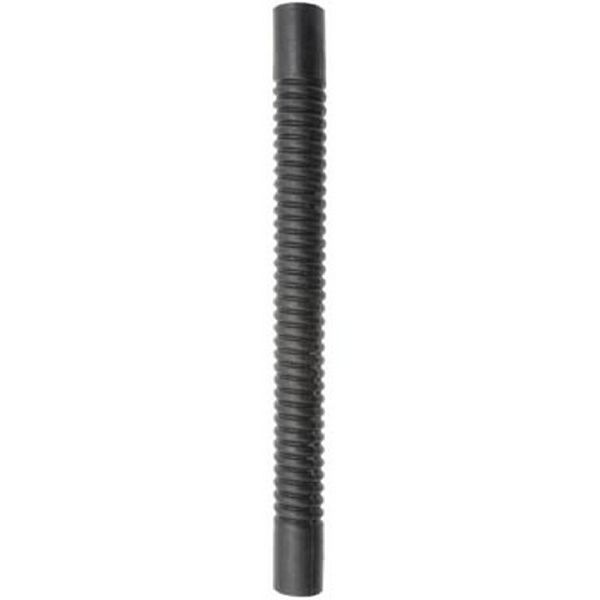
When shopping for new radiator hoses for your Champion, you will find molded and flexible options. Molded hoses are pre-shaped to fit your specific vehicle perfectly, which is the preferred choice. Brands like Gates, Dayco, and Continental are generally considered reliable. While some owners have reported fitment issues with certain aftermarket brands on other vehicles, these are generally dependable choices for classic American cars. Given the simplicity of the Champion's cooling system, a well-made hose from any of these brands should perform well.
Aftermarket Radiator Hose Cost
| Part | Price Range |
|---|---|
| New Aftermarket Radiator Hose | $22.47 - $31.49 |
Known Issues & Recalls
There are no official recalls or technical service bulletins (TSBs) from the NHTSA for radiator coolant hoses on the 1954-1958 Studebaker Champion. The NHTSA's records generally begin in 1966. Any issues you encounter will be due to the age and wear of the original or older replacement parts rather than a specific manufacturing defect.
Frequently Asked Questions
Should I replace both radiator hoses at the same time?
Yes. If one hose has failed due to age, the other is likely in similar condition and will fail soon. It is best practice to replace the upper and lower hoses, as well as any bypass or heater hoses, at the same time to ensure the entire system is reliable.
What type of coolant should I use in my Studebaker Champion?
For a classic vehicle like the Champion, a conventional IAT (Inorganic Additive Technology) antifreeze, often green in color, is the correct choice. Avoid modern long-life coolants like Dex-Cool, as they can be incompatible with the metals in older radiator and engine systems. A 50/50 mix of antifreeze and distilled water is recommended.
Do I need special tools to replace a radiator hose?
No, the job is straightforward. You will need a screwdriver or nut driver for the hose clamps, a drain pan to catch the old coolant, and pliers. Replacing the old-style clamps with new worm-gear or spring-style clamps is highly recommended for a better seal.
What is the difference between a molded and a flexible hose?
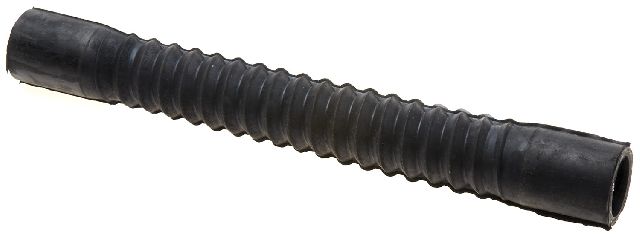
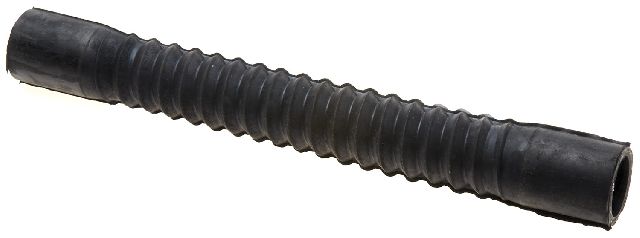
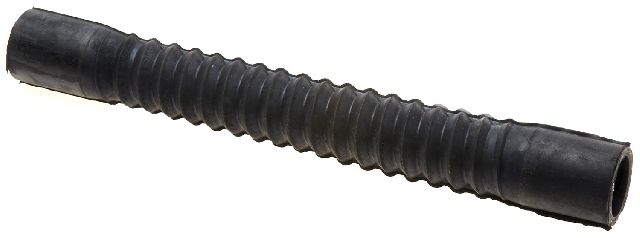
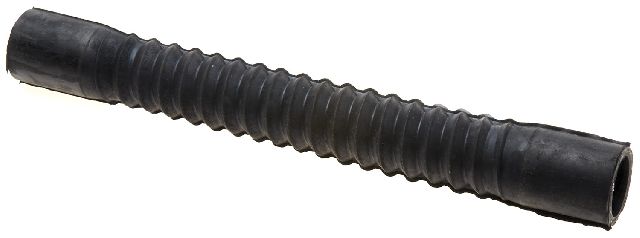
A molded hose is manufactured in the exact shape needed to fit your Champion without kinks or stress. A flexible hose has a corrugated design that can be bent into shape. While a flexible hose can work in a pinch, a molded hose is always the superior choice for a perfect fit and unrestricted coolant flow.
Technical Specifications
OEM Part Numbers: 532431 1552785 1544587
Molded EPDM rubber construction. Designed for upper and lower positions on 6-cylinder Studebaker Champion engines.
We Have This Part in Stock

The information in this article is provided for general reference and educational purposes only. Vehicle specifications, procedures, and part compatibility can vary by production date, trim level, and region. Always consult your vehicle's factory service manual and verify part numbers before purchasing or performing repairs. Safety-critical components such as airbags, seat belts, and braking systems should be installed by a qualified professional.