

A Home Mechanic's Guide to the 1954-1956 Hudson Wasp Universal Joint
That clunking sound or new vibration from your Hudson Wasp could be a worn universal joint asking for attention.
- Confirm the correct part for your year; 1954 models may use different U-joints than 1955-1956 models due to a platform change.
- Listen for symptoms like clunking when shifting or squeaking at low speeds, and address them early to prevent a breakdown.
- Aftermarket brands like GMB and Moog are the standard, affordable replacements for this part.
- If you do the job yourself, consider taking the driveshaft to a shop to have the new joints pressed in to avoid damaging them.
Is Your Hudson Wasp's U-Joint Failing?
A failing U-joint gives clear warning signs. Listening to your car is the first step. The symptoms start small but get worse over time, and ignoring them can lead to a breakdown and damage to other parts.
Common Symptoms:
- Clunking Noise: The most common sign is a loud "clunk" or "bang" when you shift from park into drive or reverse. This is caused by excessive play in the worn-out joint.
- Squeaking or Chirping: You might hear a rhythmic squeak at low speeds (5-10 mph) that matches the rotation of the driveshaft. This is often the first sign that the grease inside the U-joint's needle bearings has dried up.
- Vibrations: As the U-joint wears further, it can cause the driveshaft to become unbalanced, leading to a vibration you can feel throughout the car. This is most noticeable at higher speeds.
- Leaks: In some cases, the excessive movement from a bad U-joint can damage the transmission or differential seals, causing fluid leaks.
Important: Know Your Wasp's Platform
The 1954 Hudson Wasp was built on Hudson's own platform. For 1955 and 1956, after the merger with Nash, the Wasp was built on a Nash platform. This means drivetrain components like the universal joint may be different between a 1954 model and a 1955-1956 model. Always verify the correct part for your specific model year before ordering.
Choosing the Right Aftermarket U-Joint
For a classic car like the 1954-1956 Hudson Wasp, finding new original equipment (OEM) parts is nearly impossible. The market consists of New Old Stock (NOS) parts, which are rare and expensive, and new aftermarket parts. Aftermarket U-joints are the standard for these repairs and offer a reliable and affordable solution.
Brand Options: GMB vs. Moog
Both GMB and Moog are established aftermarket brands with parts available for the Hudson Wasp.
- GMB: GMB is a Japanese manufacturer known for making good quality bearings and U-joints. They are often a supplier to original equipment manufacturers and are considered a solid, reliable choice for replacement parts.
- Moog: Moog has a reputation as a premium aftermarket brand. However, some recent forum discussions among mechanics suggest that the quality can be inconsistent, with some parts being excellent while others don't last as long. For a stock Hudson Wasp, a Moog U-joint is still a very capable option.
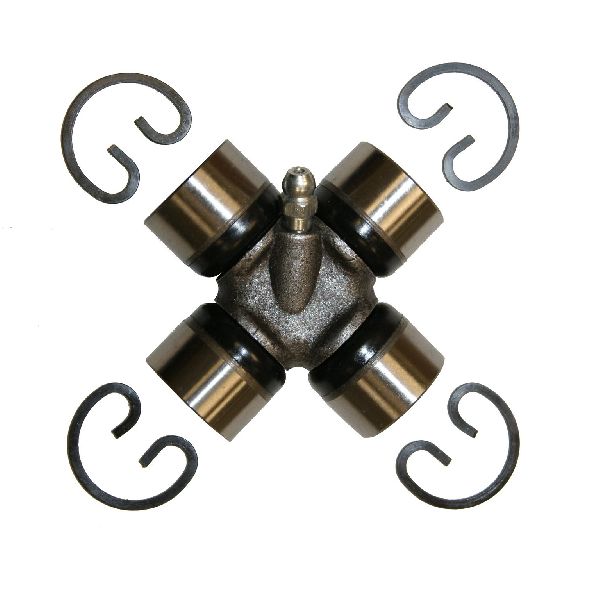
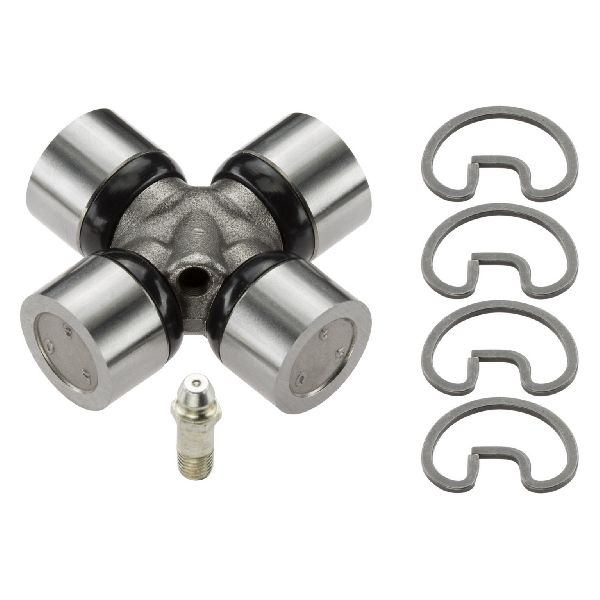
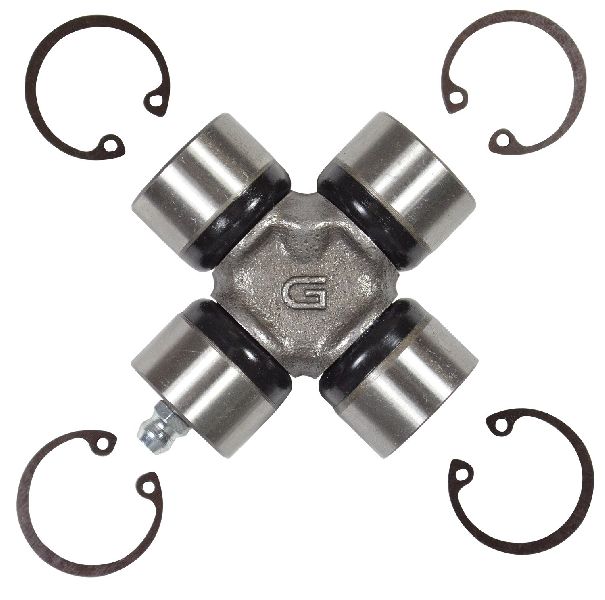
Pro Tip: Many aftermarket U-joints come with a grease fitting (zerk). These are called "greasable" joints. Joints without this fitting are "non-greasable" or sealed for life. For a classic car that you maintain regularly, a greasable joint allows you to add fresh grease periodically, which can extend its life.
U-Joint Replacement Cost for 1954-1956 Hudson Wasp
The cost to replace a U-joint is very reasonable, especially if you can do some of the work yourself. The part itself is inexpensive. The main cost is labor, whether it's your time or a mechanic's.
| Part/Service | Estimated Cost |
|---|---|
| New Aftermarket U-Joint | $17 - $29 |
| Shop Labor | $150 - $350 |
| Total Professional Replacement | $167 - $379 |
Cost estimates are for a single U-joint and may vary by location and shop.
Frequently Asked Questions
Can I replace a U-joint myself?
This job is possible for a home mechanic with the right tools. You will need to safely raise the vehicle and remove the driveshaft. The hardest part is pressing the old joint out of the driveshaft yoke and pressing the new one in without damaging the new needle bearings. This often requires a bench vise, a large C-clamp, or a hydraulic press. If you don't have a press, you can remove the driveshaft yourself and take it to a local auto parts store or machine shop; they can often press the joints for a small fee.
Should I replace both U-joints at the same time?
Yes. If you have the driveshaft removed, it is highly recommended to replace all of its U-joints at once. They have all been subjected to the same amount of wear, and it saves you from having to do the job again in the near future.
Are there any recalls for the Hudson Wasp U-joint?
No. There are no recalls or Technical Service Bulletins (TSBs) on file with the NHTSA for this part on the 1954-1956 Hudson Wasp. The NHTSA's public records generally begin in the mid-1960s.
What happens if a U-joint fails completely?
Total failure is serious. The U-joint will break, and the driveshaft can disconnect from the transmission or axle. This will cause your Wasp to lose all power to the wheels, leaving you stranded. A disconnected, spinning driveshaft can also cause major damage to the underside of your car, including the exhaust, floor pan, and transmission housing.
Technical Specifications
Part numbers can vary by model year. A common aftermarket part number that may fit is Moog 341. Always confirm fitment with the seller for your specific year and model.
We Have This Part in Stock

The information in this article is provided for general reference and educational purposes only. Vehicle specifications, procedures, and part compatibility can vary by production date, trim level, and region. Always consult your vehicle's factory service manual and verify part numbers before purchasing or performing repairs. Safety-critical components such as airbags, seat belts, and braking systems should be installed by a qualified professional.