

Ignition Coil Guide for the 1954 Studebaker 3R38
Keep your classic Studebaker running strong by choosing the right ignition coil for its specific electrical system.
- You must confirm if your truck has a 6-volt or 12-volt electrical system before ordering a coil.
- Modern aftermarket coils from brands like Standard, NGK, or Spectra are the most reliable choice.
- Replacing the ignition coil is a simple DIY job that takes less than 30 minutes.
- For best results, replace the ignition points and condenser at the same time as the coil.
Is Your Studebaker 6-Volt or 12-Volt? This is Critical.
Before buying an ignition coil, you MUST know your truck's electrical system voltage. Most Studebaker trucks made before 1956, including the 1954 3R series, originally came with a 6-volt electrical system. However, many owners have converted their 6-volt trucks to more modern 12-volt systems over the years. Installing a 6-volt coil on a 12-volt system (or vice-versa) will cause it to fail quickly and can damage other ignition components.
Pro Tip: Check your battery. A 6-volt battery has 3 filler caps on top, while a 12-volt battery has 6 caps. This is the easiest way to verify your system's voltage before ordering a new coil.
OEM vs. Aftermarket Coils
Original factory-produced ignition coils for a 1954 Studebaker are no longer manufactured. While you might find a "New Old Stock" (NOS) part online, it could be unreliable after sitting on a shelf for over 70 years. For a dependable driver, a modern aftermarket coil is the best and most reliable choice. Brands like NGK, Spectra, and Standard Ignition produce coils that are readily available and designed with modern materials and manufacturing techniques. For a classic vehicle like the 3R38, a quality aftermarket coil from a reputable brand will provide a strong, reliable spark.
Choosing the Right Aftermarket Brand
For a vehicle from this era, the specific brand is less critical than ensuring you have the correct voltage and resistance specifications. However, some brands have a long-standing reputation.
- Standard Ignition (SMP): A well-respected name in the aftermarket, Standard has been making ignition components for decades and is often a go-to choice for classic American vehicles.
- NGK: While famous for spark plugs, NGK also produces high-quality ignition coils that are considered OEM-level for many manufacturers.
- Spectra Premium: Spectra offers a range of aftermarket parts, including ignition coils that meet OE specifications and provide a cost-effective replacement option.
| Part Type | Price Range |
|---|---|
| New Aftermarket Ignition Coil | $28.62 - $38.58 |
Known Issues & Recalls
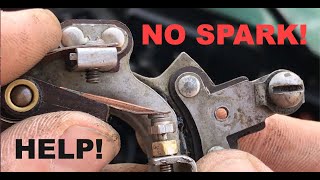
There are no official recalls or Technical Service Bulletins (TSBs) from the National Highway Traffic Safety Administration (NHTSA) for the ignition system on the 1954 Studebaker 3R38. This is normal for a vehicle of this age. Any running issues are typically due to the age of the components rather than a specific design flaw. The most common issue reported by owners in forums is a no-spark condition, which can be caused by a failed coil, but is also frequently related to old wiring, incorrect grounding, or worn-out ignition points and condenser.
Ballast Resistor Warning: Many ignition systems of this era use an external ballast resistor. This is a ceramic block that reduces voltage to the coil during normal operation to prevent it from overheating. Some aftermarket coils have an internal resistor and do not need an external one. Check if your new coil is marked "external resistor required" and ensure your setup is correct to avoid premature coil failure.
Frequently Asked Questions (FAQ)
Is it hard to replace the ignition coil on my Studebaker 3R38?
No, this is a very easy job suitable for a DIY mechanic. It typically involves disconnecting the battery, removing two small primary wires from the coil's terminals, pulling off the main high-tension wire that goes to the distributor, and unbolting the coil from its mounting bracket. The entire job can usually be done in under 30 minutes with basic hand tools.
Should I replace other parts with the ignition coil?
Yes, it is highly recommended. The ignition coil, points, and condenser all work together in the distributor. Since they are all wear items, replacing them at the same time ensures the entire primary ignition circuit is new and reliable. It's an inexpensive way to prevent future starting or running problems.
My truck turns over but won't start. Is it the ignition coil?
It could be, but a "crank, no-start" condition can have several causes. The first step is to check for spark. You can do this by carefully removing a spark plug, reconnecting it to its wire, and holding the plug's metal base against a metal part of the engine while a helper cranks the engine. If you see a spark, your coil is likely working. If there is no spark, the coil, points, condenser, or wiring 🎬 Watch this guide to troubleshooting no-spark issues on vintage ignition systems. between them is the likely culprit.
What is the difference between a 6V and 12V coil?
The main difference is the internal wiring (windings). A 6-volt coil is designed for the lower voltage and higher amperage of a 6V system. A 12-volt coil is designed for a 12V system. Using a 6V coil on a 12V system will cause it to overheat and fail very quickly. Using a 12V coil on a 6V system will produce a very weak spark, making the engine hard to start and run poorly.
Helpful Videos
Technical Specifications
System Voltage: 6-Volt (verify before ordering), Primary Ignition: Distributor with points and condenser, Resistor: May require an external ballast resistor (verify with new part).
We Have This Part in Stock


The information in this article is provided for general reference and educational purposes only. Vehicle specifications, procedures, and part compatibility can vary by production date, trim level, and region. Always consult your vehicle's factory service manual and verify part numbers before purchasing or performing repairs. Safety-critical components such as airbags, seat belts, and braking systems should be installed by a qualified professional.