

1953-1975 Cadillac DeVille Distributor Cap: A Guide to Replacement
Keep your classic DeVille's V8 running smoothly by choosing the right distributor cap for your ignition system.
- Verify if your DeVille has a points-style (pre-1974) or HEI (1974-75) ignition, as the caps are not interchangeable.
- Choose a replacement cap with brass terminals over aluminum for better conductivity and longer life.
- Always replace the distributor rotor at the same time as the cap for a complete ignition tune-up.
- Inspect the cap for cracks and carbon tracks as part of your regular maintenance routine.
Is Your DeVille's Distributor Cap Failing?
A distributor cap is a wear-and-tear item. Over time, the high voltage, heat, and ozone it's exposed to can cause cracks, corrosion, and carbon buildup. When this happens, your engine's performance will suffer. Watch for these common signs.
- Engine Misfires or Rough Idle: The engine may shake, sputter, or run unevenly, especially when stopped at a light. This happens when spark fails to reach a cylinder consistently.
- Hard Starting: The car may take longer than usual to start, or it might crank but not fire up at all. This can be worse in cold or damp weather when moisture gets into a cracked cap.
- Stalling or Backfiring: The engine may stall unexpectedly or you might hear popping sounds from the exhaust. This points to incorrect spark timing caused by a faulty cap.
- Hesitation on Acceleration: When you press the gas, the car may stumble or lack power.
- Visible Damage: A visual inspection is often the best diagnosis. Look for cracks in the plastic, white or greenish corrosion on the metal terminals, or thin black lines (carbon tracks) on the inside of the cap.
Pro Tip: Points vs. HEI Ignition
The most common mistake when ordering this part is buying the wrong type. Your 1953-1975 DeVille has one of two ignition systems:
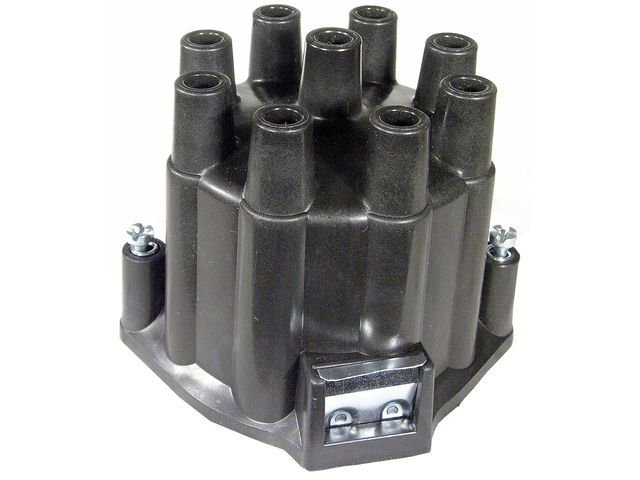
- Points-Style (approx. 1953-1973): Uses a smaller distributor cap, typically held on by two metal clips. It works with an ignition coil located separately on the engine.
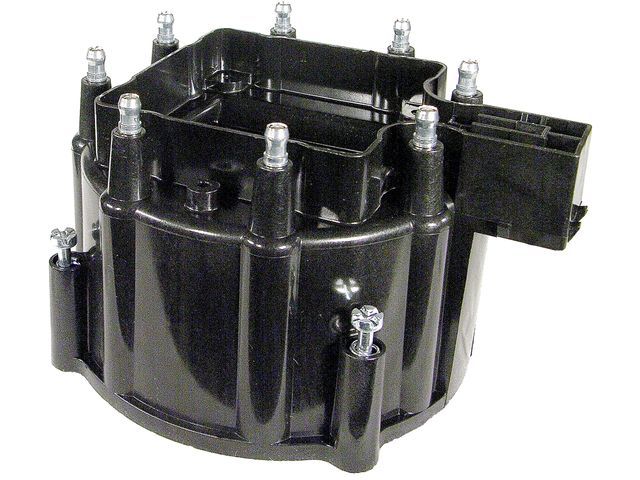
- High Energy Ignition (HEI) (approx. 1974-1975): Uses a much larger distributor cap, usually held on by four screws. The ignition coil is built directly into the center of this cap.
Always verify which system your car has before ordering. They are not interchangeable.
Choosing the Right Aftermarket Distributor Cap
For a vehicle of this age, new original equipment (OEM) parts from GM are generally not available. The market consists of New Old Stock (NOS) parts, which are rare and expensive, and aftermarket parts. Aftermarket brands offer good quality and are the most practical choice for nearly all owners.
Brand Quality Tiers
When shopping, you'll find different brands at different price points. The key difference is often the material used for the electrical contacts (terminals).
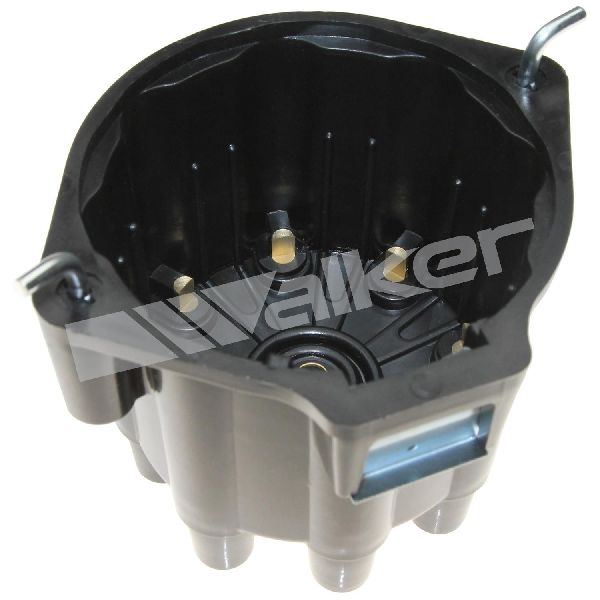
- Good (Economy): Brands like Walker Products offer a cost-effective solution. These caps will restore function but may use aluminum terminals, which can corrode faster than brass. They are a suitable choice for a budget-friendly tune-up.
- Better (Standard Replacement): Brands such as Standard Ignition (Standard Motor Products) are well-regarded in the industry. Look for their versions with brass terminals, which offer better conductivity and corrosion resistance for longer life.
- Best (Premium Aftermarket): ACDelco is the original parts supplier for General Motors and is considered the benchmark for quality and fit. An ACDelco Professional series cap provides performance and dependability you can trust, making it an excellent choice for a restoration or for maximum reliability.
| Part Type | Estimated Cost | Notes |
|---|---|---|
| New Aftermarket | $21.46 - $39.50 | This is the most common and practical option. Price varies by brand and terminal material (aluminum vs. brass). |
| New OEM (NOS) | $75 - $200+ | "New Old Stock" parts are original but have been sitting on a shelf for decades. They are rare, expensive, and not necessary for most owners. |
| Shop Labor | $50 - $100 | Expect 0.5 to 1 hour of labor at an independent shop. This is a simple job for any experienced mechanic. |
Frequently Asked Questions
Can I replace the distributor cap myself?
Yes, this is a very DIY-friendly job for a beginner. The only tools needed are typically a screwdriver or nut driver. The key is to transfer the spark plug wires from the old cap to the new cap one at a time to ensure the firing order remains correct. Also, replace the distributor rotor at the same time; it's located directly under the cap and is just as important.
How often should the distributor cap be replaced?
Distributor caps and rotors are maintenance items. They should be inspected during every major tune-up and replaced if you see any signs of wear like cracks, corrosion, or carbon tracking. For a classic car that isn't driven daily, a good rule of thumb is to replace them every 20,000-30,000 miles or every few years as part of preventative maintenance.
What's the difference between brass and aluminum terminals?
Brass is a superior conductor of electricity and is much more resistant to corrosion than aluminum. Caps with brass terminals generally last longer and provide a more consistent spark. While they may cost a few dollars more, they are the recommended choice for reliability, especially in a classic Cadillac.
Are there any recalls on the DeVille distributor cap?
No, there are no active or historical recalls or Technical Service Bulletins (TSBs) from the NHTSA specifically for the distributor cap on 1953-1975 Cadillac DeVille models. Any issues are related to normal wear and tear.
Technical Specifications
OEM Part Numbers: D336X DR-429 DC-429X
Varies by ignition type. Points-style caps are typically secured with clips and use an external coil. HEI-style caps are larger, secured with screws, and have an integrated ignition coil.
We Have This Part in Stock


The information in this article is provided for general reference and educational purposes only. Vehicle specifications, procedures, and part compatibility can vary by production date, trim level, and region. Always consult your vehicle's factory service manual and verify part numbers before purchasing or performing repairs. Safety-critical components such as airbags, seat belts, and braking systems should be installed by a qualified professional.