

Accessory Drive Belt Guide for the 1953-1954 Packard Cavalier
Keep your classic Packard's engine running cool and charging properly with the right V-belts.
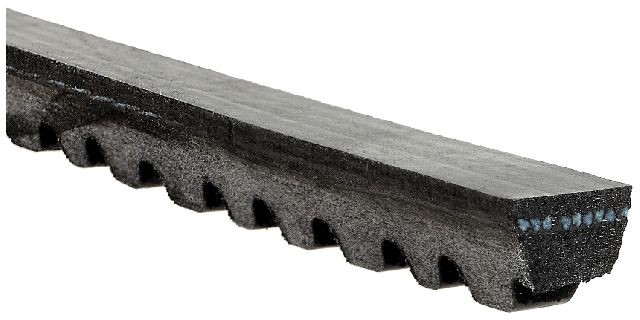
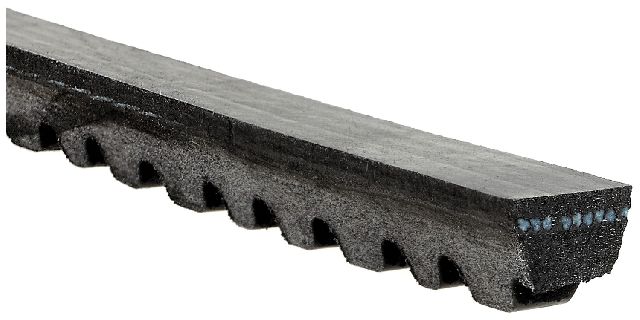
- Your Packard uses multiple V-belts; inspect all of them and identify how many your specific car needs before ordering.
- Always choose new aftermarket belts from brands like Gates or Continental; their modern materials are far superior and safer than old original stock.
- A broken belt for the water pump will cause the engine to overheat very quickly, potentially causing major damage.
- Squealing is a sign of slipping and should be addressed immediately by checking belt tension and condition to prevent a breakdown.
Signs of a Failing Accessory Drive Belt
A worn or failing V-belt on your Packard will give you clear warning signs. Ignoring them can lead to a breakdown and potential engine damage from overheating. Be alert for these symptoms:
- Squealing Noises: A high-pitched squeal is the most common sign of a problem. This noise, often worse when you start the engine or accelerate, is caused by the belt slipping on the pulleys because it's loose, worn out, or contaminated with fluid.
- Visible Wear and Tear: Open the hood and inspect the belts. Look for cracks, fraying, missing chunks, or splits in the rubber. The sides of the belt might also look shiny or “glazed,” which means the rubber has hardened and can no longer grip the pulleys effectively.
- Accessory Malfunctions: If your "GEN" (generator) light comes on, your temperature gauge starts climbing rapidly, or your power steering becomes heavy, a belt may have failed. Each accessory is powered by a belt, and if that belt breaks, the accessory stops working.
Choosing the Right Aftermarket Belt
For a classic vehicle like the Packard Cavalier, choosing a new aftermarket belt is the best and safest option. You may find "New Old Stock" (NOS) original belts, but these are not recommended. The rubber in a belt degrades significantly over decades, even in storage, making an old belt brittle and unreliable.
Modern belts from reputable brands like Continental and Gates are made with advanced EPDM rubber compounds. This material is far more resistant to heat, oil, and cracking than the original-style neoprene belts from the 1950s. These brands are well-regarded in the classic car community for their quality and durability.
Pro Tip: Check Your Pulleys
When replacing your belts, inspect the pulleys for any damage, nicks, or grime built up in the grooves. A damaged pulley can quickly destroy a new belt. Also, ensure the pulleys for each accessory are properly aligned to prevent premature belt wear.
Cost for a New Aftermarket Accessory Drive Belt
The cost is for a single belt. Remember that your Packard has multiple belts that should be inspected and potentially replaced at the same time.
| Part Type | Price Range (Per Belt) |
|---|---|
| New Aftermarket Belts | $7.33 - $28.15 |
| Shop Labor | $75 - $150 |
Frequently Asked Questions
How many belts does my 1953-1954 Packard Cavalier have?
It depends on your car's options. At a minimum, you will have a belt for the generator and water pump/fan. If your Cavalier is equipped with power steering, you will have at least one additional belt. The best way to know for sure is to visually inspect your engine to count the belts.
Are modern aftermarket belts really better than original Packard belts?
Yes, absolutely. Modern belts from brands like Gates and Continental are made from EPDM rubber compounds that are far more resistant to heat, oil, and cracking than the materials used in the 1950s. A new aftermarket belt will significantly outperform and outlast a 70-year-old original belt.
How do I find the right size belt for my car?
The best way is to find the part number on your existing belts, but they may be worn off. The next best option is to carefully measure the outside length and top width of the old belt. Packard forums like PackardInfo.com can be a valuable resource, as other owners may have already found the correct modern part numbers for different accessory combinations. For example, the Gates 7455 is a known cross-reference for the power steering belt on some 1951-1954 models.
My new belt is squealing. What did I do wrong?
A new belt that squeals is almost always due to improper tension. If it's too loose, it will slip. If it's too tight, it can damage the bearings in your generator or water pump. A good rule of thumb is to press on the belt at the midpoint of its longest run; it should deflect about 1/2 inch with firm pressure. Squealing can also be caused by oil or other fluids on the pulleys, or pulley misalignment.
Technical Specifications
System uses multiple V-belts. Belt width and length vary by year and factory-installed options like power steering. For example, the Gates 7455 belt is a known replacement for the power steering pump on some 1951-1954 models. Always verify the correct size for your specific vehicle configuration.
We Have This Part in Stock

The information in this article is provided for general reference and educational purposes only. Vehicle specifications, procedures, and part compatibility can vary by production date, trim level, and region. Always consult your vehicle's factory service manual and verify part numbers before purchasing or performing repairs. Safety-critical components such as airbags, seat belts, and braking systems should be installed by a qualified professional.