

Engine Coolant Thermostat Guide for the 1953 Dodge B-4 Truck
Keeping your classic Dodge B-4's flathead engine at the right temperature starts with a reliable thermostat.
- A bad thermostat can cause overheating (stuck closed) or poor performance (stuck open).
- If your truck still overheats after replacing the thermostat, inspect the internal water distribution tube, a known failure point on these flathead engines.
- Choose a quality aftermarket brand like Gates or Motorad; test the new part in hot water before installation.
- This is a simple, low-cost DIY repair that most owners can perform in under an hour.
Is Your Dodge B-4 Overheating? It Might Be the Thermostat.
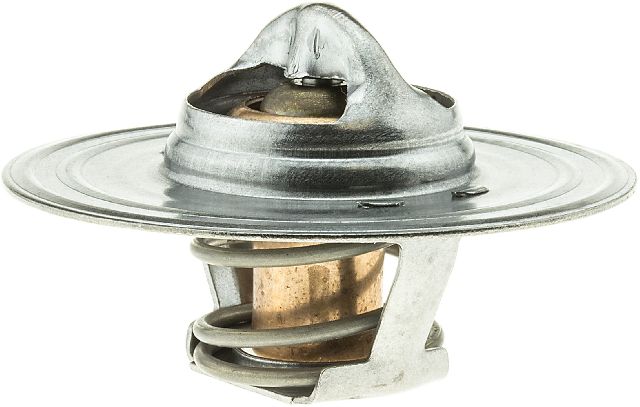
The thermostat is a critical part of your truck's cooling system. It is designed to fail, and because of the age of your classic truck, it's a common point of failure. When it fails, it can either get stuck open or stuck closed. If it's stuck open, your engine will take a very long time to warm up, run poorly, and have poor fuel economy. If it's stuck closed, coolant can't get to the radiator, and the engine will quickly overheat, which can cause serious damage.
Common Symptoms of a Bad Thermostat
- Engine Overheating: The temperature gauge climbs into the red shortly after starting the engine. This is the most serious symptom.
- Erratic Temperature Changes: The temperature gauge needle fluctuates wildly or sits much lower than normal.
- Poor Heater Performance: If the thermostat is stuck open, the engine may not get hot enough to provide warm air to the cabin heater.
- Coolant Leaks: A failed thermostat can sometimes cause coolant to leak from the thermostat housing gasket, which is located where the upper radiator hose connects to the engine.
A Critical Note for Flathead Engine Owners
These Dodge trucks use a flathead six-cylinder engine, which has a known weak point that can mimic a bad thermostat. Inside the engine block is a long metal water distribution tube that directs coolant to the back cylinders. Over many decades, this tube can rust and fall apart, causing the rear of the engine to overheat while the front stays cool. If you replace your thermostat and still have overheating issues, this tube is the likely culprit and requires a more involved repair.
Choosing the Right Aftermarket Thermostat
For a 1953 vehicle, new original equipment (OEM) parts are not available. Your only choice is a new aftermarket part, which is perfectly acceptable and the standard for these trucks. The key is choosing a quality brand and the correct temperature rating.
| Brand Tier | Brands | Quality & Notes |
|---|---|---|
| Standard / OE Replacement | Gates, Motorad | Both are major suppliers of thermostats. Motorad manufactures thermostats for many brands, so you may find a Motorad part in a Gates box. They are generally reliable for daily driving. Motorad also offers a "Fail-Safe" thermostat designed to lock in the open position if it fails, preventing a catastrophic overheating event. |
| Performance | Edelbrock | While Edelbrock is a well-known performance brand, they do not typically offer standard replacement thermostats for the original flathead engine in this truck. Their products are more suited for engine swaps or significant performance upgrades. |
Pro Tip: Test Before You Install
Even new thermostats can be faulty out of the box. Before installing, test your new thermostat by suspending it in a pot of water on the stove with a thermometer. Watch to see that it opens as the water heats up to the part's rated temperature (e.g., 160°F or 180°F). This simple step can save you from having to do the job twice.
Aftermarket Engine Coolant Thermostat Cost for 1953 Dodge B-4
| Part/Service | Estimated Cost |
|---|---|
| New Aftermarket Thermostat (Gates, Motorad) | $7.93 - $26.61 |
| Shop Labor for Installation | $75 - $150 |
Frequently Asked Questions (FAQ)
What temperature thermostat should I use, 160°F or 180°F?
Both 160°F and 180°F thermostats are commonly used. A 160°F thermostat will run the engine cooler, which some owners prefer in hot climates or if the radiator is not 100% efficient. A 180°F thermostat allows the engine to reach a more modern operating temperature, which can improve efficiency and help burn off moisture and contaminants in the oil. For most stock trucks in moderate climates, a 180°F thermostat is a good choice.
Can I just remove the thermostat?
No. Running without a thermostat will cause the engine to warm up very slowly and run too cool, leading to increased engine wear, sludge buildup, and poor performance. In some cases, it can also cause coolant to flow through the radiator too quickly to cool effectively, ironically leading to overheating.
Is replacing the thermostat a DIY job?
Yes, this is a very easy job for a DIY mechanic. It typically involves draining a small amount of coolant, removing two bolts from the thermostat housing (the "gooseneck" where the top radiator hose connects to the engine), swapping the old thermostat and gasket for the new ones, and bolting it back together. The entire process usually takes less than an hour.
Are there any recalls for the cooling system on this truck?
No. There are no recalls or Technical Service Bulletins (TSBs) from the National Highway Traffic Safety Administration (NHTSA) for the 1953 Dodge B-4's cooling system. This is expected for a vehicle of this vintage.
Technical Specifications
Common temperature ratings are 160°F and 180°F. A new gasket is required for installation.
We Have This Part in Stock


The information in this article is provided for general reference and educational purposes only. Vehicle specifications, procedures, and part compatibility can vary by production date, trim level, and region. Always consult your vehicle's factory service manual and verify part numbers before purchasing or performing repairs. Safety-critical components such as airbags, seat belts, and braking systems should be installed by a qualified professional.