

Accessory Drive Belt Guide for the 1952-1961 Ford Ranch Wagon
Keep your classic Ford's generator, water pump, and accessories running with the right V-belt.
- Your Ranch Wagon uses one or more V-belts, not a single serpentine belt; you must verify the correct size and count for your specific engine and accessories.
- Squealing noises, visible cracks, a rising temperature gauge, or a battery warning light are all signs that a belt needs immediate attention.
- Modern aftermarket belts from brands like Gates, Dayco, and Continental are superior in quality and durability to original 1950s parts.
- Proper belt tension is critical; a common rule is allowing for about a half-inch of movement at the belt's longest point.
Understanding the V-Belt System in Your Ranch Wagon
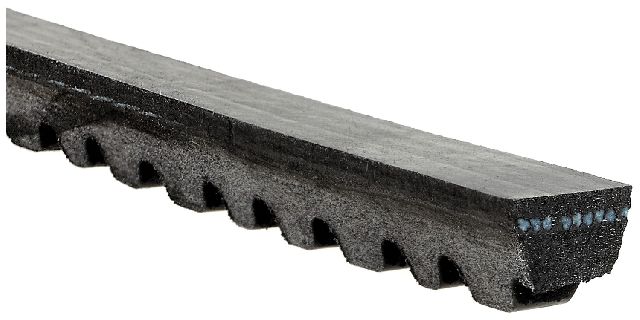
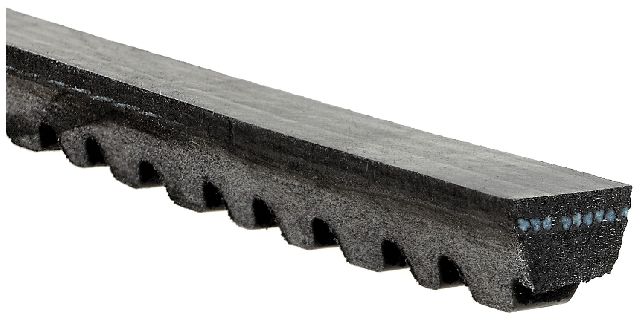
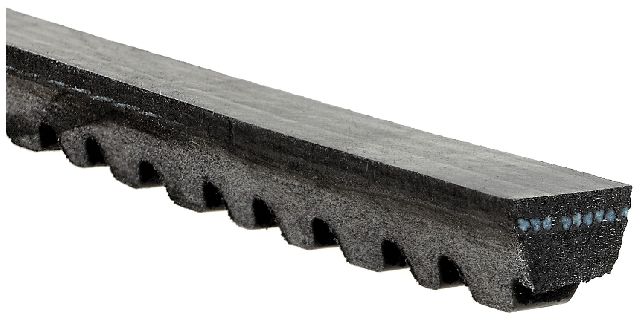
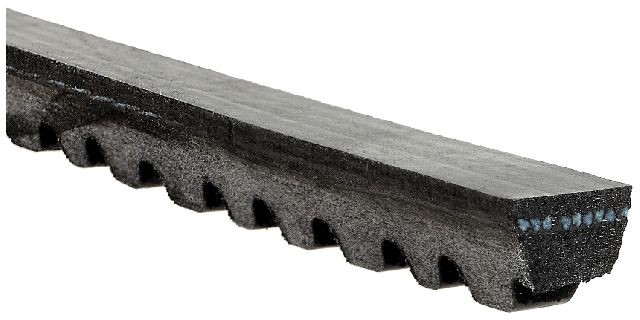
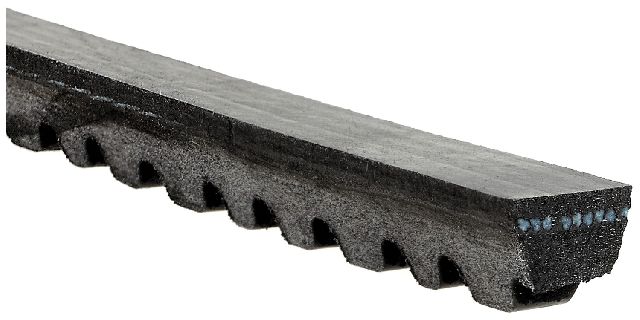
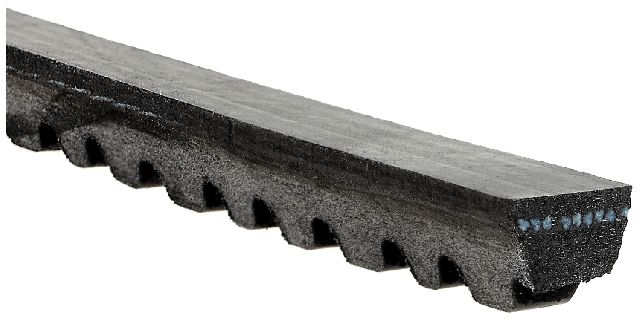
Your 1952-1961 Ford Ranch Wagon comes from the era of V-belts. This means it has one or more individual belts, often called fan belts or generator belts, running your car's accessories. The exact number and size of the belts depend on the engine (inline-6 or V8) and what options, like power steering, were installed at the factory. Because these belts are made of rubber, they dry out, crack, and wear down from heat and age. Regular inspection is the key to preventing a breakdown.
Symptoms of a Failing Accessory Drive Belt
A V-belt will almost always give you a warning before it snaps. Being stranded by a broken belt is avoidable if you watch for these signs:
- Squealing Noises: A high-pitched squeal when you start the engine, accelerate, or make a sharp turn is the most common symptom. This sound is caused by the belt slipping on the pulleys because it's loose or worn out.
- Visible Wear and Tear: Look at the belts. If you see cracks, frayed edges, missing chunks, or a shiny, smooth surface (glazing), the belt is old and needs to be replaced immediately.
- Charging or Overheating Issues: If the "GEN" or "AMP" light on your dashboard flickers or stays on, the belt driving the generator is likely slipping or broken. If your engine temperature gauge starts to climb, the belt that turns the water pump has probably failed, and you should pull over immediately to prevent engine damage.
Do Not Drive with a Broken Belt
If a belt breaks, the water pump will stop circulating coolant, leading to rapid engine overheating and severe damage. You will also lose the ability to charge the battery. It is not safe to drive the vehicle.
Choosing the Right Aftermarket Belt
Original Ford-branded belts for a vehicle this age are not a practical option. Modern aftermarket belts are made from superior EPDM rubber compounds that last longer and resist heat and oil much better than original 1950s parts. Brands like Gates, Continental, and Dayco are all excellent choices.
Pro Tip: Verify Your Belt Size
The 1952-1961 Ranch Wagon came with several engine options, including the "Mileage Maker" six-cylinder, the flathead V8, and the newer Y-block V8. These different engines, along with accessories, use different belt lengths. The most reliable way to get the right part is to measure your old belt or find a part number on it. Matching the old belt at the parts store is a time-tested method.
Brand Quality Tiers
- Premium (Gates, Continental): Gates is a highly respected American brand, and their V-belts are considered a top choice by many classic car owners. Continental (also sold as Contitech) is a German brand known for making high-quality OEM belts for many car manufacturers. You can't go wrong with either of these for reliability.
- Standard (Dayco): Dayco is another long-standing American brand that produces reliable and durable V-belts. Their "Top Cog" belts are a popular choice that helps with flexibility and cooling. They offer a great balance of quality and price.
Cost to Replace a Ford Ranch Wagon Accessory Drive Belt
| Part/Service | Estimated Cost |
|---|---|
| New Aftermarket Belt | $2.60 - $40.77 |
| Shop Labor | $50 - $100 |
Frequently Asked Questions
Why is my new belt squealing?
A new belt usually squeals because it isn't tensioned correctly. It should be tight enough not to slip, but not so tight that it damages the bearings in the generator or water pump. Squealing can also be caused by oil or coolant on the pulleys. Always clean the pulleys before installing a new belt.
How many belts does my Ranch Wagon have?
It depends on the engine and accessories. A base model might have only one belt for the fan, generator, and water pump. A V8 model with power steering could have two or more separate V-belts. You must inspect your specific vehicle to know for sure.
How do I check belt tension?
On a V-belt system, a good rule of thumb is to press down on the belt at the longest point between two pulleys. You should be able to push it down about half an inch. If it moves more, it's too loose; if it barely moves, it's too tight.
Are there any recalls for my Ranch Wagon's belts?
No. There are no recalls or Technical Service Bulletins (TSBs) from the NHTSA for accessory drive belts on the 1952-1961 Ford Ranch Wagon. This is normal for vehicles from this era.
Technical Specifications
The accessory drive system uses one or more V-belts. The exact length, width, and V-angle of the belt(s) depend on the engine (inline-6 or V8) and factory-installed options like power steering. Measurement of the old belt is the most reliable method for finding a replacement.
We Have This Part in Stock

The information in this article is provided for general reference and educational purposes only. Vehicle specifications, procedures, and part compatibility can vary by production date, trim level, and region. Always consult your vehicle's factory service manual and verify part numbers before purchasing or performing repairs. Safety-critical components such as airbags, seat belts, and braking systems should be installed by a qualified professional.