

Engine Coolant Thermostat Guide for the 1952-1961 Chrysler Windsor
Keep your classic Windsor's engine temperature in check by understanding, diagnosing, and choosing the right thermostat.
- A thermostat fails either stuck open (engine runs too cool) or stuck closed (engine overheats). Overheating is a critical failure that can destroy the engine.
- For this vehicle, new aftermarket parts are the standard. Brands like Gates and Motorad are reliable standard replacements.
- Always replace the gasket with the thermostat. It's also a good time to inspect your radiator hoses for wear.
- There are no recalls or modern TSBs for this part; failures are due to normal aging.
Understanding Thermostat Failure in Your Classic Chrysler
The cooling system in a vintage car like the 1952-1961 Chrysler Windsor is crucial. A thermostat usually fails in one of two ways: it gets stuck open or stuck closed. Both situations can cause problems for your Windsor's Flathead or Spitfire V8 engine.
- Stuck Closed: This is the most serious type of failure. A thermostat that is stuck closed traps coolant in the engine and won't let it go to the radiator to cool down. This will cause the engine to overheat very quickly. Signs include the temperature gauge needle shooting into the red, steam coming from under the hood, or the smell of hot coolant. This can cause expensive damage, like a blown head gasket or warped cylinder heads.
- Stuck Open: This is less dangerous but still a problem. A thermostat stuck in the open position allows coolant to flow to the radiator all the time. This makes it hard for your engine to warm up properly, especially in cool weather. You might notice the temperature gauge always stays low, the heater doesn't blow hot air, and your fuel mileage gets worse.
Aftermarket Thermostat Cost: 1952-1961 Chrysler Windsor
| Brand Tier | Brands | Estimated Price |
|---|---|---|
| Standard Replacement | Gates, Motorad | $7.93 - $15.00 |
| Performance / Heavy-Duty | Edelbrock, Mr Gasket | $18.00 - $26.61 |
Choosing the Right Aftermarket Thermostat
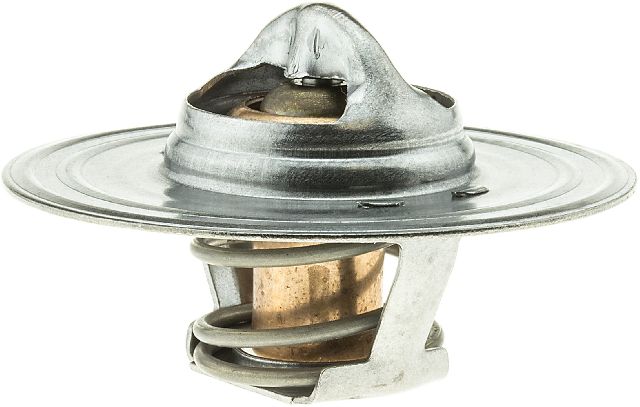
For a classic vehicle like the Windsor, finding a new original equipment (OEM) part from Chrysler is nearly impossible. The market today consists of "New Old Stock" (NOS) parts and modern aftermarket replacements. NOS parts can be unreliable after sitting on a shelf for decades. For this reason, a new aftermarket thermostat is the standard and most reliable choice for keeping your classic on the road.
- Motorad: Motorad is a huge manufacturer that makes thermostats for many different brands. They are a common, budget-friendly, and standard replacement option that meets original specifications.
- Gates: Gates is a well-known and trusted name in the auto parts world, especially for cooling system components. Like Motorad, they provide a reliable, standard replacement thermostat.
- Mr. Gasket & Edelbrock: These brands are known for performance parts. Their thermostats may be designed for higher flow or offer different temperature ratings. These are a good choice if you have a modified engine or specific cooling needs, but for a stock engine, a standard replacement is usually sufficient.
Pro Tip: Before you install a new thermostat, it's a good habit to test it. Place the thermostat in a pot of water on the stove and heat it up. Watch to see that it opens as the water gets hot and closes as it cools. This simple check can save you from installing a faulty part.
Known Issues, Recalls, or TSBs
There are no active recalls or technical service bulletins (TSBs) from the NHTSA for the engine coolant thermostat on a 1952-1961 Chrysler Windsor. The government's recall system does not extend back to this period for this type of component. Any issues you encounter will be due to age and normal wear rather than a manufacturing defect. Some owners have reported overheating issues, which can sometimes be incorrectly blamed on the thermostat when the real cause is a clogged radiator or other cooling system problem.
Frequently Asked Questions (FAQ)
What temperature thermostat should I use for my Chrysler Windsor?
For a stock engine in most climates, a 180°F thermostat is the standard and recommended temperature, as seen in listings for these vehicles. Using a thermostat with a lower temperature rating will cause the engine to run cooler, which can decrease efficiency. A higher temperature rating can be used in some performance applications but may reduce the safety margin against overheating.
Should I replace anything else when I replace my thermostat?
Yes. You should always use a new thermostat housing gasket. It's also a perfect time to inspect the radiator hoses. If they feel brittle, mushy, or are swollen, you should replace them. Check the condition of the thermostat housing itself for corrosion or pitting that could cause a leak.
My car was running without a thermostat. Is that okay?
No, this is not recommended. Some people remove the thermostat to try and fix an overheating problem, but this only masks the real issue. Running without a thermostat will cause the engine to warm up very slowly and likely never reach its proper operating temperature, leading to poor performance, bad fuel economy, and increased engine wear.
Is it hard to replace the thermostat myself?
No, this is a great DIY job for a beginner. The thermostat is usually located at the front of the engine where the top radiator hose connects to the engine block. The process involves draining some coolant, unbolting the housing, swapping the part and gasket, and then refilling the coolant. It is considered a simple job that can be done with basic hand tools in about an hour.
Technical Specifications
Standard Temperature: 180°F
We Have This Part in Stock


The information in this article is provided for general reference and educational purposes only. Vehicle specifications, procedures, and part compatibility can vary by production date, trim level, and region. Always consult your vehicle's factory service manual and verify part numbers before purchasing or performing repairs. Safety-critical components such as airbags, seat belts, and braking systems should be installed by a qualified professional.