

1952-1960 Ford Sunliner Radiator Coolant Hose Replacement Guide
Keep your classic Sunliner's engine cool and prevent breakdowns with the right radiator hoses.
- Modern aftermarket hoses from brands like Gates, Dayco, or Continental are superior to any available original parts due to material advancements.
- Always replace hoses in pairs (upper and lower) and use new hose clamps to ensure a reliable repair.
- Choose molded hoses designed for your Sunliner's specific year and engine; avoid universal flex hoses.
- Inspect hoses annually for cracks, swelling, or soft spots, and plan to replace them every 4-5 years as preventative maintenance.
Signs of a Failing Radiator Hose
On a classic car like the Sunliner, rubber parts are often the first to fail due to age. Radiator hoses are exposed to constant heat, pressure, and chemical exposure. Modern aftermarket hoses are made with materials like EPDM rubber that are far more durable than the original 1950s parts. Inspect your hoses regularly for these signs of failure:
- Coolant Leaks: Puddles of green or yellow fluid under the front of your car are a clear sign of a leak. You might also notice a sweet smell after driving. Leaks can come from small cracks in the hose or a poor seal at the clamp.
- Visible Damage: Look for cracks, splits, or hardening on the hose surface. Pay close attention to the ends near the clamps.
- Bulging or Swelling: A swollen or bulging hose indicates that its internal structure is failing. This hose is at high risk of bursting and should be replaced immediately.
- Spongy or Soft Feel: When the engine is cool, squeeze the hoses. They should feel firm. If a hose feels mushy or overly soft, it is deteriorating from the inside out.
Don't Ignore a Bad Hose
A burst radiator hose can cause your engine to lose coolant rapidly, leading to severe overheating. This can result in catastrophic damage like warped cylinder heads or a cracked engine block. This is not a repair to postpone.
Choosing the Right Aftermarket Hose
For a 1952-1960 Sunliner, new aftermarket hoses are the only practical and reliable choice. Original "New Old Stock" (NOS) Ford hoses would be over 60 years old, and the rubber would be too brittle and degraded to be trustworthy. Modern hoses from reputable brands offer superior technology and durability.
| Brand | Known For | Price Tier |
|---|---|---|
| Gates | Often considered a top choice for fit and quality. Excellent reputation in classic car communities for accurate cataloging and durable materials. | Mid to High |
| Dayco | A strong competitor to Gates, known for producing quality, durable hoses. Some owners report Dayco hoses are slightly thicker. | Mid |
| Continental | Another high-quality manufacturer with a long history of producing reliable rubber automotive components. | Mid to High |
Molded vs. Universal Hoses
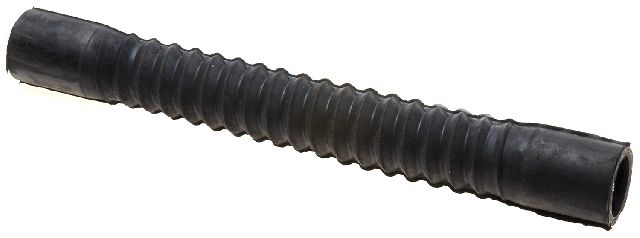
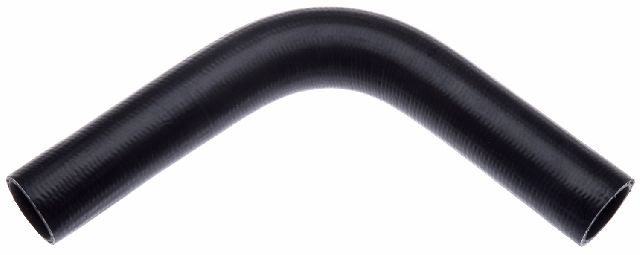
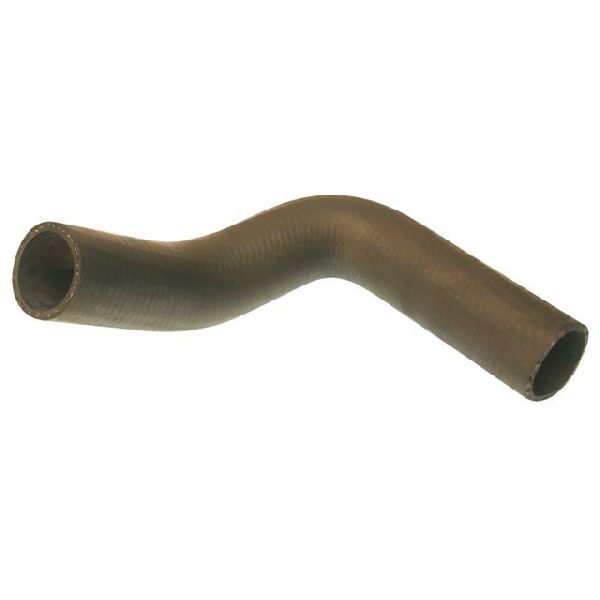
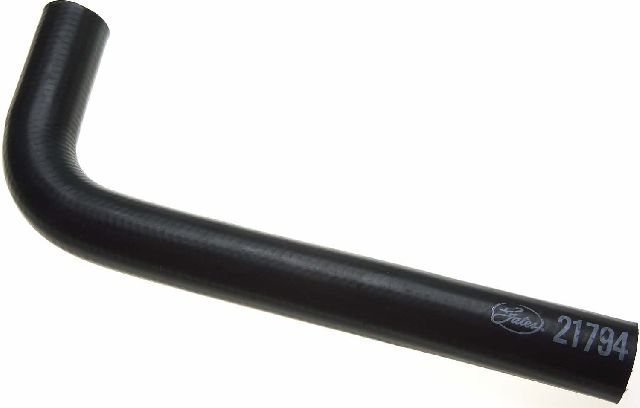
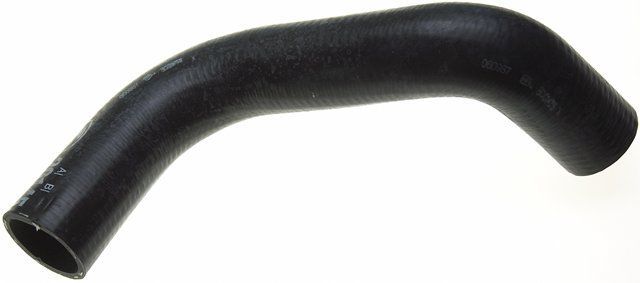
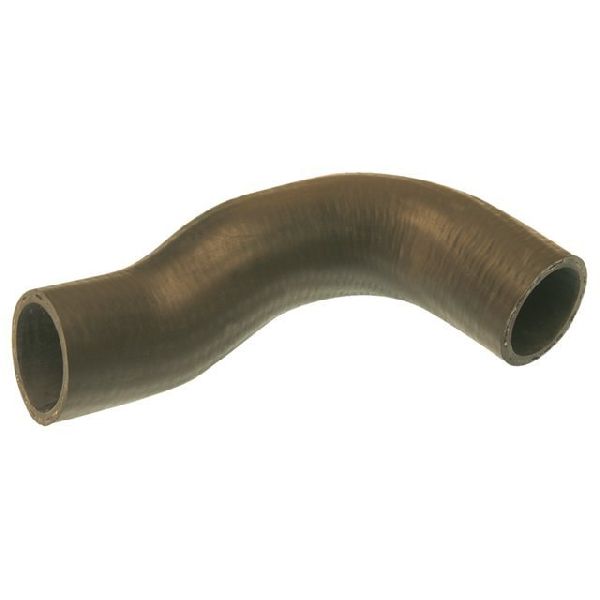
Always choose a "molded" hose specifically listed for your Sunliner's year and engine. Universal or flexible "accordion-style" hoses can kink, restrict coolant flow, and are more prone to failure. While some molded aftermarket hoses may require minor trimming for a perfect fit, they are the correct choice for a reliable installation.
Frequently Asked Questions (FAQ)
If one hose is bad, should I replace both?
Yes. If the upper hose has failed, the lower hose has been exposed to the same age, heat, and conditions. It is wise and cost-effective to replace both the upper and lower hoses at the same time to prevent a future breakdown.
Can I reuse my original hose clamps?
While you can reuse the original wire-style clamps if they are in perfect condition, it is highly recommended to use new, high-quality worm-gear or spring-style clamps. New clamps provide more consistent sealing pressure on the new hose and are less likely to cause damage.
How often should I replace my Sunliner's radiator hoses?
For a classic car that isn't a daily driver, a good rule is to inspect the hoses annually and plan to replace them every 4 to 5 years as a preventative measure, regardless of mileage. Rubber degrades over time even when the car is parked.
Why is my new aftermarket hose slightly longer than the old one?
Some aftermarket manufacturers design hoses to fit a few similar vehicle applications. This may require you to carefully trim a small amount off the end for a perfect fit. Always compare the new hose to the old one before installing and trim as needed.
Technical Specifications
Hoses for the 1952-1960 Ford Sunliner are specific to the upper or lower position and the engine type (I-6 or V8). Aftermarket parts are designed as direct-fit replacements, though some may require trimming to length. Materials are typically EPDM rubber, engineered to resist heat, ozone, and chemical degradation.
We Have This Part in Stock

The information in this article is provided for general reference and educational purposes only. Vehicle specifications, procedures, and part compatibility can vary by production date, trim level, and region. Always consult your vehicle's factory service manual and verify part numbers before purchasing or performing repairs. Safety-critical components such as airbags, seat belts, and braking systems should be installed by a qualified professional.