

A Home Mechanic's Guide to the 1952-1959 Lincoln Capri Universal Joint
Don't let a bad U-joint leave your classic Lincoln stranded—here's what you need to know.
- Symptoms like clunking, squeaking, and vibrations are serious warnings of U-joint failure.
- A complete failure can cause the driveshaft to detach, leading to a dangerous situation and expensive damage.
- For reliability and strength, choose a premium non-greaseable U-joint from a brand like Dana Spicer.
- While the part is inexpensive, replacement can be labor-intensive. It's wise to replace both rear U-joints at the same time.
Symptoms of a Failing Universal Joint
A worn U-joint gives several warning signs. Ignoring them can lead to the driveshaft detaching from the car, causing major damage and a dangerous loss of control. Listen and feel for these symptoms:
- Clunking or Ringing Noise: A loud "clunk" when you shift into Drive or Reverse is a classic sign. This is the sound of excessive play in a worn-out joint.
- Squeaking at Low Speeds: A rhythmic squeaking or chirping noise when you first start moving (under 10 mph) often points to a dry, failing U-joint bearing. The noise happens because the grease is gone and metal is grinding on metal.
- Vibrations at Highway Speeds: A vibration you can feel through the floor or seats that gets worse as you drive faster is a serious symptom. This means the U-joint is worn enough to throw the entire driveshaft out of balance.
- Visible Rust or Looseness: If you look under the car, you might see rust-colored dust around the U-joint caps. You can also put the car in neutral (with wheels chocked for safety) and try to twist the driveshaft by hand. Any noticeable play or movement in the joints means they need replacement.
Choosing the Right Aftermarket U-Joint
For a classic car like the 1952-1959 Capri, new original parts from Lincoln are not available. You will be choosing from modern aftermarket brands. Quality is critical, as a failed U-joint can cause catastrophic damage. Here’s a breakdown of available brands, from premium to standard.
Greaseable vs. Sealed U-Joints
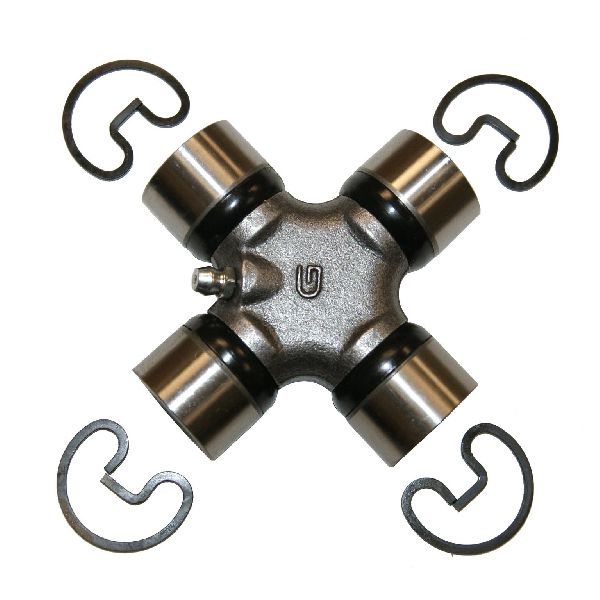
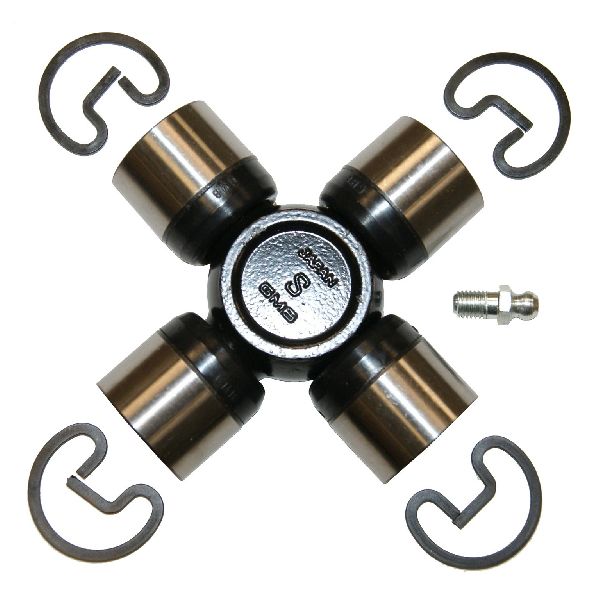
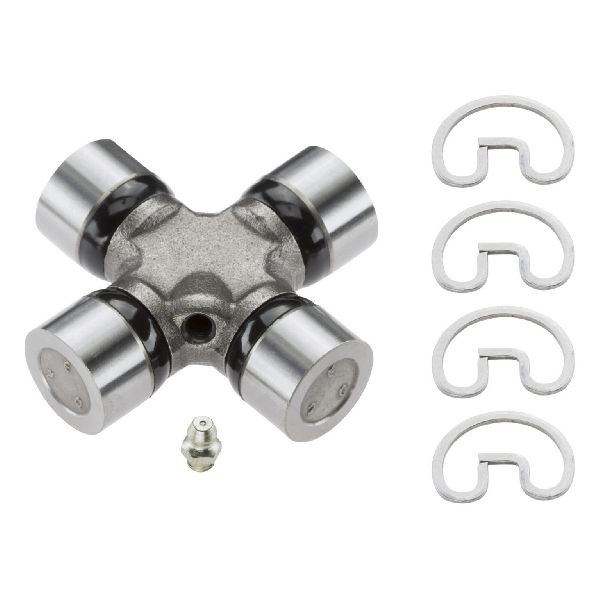
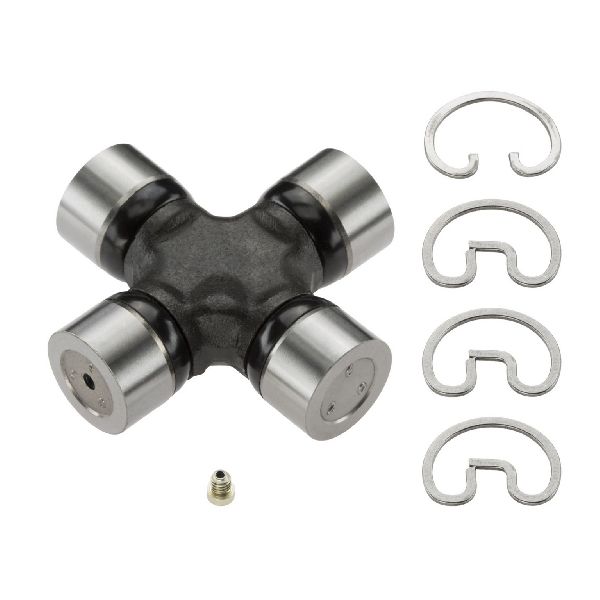
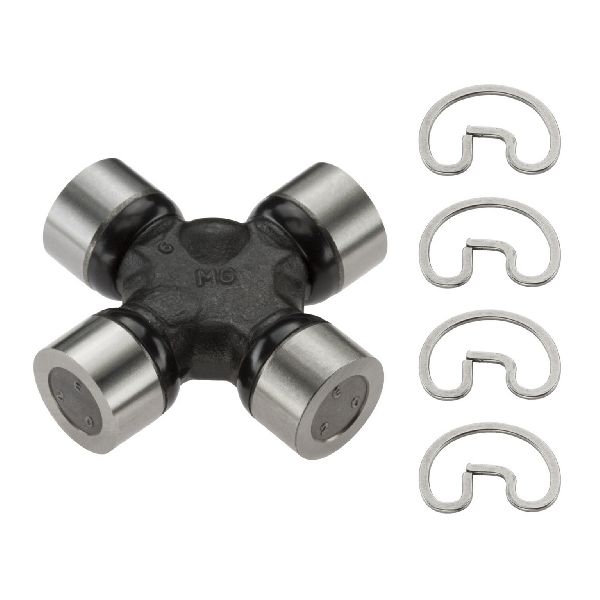
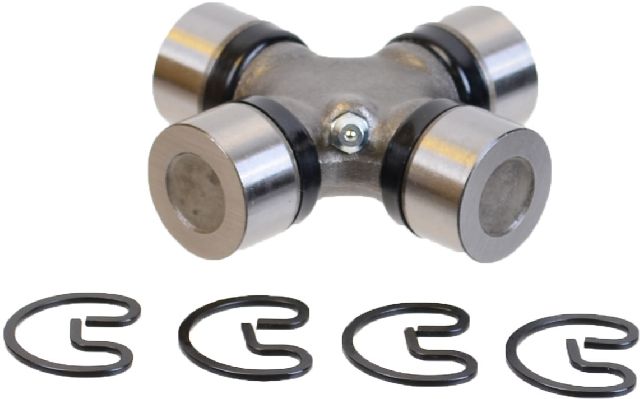
You'll see two types of U-joints: greaseable (with a zerk fitting) and non-greaseable (sealed). Original U-joints were often sealed and lasted a long time. Many experts prefer high-quality sealed joints like the Spicer Life Series because they are stronger (not hollowed out for grease channels) and don't require maintenance. Greaseable joints can last if you are diligent about regular greasing, but if maintenance is forgotten, they can fail quickly.
Brand Quality Tiers
- Premium / Heavy-Duty (Recommended): Dana Spicer is widely considered the best choice for American cars. They were an original equipment manufacturer for many vehicles and are known for strength and durability. Their non-greaseable "Spicer Life Series" is a top pick for a strong, long-lasting, install-and-forget part.
- Quality Alternative: SKF is a well-respected bearing manufacturer that produces quality U-joints. They are a solid choice if Spicer is not available and are considered a reliable brand.
- Standard / Economy: Moog and GMB fall into this category. Moog was once a top-tier brand, but many mechanics report a decline in quality in recent years, with parts often being hit-or-miss. GMB is generally seen as a standard replacement-grade part. These brands can be a budget-friendly option, but may not offer the same longevity as premium brands.
Typical Replacement Costs
The cost for the part itself is low, but labor can be significant if you have a shop do the work.
| Item | Estimated Cost |
|---|---|
| Aftermarket Universal Joint | $18 - $50 |
| Shop Labor | $200 - $450 |
A Note on Unibody Models (1958-1959)
The 1958 and 1959 Lincoln Capri models were built on a unibody platform, unlike the earlier body-on-frame cars. While the function of the driveshaft and U-joints is the same, driveline vibrations can sometimes feel more pronounced. Ensuring the U-joints are in perfect condition and the driveshaft is properly balanced is crucial for a smooth ride in these models.
Frequently Asked Questions
How many U-joints does my Lincoln Capri have?
Your Capri's rear driveshaft will have at least two universal joints—one at the transmission end and one at the differential (rear axle) end.
Can I replace just one bad U-joint?
Yes, but it's often recommended to replace them in pairs. If one has failed due to age and mileage, the other is likely not far behind. Given the low cost of the part, replacing both at the same time saves you from doing the job twice.
Is replacing a U-joint a DIY job?
For a person with good mechanical skills and tools, yes. The process involves removing the driveshaft, then using a bench vise and sockets or a hydraulic press to push the old joints out and press the new ones in. It requires some force and care to avoid damaging the driveshaft yoke. If you are not comfortable with this, it is best left to a professional mechanic.
What happens if a U-joint fails completely?
Complete failure is extremely dangerous. The U-joint will break apart, potentially causing the driveshaft to disconnect from the vehicle while you are driving. This can cause it to dig into the pavement, flipping the car, or whip around and destroy other components under the car like the transmission case, exhaust, and floor pan.
Technical Specifications
The 1952-1959 Lincoln Capri uses a rear-wheel-drive configuration with a driveshaft connecting the transmission to the rear differential. It requires at least two universal joints. The specific U-joint size and style (e.g., inside or outside snap rings) should be confirmed for your exact year and model before ordering.
We Have This Part in Stock

The information in this article is provided for general reference and educational purposes only. Vehicle specifications, procedures, and part compatibility can vary by production date, trim level, and region. Always consult your vehicle's factory service manual and verify part numbers before purchasing or performing repairs. Safety-critical components such as airbags, seat belts, and braking systems should be installed by a qualified professional.