

Accessory Drive Belt Guide for the 1951-1959 Studebaker Commander
Keep your classic Studebaker running cool and charging properly with the correct new accessory drive belt.
- A broken belt will immediately cause your engine to overheat and stop the battery from charging; pull over safely if this happens.
- Modern aftermarket brands like Gates, Dayco, and Continental offer high-quality V-belts that are superior to 1950s originals.
- Correct belt size and tension are more critical than brand choice for proper function and longevity.
- Inspect the belt annually for cracks and wear, and plan to replace it every 3-4 years as preventative maintenance.
Signs of a Failing Accessory Drive Belt
On a vintage vehicle like the 1951-1959 Studebaker Commander, the accessory drive belt (or V-belt) is a common wear item. Being aware of the warning signs can prevent you from being stranded.
- Squealing Noises: A high-pitched squeal, especially when you first start the engine or during acceleration, is the most common sign of a loose or worn belt.
- Visible Wear and Damage: Look at the belt. If you see cracks, fraying, missing chunks, or a shiny, glazed appearance on the sides, it's time for a replacement.
- Dimming Lights / Battery Issues: If the belt is slipping, it can't turn the generator effectively. This can cause your headlights to dim or the battery to not charge properly, indicated by the generator light on your dash.
- Engine Overheating: A slipping or broken belt will fail to turn the water pump, causing the engine temperature to rise quickly. This is a critical failure that can cause severe engine damage.
Critical Failure Warning
If the accessory drive belt breaks while driving, your engine will rapidly overheat and your battery will stop charging. Pull over immediately and shut off the engine to prevent catastrophic damage.
Choosing the Right Aftermarket Belt
For a 1950s vehicle, finding a "new old stock" (NOS) OEM belt is rare and often not practical, as rubber degrades over time. Modern aftermarket belts from reputable brands offer superior materials and construction compared to what was available when your Commander was new. The most important factor is getting the correct length and V-angle for a perfect fit.
Brand Quality
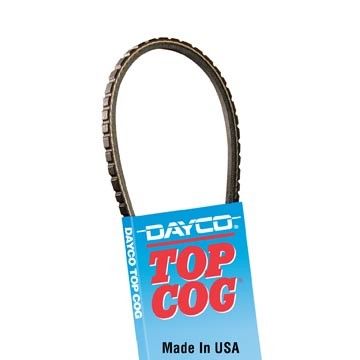
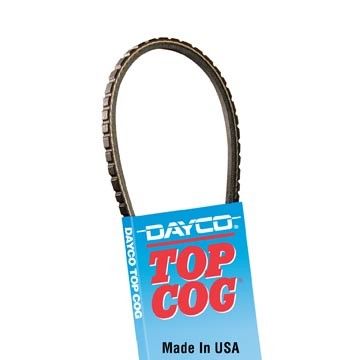
The brands available—Gates, Dayco, and Continental—are all well-respected manufacturers in the automotive world. For a simple V-belt on a classic application like the Commander, any of these brands will provide excellent service. Owner forums for classic cars often show that fitment is more critical than brand; as long as you choose a known brand, you are getting a quality part. The key is to cross-reference the part number or measure your old belt to ensure you buy the correct size.
Pro Tip: Check Your Pulleys
When replacing the belt, inspect the pulleys on the generator and water pump. Make sure they are clean, free of oil, and spin freely without wobbling. A misaligned or damaged pulley can destroy a new belt quickly.
Estimated Costs for Replacement
| Part Type | Estimated Cost |
|---|---|
| New Aftermarket Belt | $7.35 - $34.17 |
| Shop Labor | $50 - $150 |
Frequently Asked Questions (FAQ)
How often should I replace the belt on my Studebaker?
For V-belts on classic cars, a good rule is to replace them every 3-4 years or around 36,000 miles, whichever comes first. However, due to age, it's best to inspect the belt annually for cracks and proper tension.
Is this the same as a serpentine belt?
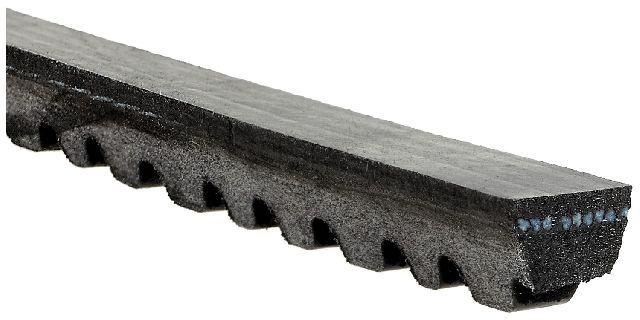
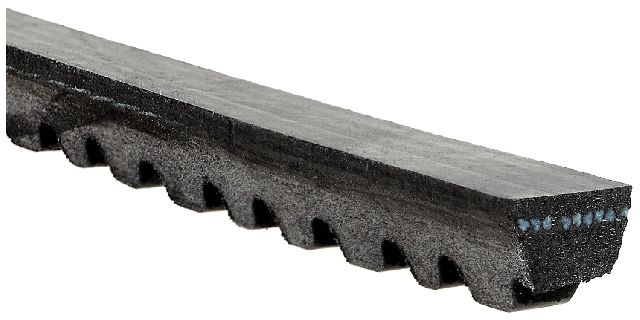
No. Your Commander uses a V-belt. Serpentine belts are wide, flat, multi-grooved belts used on more modern vehicles to drive many accessories at once. V-belts are simpler and have a V-shaped cross-section.
How do I know if the belt tension is correct?
Improper tension is a leading cause of belt failure. A common rule of thumb for V-belts is that you should be able to twist the belt about 90 degrees (a quarter turn) at its longest point between pulleys. If you can twist it more, it's too loose; if less, it's too tight.
Are there any recalls for the accessory drive belt on my Commander?
No. There are no active recalls or technical service bulletins (TSBs) in the NHTSA database for this part on a 1951-1959 Studebaker Commander. Any such issues would have been handled decades ago.
Technical Specifications
The system uses a V-belt, not a modern serpentine belt. The key specifications are the belt's top width and outside circumference. These must be matched precisely for your specific engine and accessory configuration (with or without options like power steering, if applicable). Always measure your old belt or consult a vehicle-specific parts catalog to ensure correct fitment.
We Have This Part in Stock
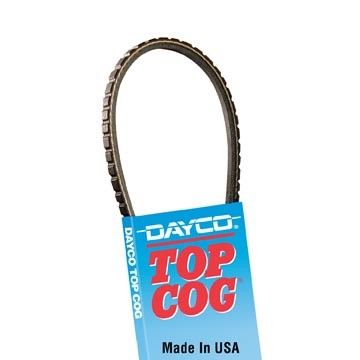

The information in this article is provided for general reference and educational purposes only. Vehicle specifications, procedures, and part compatibility can vary by production date, trim level, and region. Always consult your vehicle's factory service manual and verify part numbers before purchasing or performing repairs. Safety-critical components such as airbags, seat belts, and braking systems should be installed by a qualified professional.