

Choosing the Right Ignition Coil for Your 1951-1959 GMC 370
Keep your classic GMC running strong by understanding its specific ignition coil needs.
- You MUST confirm if your truck has a 6-volt or 12-volt electrical system before ordering a new coil.
- Symptoms of a bad coil include hard starting, misfiring, stalling, and reduced power.
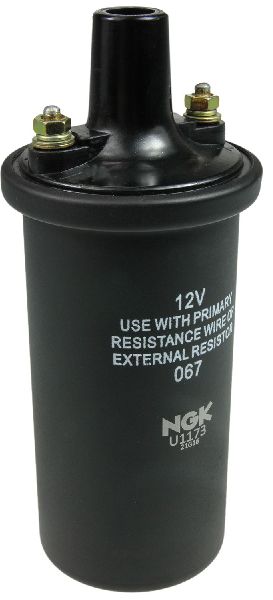
- For this vintage truck, a quality aftermarket coil from a brand like Standard Ignition or NGK is a reliable choice.
- Replacing the coil is a simple DIY job that can be done with basic tools in under 30 minutes.
Signs of a Failing Ignition Coil
The ignition coil on a classic truck like the GMC 370 is generally a robust part, but age, heat, and vibration eventually take their toll. Since these trucks don't have a "Check Engine Light," you have to pay attention to how the engine runs. A failing coil can leave you stranded, so it's best to address these symptoms early.
- Hard Starting or No-Start: A weak or dead coil won't produce enough voltage for a strong spark, making the engine difficult to turn over or preventing it from starting at all.
- Engine Misfires: The engine may sputter, shake, or run unevenly. This can feel like a hesitation or a jerking motion, especially when idling or accelerating.
- Stalling: The engine might cut out unexpectedly, particularly after it has warmed up.
- Reduced Power and Poor Fuel Economy: Your truck may feel sluggish and won't accelerate as it should. A weak spark leads to inefficient combustion, causing the engine to use more fuel.
- Backfiring: Loud pops from the exhaust can happen when unburned fuel ignites in the hot exhaust pipes due to a lack of spark in the cylinder.
Critical Check: 6-Volt vs. 12-Volt Systems
The single most common mistake when buying an ignition coil for a 1951-1959 GMC is ordering the wrong voltage. GMC started switching from 6-volt to 12-volt electrical systems around 1955. Furthermore, many older 6-volt trucks have been converted to 12-volt systems over the years. You must verify your truck's system before ordering.
- How to Check: Look at your battery. A 6-volt battery typically has 3 water filler caps, while a 12-volt battery has 6.
- Why It Matters: Using a 6-volt coil on a 12-volt system will cause it to overheat and fail very quickly. Using a 12-volt coil on a 6-volt system will result in a very weak spark, leading to poor performance and hard starting.
Choosing the Right Aftermarket Ignition Coil
For a vintage truck like the GMC 370, new original equipment (OEM) parts are no longer available. Aftermarket parts are your only option for a new coil. The quality of aftermarket brands can vary, but for a simple component like a canister coil, many reputable brands offer excellent performance and reliability.
Aftermarket Brand Tiers
Based on general market reputation and user reviews, aftermarket brands for this application can be grouped into tiers.
- Tier 1 (High Quality): NGK and Standard Ignition (SMP) are well-regarded brands known for producing reliable ignition components that often meet or exceed original specifications. They are trusted by professional mechanics and are an excellent choice for dependability.
- Tier 2 (Good Quality): Spectra and Global Parts offer a balance of quality and value. While some users report success, others have noted inconsistent quality compared to top-tier brands. These can be a good budget-friendly option, but may not have the same long-term durability as Tier 1 brands.
- Tier 3 (Economy): DriveWire is often positioned as an economy brand. While functional, these parts are typically manufactured to meet a low price point and may have a shorter service life.
Consider a Full Tune-Up
While you're replacing the ignition coil, it's a perfect time to inspect other ignition components. For best performance, consider also replacing the spark plugs, distributor cap, rotor, and condenser. This ensures your entire ignition system is refreshed and working together efficiently.
Aftermarket Ignition Coil Cost for 1951-1959 GMC 370
| Part Type | Price Range | Notes |
|---|---|---|
| New Aftermarket | $23.02 - $51.38 | This is the most common and recommended option. Price varies by brand. |
| New OEM | Not Available | Original new parts for this vehicle are no longer produced. |
| Used OEM | Varies | May be found at swap meets or salvage yards, but condition is not guaranteed. Not recommended. |
Frequently Asked Questions (FAQ)
Is replacing the ignition coil a difficult job?
No, this is a very easy job for a DIYer. The coil is typically mounted on the engine or firewall with a simple bracket. It involves disconnecting the battery, removing a few electrical wires and the main coil wire, and unbolting the bracket. The entire process usually takes less than 30 minutes with basic hand tools.
Do I need a ballast resistor?
It depends on the coil and your system. Some 12-volt systems use a ballast resistor to reduce the voltage supplied to the coil while the engine is running, which helps the ignition points last longer. If your truck was originally equipped with one, or if the new coil specifies "for use with external resistor," you should use one. Coils marked as "12V internal resistor" do not need one.
Are there any recalls or technical bulletins for my truck's ignition coil?
No. Due to the age of the 1951-1959 GMC 370, there are no active NHTSA recalls or manufacturer Technical Service Bulletins (TSBs) for the ignition system. The systems for recalls and TSBs were not as formalized during this vehicle's production era.
Is a more expensive aftermarket coil better?
Often, yes. Brands like NGK and Standard Ignition invest more in materials and quality control, which generally leads to a more reliable and longer-lasting part. For a critical component that can leave you stranded, spending a little more for a top-tier brand is a wise investment.
Technical Specifications
Canister-style ignition coil. Must match the vehicle's electrical system voltage (6V or 12V). May require an external ballast resistor depending on the specific coil and vehicle setup.
We Have This Part in Stock


The information in this article is provided for general reference and educational purposes only. Vehicle specifications, procedures, and part compatibility can vary by production date, trim level, and region. Always consult your vehicle's factory service manual and verify part numbers before purchasing or performing repairs. Safety-critical components such as airbags, seat belts, and braking systems should be installed by a qualified professional.