

Ignition Coil Guide for the 1951-1959 GMC 100
Solve your hard starts and rough running by choosing the right ignition coil for your classic GMC 100.
- You MUST identify if your truck has a 6-volt or 12-volt system before buying a coil.
- Symptoms of failure include no-start, misfiring, stalling, and backfiring.
- Replacement is a very easy DIY job that takes less than 30 minutes with basic tools.
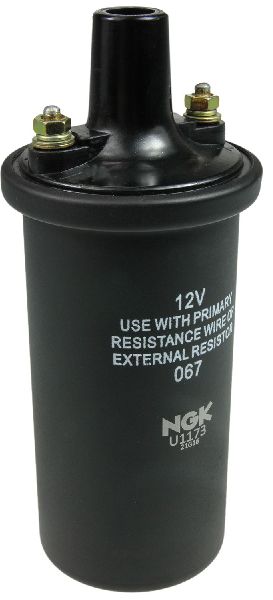
- For reliability, choose a premium aftermarket brand like NGK or Standard Ignition (SMP).
Is Your Ignition Coil Failing?
A bad ignition coil in a 1951-1959 GMC 100 will cause noticeable engine problems. Because these trucks use a single coil for all cylinders, a failure will affect the entire engine, not just one cylinder. Watch for these common signs.
Symptoms of a Bad Ignition Coil:
- No-Start or Hard Starting: A weak or dead coil won't produce enough voltage to create a strong spark, making the engine difficult or impossible to start.
- Engine Misfires and Sputtering: The engine may cough, sputter, or run unevenly, especially under acceleration. This can feel like a hesitation or stumble.
- Stalling: The truck may stall unexpectedly, particularly when idling at a stoplight, because the coil isn't providing consistent spark.
- Backfiring: Loud popping sounds from the exhaust can happen when unburnt fuel enters the exhaust system and ignites, a condition a faulty coil can cause.
- Poor Performance and Fuel Economy: If the coil is weak, the engine won't produce full power and will burn fuel less efficiently.
Critical Check: 6-Volt or 12-Volt System?
Before ordering a new ignition coil, you must know if your truck has a 6-volt or a 12-volt electrical system. This is the most common ordering mistake. GMC started switching from 6V to 12V in 1955, primarily on V8 models. However, many older trucks have been converted to 12V over the years.
How to check:
- Check the battery: A 6-volt battery has 3 filler caps on top; a 12-volt battery has 6 caps.
- Look at the generator/alternator: If your truck has an alternator instead of a generator, it is almost certainly a 12-volt system.
- Check markings: Look for voltage markings on the old coil, generator, or voltage regulator.
Installing a 6-volt coil on a 12-volt system without a proper ballast resistor will cause the coil to overheat and fail quickly. Always match the coil to your system's voltage.
Choosing the Right Aftermarket Ignition Coil
For a classic truck like the GMC 100, "new OEM" parts from GM are no longer available. The market consists entirely of aftermarket, used, or New Old Stock (NOS) parts. Aftermarket coils offer a reliable and affordable solution. Here’s a breakdown of available brands.
Brand Quality Tiers
Premium Quality (Recommended): Brands like NGK and Standard Ignition (SMP) have a long-standing reputation for producing high-quality ignition components that meet or exceed original specifications. They are known for durability and reliable performance, making them a solid choice for keeping your classic truck on the road.
Standard / Value Quality: Spectra offers parts that are a more budget-friendly option. While some users have good experiences, others have reported a shorter lifespan compared to premium brands. They can be a decent choice if budget is the primary concern, but may not offer the same long-term reliability.
Economy Brands: DriveWire and Global Parts fall into the economy category. These brands focus on providing the lowest possible price. While they may function correctly out of the box, their long-term durability and performance can be inconsistent.
Pro Tip: For a vehicle of this age, investing in a quality coil from a brand like NGK or Standard Ignition is a smart move. The small extra cost often translates to better reliability and peace of mind, preventing you from being stranded by a failed part.
Ignition Coil Replacement Cost
Replacing the ignition coil on a 1951-1959 GMC 100 is an affordable repair. The part itself is inexpensive, and labor is minimal.
| Part/Service | Estimated Cost |
|---|---|
| New Aftermarket Ignition Coil | $23 - $52 |
| Shop Labor | $50 - $100 |
| Total Estimated Cost (DIY) | $23 - $52 |
| Total Estimated Cost (Installed) | $73 - $152 |
Frequently Asked Questions (FAQ)
Do I need a ballast resistor?
It depends on your coil and system voltage. Some 12-volt systems use a coil that requires an external resistor. This resistor lowers the voltage during normal operation to protect the ignition points but is bypassed during starting for a hotter spark. A true 12-volt coil does not need a resistor. If you are using a 6-volt coil on a 12-volt converted system, you absolutely need a ballast resistor to prevent the coil from burning out. Always check the coil manufacturer's specifications.
Is replacing the ignition coil a DIY job?
Yes, absolutely. For this truck, the ignition coil is typically mounted on the engine or firewall and is easily accessible. The job involves disconnecting the battery, removing a few wires and a single mounting bolt or clamp. It requires basic hand tools and can usually be done in under 30 minutes.
Should I replace anything else with the ignition coil?
While you're working on the ignition system, it's a good time to inspect the other components. Check the distributor cap and rotor for cracks, wear, or carbon buildup. Inspect the spark plug wires for cracks or brittleness. On these trucks, also check the condition of the points and condenser inside the distributor. Replacing these tune-up items together ensures the whole system is in top shape.
What is the difference between an oil-filled and an epoxy-filled coil?
Traditional canister coils are filled with oil to help dissipate heat and insulate the internal windings. Modern epoxy-filled coils serve the same purpose but are more resistant to vibration and are less likely to leak. For a stock-appearing restoration, an oil-filled coil is appropriate. For daily driving or improved durability, an epoxy-filled coil is a good upgrade.
Technical Specifications
System Voltage (6V or 12V), Canister Style (Oil-Filled), External Resistor Requirement (Varies by coil and system)
We Have This Part in Stock




The information in this article is provided for general reference and educational purposes only. Vehicle specifications, procedures, and part compatibility can vary by production date, trim level, and region. Always consult your vehicle's factory service manual and verify part numbers before purchasing or performing repairs. Safety-critical components such as airbags, seat belts, and braking systems should be installed by a qualified professional.