

Accessory Drive Belts for the 1951-1952 Dodge B-3 Truck
Keep your classic Dodge B-3 charging and running cool with the right replacement V-belts.
- Your truck uses one or more V-belts, not a single serpentine belt; confirm your specific configuration before buying.
- A squealing noise, rising engine temperature, or a battery light are all urgent warning signs of a failing belt.
- Modern aftermarket brands like Gates offer superior durability compared to original 1950s-era belts.
- Replacing the belt is a simple, low-cost job that most owners can perform themselves in under an hour.
Understanding Your Truck's V-Belt System
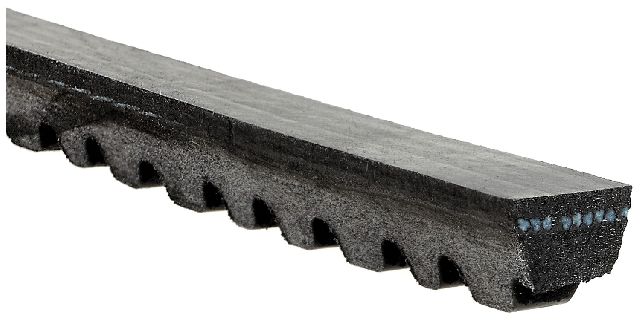
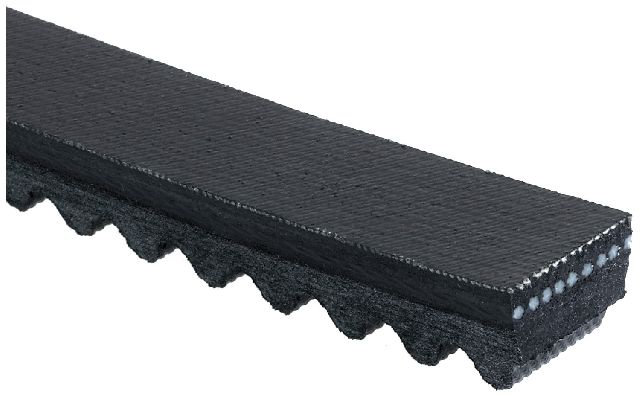
The Dodge B-3 "Pilot-House" trucks were built with a straightforward and robust engine design. Part of this simplicity is the accessory drive system, which uses a "wedge-type" V-belt. The primary belt runs the most critical components: the water pump and the generator. Some trucks with optional equipment might have additional belts, but the basic setup relies on this single, crucial belt. Because this system is so simple, inspecting and replacing the belts is a job most owners can do themselves.
Symptoms of a Failing V-Belt
Catching a bad belt before it snaps can save you from a breakdown and potential engine damage. Listen for a loud squealing sound when you start the engine or when you accelerate; this is the most common sign of a loose or worn-out belt. A visual inspection is also key. Look for:
- Cracks: Multiple cracks across the belt's surface indicate the rubber is old and brittle.
- Fraying: If the sides of the belt are frayed or pieces are coming off, it needs immediate replacement.
- Glazing: A shiny or glossy appearance on the sides of the belt means it has been slipping and is no longer gripping the pulleys effectively.
Engine Overheating or Battery Light
If your temperature gauge suddenly starts to climb or the battery/generator light comes on, pull over immediately. These are signs that the belt may have already broken. Driving without a functioning water pump can cause severe engine damage in just a few minutes.
Choosing the Right Aftermarket Belt
For a vintage truck like the 1951-1952 B-3, new original equipment (OEM) parts are no longer manufactured. Your options are New Old Stock (NOS) parts, which can be rare and expensive, or modern aftermarket belts. High-quality aftermarket brands offer a significant advantage, as they are made with modern rubber compounds that are more durable and resistant to heat and oil than the original belts from the 1950s.
Gates is a well-known and respected brand that has been making belts for decades. They are considered a top-tier supplier, and many mechanics trust them for their reliability and proper fit. When shopping for a Gates belt, you can be confident you are getting a quality part that will meet or exceed the performance of the original.
Check Your Tension
After installing a new belt, proper tension is critical. As a rule of thumb, you should be able to press down on the belt about half an inch at the longest point between pulleys. A belt that is too loose will slip and squeal, while a belt that is too tight can cause premature wear on the bearings inside your generator and water pump.
Typical Replacement Costs for a 1951-1952 Dodge B-3
Replacing the V-belts on your B-3 is one of the more affordable maintenance jobs. The parts are inexpensive, and the labor is straightforward.
| Part/Service | Estimated Cost |
|---|---|
| New Aftermarket Belt (Gates) | $30 - $42 |
| Shop Labor | $75 - $150 |
| Total Estimated Cost | $105 - $192 |
Cost estimates are based on national averages and may vary by location and shop.
Frequently Asked Questions (FAQ)
How many belts does my 1951 Dodge B-3 have?
Most standard B-3 trucks have one primary V-belt that drives the generator and the water pump/fan. If your truck was equipped with rare factory options like power steering, it might have an additional belt.
Is this a serpentine belt?
No. Your truck uses one or more V-belts, which are narrow and run in V-shaped pulley grooves. Modern vehicles use a single, wide, flat serpentine belt to run all accessories. You cannot use a serpentine belt on your B-3 without extensive modification.
Are there any recalls for the drive belts on my truck?
No. There are no active recalls or Technical Service Bulletins (TSBs) from Dodge or the NHTSA for the accessory drive belts on the 1951-1952 Dodge B-3. This is common for vehicles of this age.
Can I replace the belt myself?
Yes, this is a very DIY-friendly job. The process typically involves loosening the mounting bolts on the generator, pushing it inward to create slack, removing the old belt, and fitting the new one. You then use a pry bar to gently apply tension to the generator while tightening the bolts. The entire process usually takes less than an hour.
Technical Specifications
OEM Part Numbers: 1117603
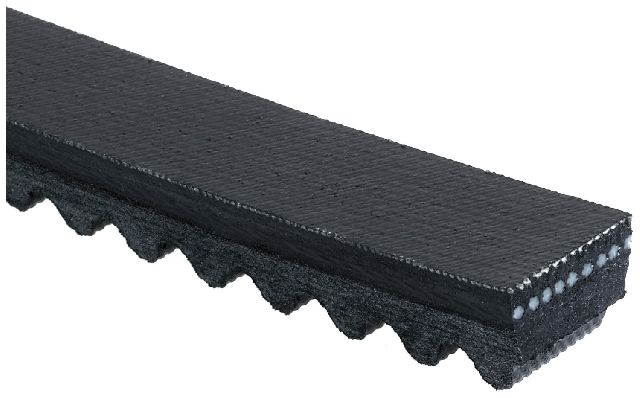
V-Belt (Wedge-Type)
We Have This Part in Stock

The information in this article is provided for general reference and educational purposes only. Vehicle specifications, procedures, and part compatibility can vary by production date, trim level, and region. Always consult your vehicle's factory service manual and verify part numbers before purchasing or performing repairs. Safety-critical components such as airbags, seat belts, and braking systems should be installed by a qualified professional.