

1950-1961 Chrysler Newport Speedometer Cable Replacement and Diagnosis
If your Newport's speedometer needle is bouncing, noisy, or stuck at zero, the cable is the most likely cause.
- Symptoms like a bouncing needle, squealing noises, or a dead speedometer almost always point to a bad cable on a 1950-1961 Newport.
- New aftermarket cables from brands like Pioneer and ATP are the standard replacement, as original parts are unavailable.
- Always lubricate the new inner cable with white lithium grease before installation, but keep grease away from the top few inches that connect to the gauge.
- If a new cable doesn't fix the issue, the problem is likely a seized speedometer head or a stripped drive gear in the transmission.
Is Your Newport's Speedometer Acting Up?
On a classic car like the Chrysler Newport, problems with the speedometer almost always point back to the cable. The signs are usually obvious and easy to spot. Look for these common symptoms:
- Bouncing or Wavering Needle: This is the most common symptom. While driving at a steady speed, the needle jumps around instead of holding still. This happens when the inner cable binds and releases inside the housing because it's dry, dirty, or kinked.
- Squealing or Whining Noises: You might hear a squealing or grinding sound coming from behind the dashboard that changes with your speed. This is the sound of the dry metal cable scraping against its housing due to friction.
- Speedometer Doesn't Move: If the needle stays at zero, the inner cable has likely snapped or become disconnected from the transmission or the back of the speedometer. In some cases, a seized speedometer head (the gauge itself) can cause the cable to break.
Choosing the Right Aftermarket Cable
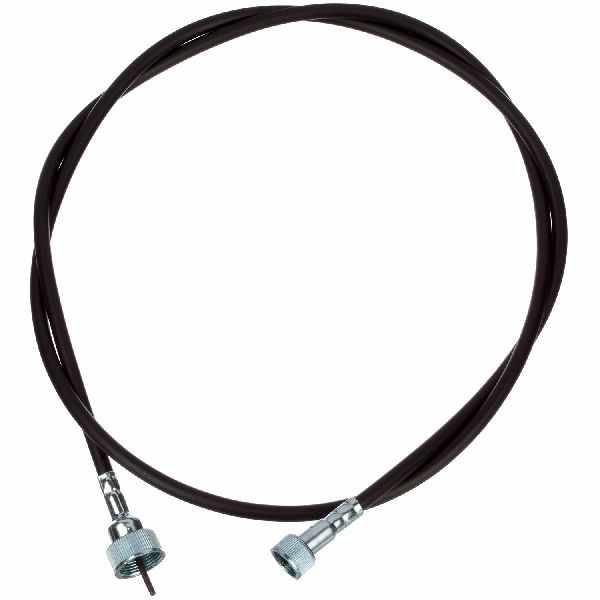
Original speedometer cables for a 1950-1961 Newport are no longer made by Chrysler and are nearly impossible to find new. New aftermarket parts are the standard and most reliable choice for this repair. The two main brands you will find are ATP and Pioneer Cable.
- Pioneer Cable: Pioneer is a well-regarded aftermarket brand that produces cables designed to match original equipment (OE) specifications. Their products typically use a strong steel inner cable and a modern housing to protect against dirt and wear, making them a reliable, direct-fit replacement.
- ATP: ATP also offers direct-fit replacement cables and universal core kits. They are a common choice for repairs on classic vehicles and provide a cost-effective solution.
For a vehicle of this age, both brands offer a functional replacement. The most critical factor for a long-lasting repair is not necessarily the brand, but proper lubrication and installation.
Pro Tip: Lubricate Before You Install
Before installing your new cable, pull the inner core out of the new housing. Apply a thin coat of white lithium grease or a specific cable lubricant along its length. However, do not put grease on the top 6-12 inches of the cable to prevent lubricant from working its way into the speedometer head itself. This simple step ensures quiet, smooth operation and helps the cable last much longer.
Known Issues for This Vehicle
No official recalls or Technical Service Bulletins (TSBs) have been issued by Chrysler or the NHTSA for the speedometer cable on the 1950-1961 Newport. However, owners on classic car forums have noted a few key points:
- Seized Speedometer Head: After many decades, the lubricant inside the speedometer gauge itself can dry up, causing the internal mechanism to seize. This can cause the new cable to break. If you replace the cable and it breaks again quickly, the problem is likely the speedometer head, which will need to be professionally serviced.
- Stripped Transmission Gear: The speedometer cable is driven by a small plastic or nylon gear inside the transmission. These gears can become brittle and strip over time. If a new cable doesn't solve the problem, you may need to inspect and replace this drive gear.
- Incorrect Cable Depth: One owner noted that the connecting cup on an aftermarket cable was shallower than the original, which could potentially cause issues. When installing, ensure the cable seats properly without being forced.
| Part/Service | Estimated Cost |
|---|---|
| New Aftermarket Speedometer Cable | $15.63 - $18.64 |
| Shop Labor | $100 - $200 |
| Total Estimated Cost | $115 - $220 |
Frequently Asked Questions (FAQ)
Is it hard to replace a speedometer cable on a classic Newport?
The job is mechanically simple but can be physically awkward. You have to unscrew the cable from the transmission (underneath the car) and from the back of the instrument cluster (under the dash). Reaching the back of the cluster can be difficult. It is a feasible DIY job for someone comfortable working in tight spaces.
What tools do I need to replace the cable?
Usually, no special tools are needed. The cable nuts are often hand-tight, though you might need pliers to loosen an old, stuck one. The connection at the speedometer is often a spring clip you press to release or a screw-on fitting. Basic hand tools to remove any dash trim for better access will be helpful.
My new cable is installed, but the speedometer still isn't working. What's wrong?
If a new, properly lubricated cable doesn't fix the problem, there are two other likely culprits. First, the small plastic gear that drives the cable inside the transmission may be stripped and needs to be replaced. Second, the internal mechanism of the speedometer head itself may have seized or broken, which would require sending the gauge to a specialist for repair.
Should I replace the whole cable or just the inner core?
It is highly recommended to replace the complete cable assembly (both the inner core and the outer housing). Often, the problem is caused by a worn, dirty, or kinked outer housing. Replacing the complete assembly is inexpensive and ensures that both components are new and will work together smoothly for a long-lasting repair.
Technical Specifications
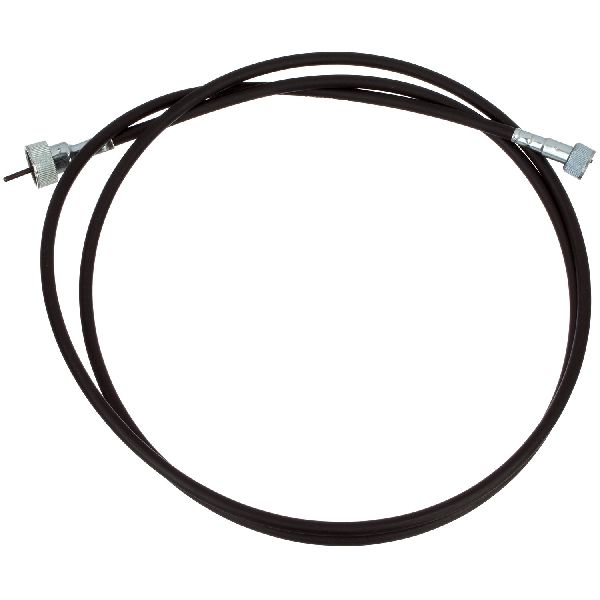
The speedometer cable for this vehicle is a mechanical, flexible shaft with a squared inner core. One end threads onto the transmission, and the other end connects to the speedometer head, often with a screw-on ferrule or a spring clip. Length can vary, so matching to the original is important.
We Have This Part in Stock


The information in this article is provided for general reference and educational purposes only. Vehicle specifications, procedures, and part compatibility can vary by production date, trim level, and region. Always consult your vehicle's factory service manual and verify part numbers before purchasing or performing repairs. Safety-critical components such as airbags, seat belts, and braking systems should be installed by a qualified professional.