

A Studebaker Commander Owner's Guide to HVAC Heater Hoses (1950-1959)
Keep your classic Commander's heater working and prevent engine damage from coolant leaks with the right replacement hoses.
- Only use new aftermarket hoses from reputable brands like Gates or Continental; avoid installing New Old Stock (NOS) rubber parts.
- Heater hoses for your Commander are likely molded to a specific shape, justifying a higher cost than generic hose material.
- Inspect hoses regularly for cracks, bulges, or soft spots to prevent a sudden failure and engine damage.
- Replacing heater hoses is a feasible DIY task for owners with basic mechanical skills.
Is Your Commander's Heater Hose Failing?
For a classic car like a 1950s Studebaker, rubber components are often the first to fail from age. Decades of heat cycles, vibration, and exposure to chemicals cause heater hoses to crack, swell, and weaken. Catching a bad hose before it bursts can save you from a breakdown and potential engine damage.
Common Symptoms of Failure:
- Coolant Leaks: You might notice puddles of green or yellowish fluid under your car, especially on the passenger side of the engine bay. Sometimes, a leak inside the car can mean a bad heater core or a leak at the hose connection at the firewall.
- Sweet Smell: The distinct, sweet smell of antifreeze inside or outside the car is a sure sign of a coolant leak.
- Visible Hose Damage: A visual inspection is your best tool. Look for cracks, splits, or bulging spots on the hoses. A hose that feels spongy, soft, or overly hard and brittle is ready to be replaced.
- Engine Overheating: A significant leak from a heater hose will cause a loss of coolant, leading your Commander's temperature gauge to climb quickly.
- No Heat: If a hose is clogged or has collapsed internally, hot coolant can't reach the heater core, leaving you with no warm air from your vents.
A Note on "New Old Stock" (NOS) Parts
While finding an original Studebaker hose from the 1950s might seem like a great find, it is not a good idea for installation. Rubber degrades significantly over 60-70 years, even when sitting on a shelf. An NOS hose will be brittle and unreliable compared to a modern equivalent. Always choose new aftermarket hoses for dependability.
Choosing the Right Aftermarket Heater Hose
For a 1950-1959 Commander, new OEM parts from Studebaker are no longer made. The aftermarket is your only source for new hoses. Thankfully, reputable brands produce high-quality replacements that often exceed the original specifications.
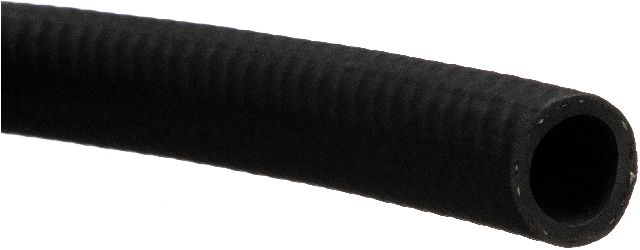
The hoses for your Commander may be simple, straight hoses cut to length or specifically molded hoses with pre-formed bends to navigate the engine bay correctly. For classic cars, fitment is the most important factor to avoid kinks that restrict flow or rubbing that causes premature wear.
Available Brands: Continental & Gates
Both Continental and Gates are top-tier, well-respected brands in the classic car community. You can use either with confidence. They use modern EPDM rubber, which is highly resistant to heat, ozone, and chemical degradation, making it superior to the original rubber. Forum discussions among classic car owners frequently recommend both brands, with the main deciding factor often being correct fitment for the specific application.
Pro Tip: Always replace your hose clamps when you replace your hoses. Old clamps can lose their tension or corrode, leading to leaks even with a brand-new hose.
| Part Type | Estimated Cost |
|---|---|
| New Aftermarket (Continental, Gates) | $80.54 - $81.22 |
| New OEM (NOS) | Not Recommended |
| Shop Labor | $100 - $200 |
Frequently Asked Questions
Can I drive my Commander with a leaking heater hose?
It is not recommended. A small leak can turn into a major burst without warning, leading to rapid coolant loss and severe engine overheating. It's best to address the issue immediately.
Is replacing a heater hose a DIY job?
Yes, for most owners with basic hand tools, this is a very manageable job on a 1950s Studebaker. The process involves draining some coolant, removing the old clamps and hoses, installing the new ones, and refilling and bleeding the cooling system of air.
Why are the hoses so expensive? Are they just plain rubber hoses?
The price reflects that these are often specifically molded parts, not just a simple length of straight hose. They are designed with specific bends and angles to fit your Commander's engine bay perfectly, which costs more to manufacture. Some applications may use a more generic flexible hose, but molded hoses generally provide better flow and a cleaner installation.
How often should I replace my heater hoses?
As a rule of thumb for classic cars, it's wise to inspect all cooling system hoses annually. Consider replacing them proactively every 5-10 years, regardless of appearance, to prevent unexpected failures. Modern hoses are durable, but the conditions in a vintage engine bay are harsh.
Technical Specifications
The key specifications are the inner diameter, length, and whether the hose is straight or molded with specific bends. Aftermarket hoses from brands like Gates and Continental are typically made from modern EPDM rubber, which resists heat and chemicals better than original materials.
We Have This Part in Stock


The information in this article is provided for general reference and educational purposes only. Vehicle specifications, procedures, and part compatibility can vary by production date, trim level, and region. Always consult your vehicle's factory service manual and verify part numbers before purchasing or performing repairs. Safety-critical components such as airbags, seat belts, and braking systems should be installed by a qualified professional.