

Ignition Coil Guide for the 1950-1959 Ford Ranch Wagon
Keep your classic Ford running strong by understanding and choosing the right ignition coil.
- First, confirm if your Ranch Wagon is a 6-volt (pre-1956) or 12-volt (1956 and later) system and buy the correct coil.
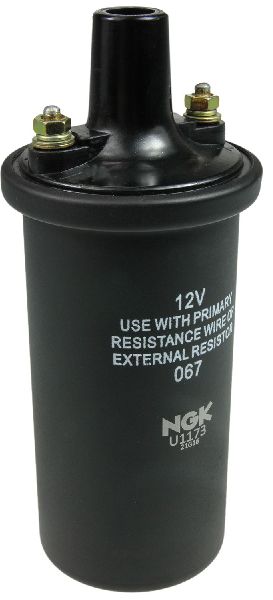
- For a stock daily driver, a reliable OE-quality brand like Standard Ignition or NGK is a safe and effective choice.
- Performance brands like MSD are generally for modified engines and may be overkill for a stock setup.
- Replacement is a very simple DIY task that requires only basic tools and less than an hour of your time.
Symptoms of a Failing Ignition Coil
Ignition coils on these classic wagons are simple, but they can fail from age, heat, and vibration. When a coil starts to go bad, it usually gives you some warning signs. A completely dead coil means the engine won't start at all. If you notice any of these issues, your coil might be the culprit.
- Hard Starting or No Start: The engine cranks but struggles or fails to fire up because the spark is too weak.
- Engine Misfires or Stalling: The car may shake, shudder, or stall, especially when idling at a stop sign. This happens because the coil isn't providing enough energy to consistently fire the spark plugs.
- Poor Performance and Power Loss: Your wagon may feel sluggish and slow to accelerate. A weak spark means the engine isn't producing its full power.
- Backfiring: Loud popping sounds from the exhaust can occur when unburned fuel ignites in the hot exhaust system. This can damage your exhaust over time.
- Worse Fuel Economy: If the engine isn't burning fuel efficiently due to a weak spark, you'll notice you're filling up the tank more often.
Choosing the Right Aftermarket Coil
Since Ford no longer produces original ignition coils for these vehicles, you will be buying an aftermarket part. The good news is that modern aftermarket coils are often more reliable than the originals, using better materials like epoxy filling instead of oil, which helps with heat and vibration. When choosing, it's important to match the coil to your vehicle's electrical system and your needs.
Aftermarket Brand Tiers
| Tier | Brands | Best For |
|---|---|---|
| OE-Quality Replacement | Standard Ignition, NGK | The majority of owners who want reliable, stock performance. These brands are known for making dependable parts that meet or exceed original specifications. |
| Performance Upgrade | MSD, Accel | Owners with modified engines or those looking for the hottest spark possible. These coils often provide higher voltage but may be unnecessary for a stock engine. Some users report mixed reliability with Accel compared to MSD or stock-style coils. |
| Economy | DriveWire, Global Parts, Spectra | Budget-conscious buyers. These coils will get the job done, but their long-term durability may not match that of the higher-tiered brands. DriveWire is often presented as an OE-grade alternative at a lower price point. |
6-Volt vs. 12-Volt Systems
Ford switched from 6-volt to 12-volt electrical systems in 1956. It is critical to buy an ignition coil that matches your vehicle's system. A 12-volt coil on a 6-volt system will produce a very weak spark, and a 6-volt coil on a 12-volt system will quickly overheat and fail. Always verify your vehicle's voltage before ordering.
Frequently Asked Questions
Do I need an external ballast resistor?
It depends on the coil. Some coils have an internal resistor, while others require an external one to prevent overheating, especially on 12-volt systems. Using a coil that requires a resistor without one will cause it to fail quickly. Always follow the manufacturer's instructions for the specific coil you purchase.
Is it hard to replace an ignition coil?
No, this is one of the easiest jobs you can do on your Ranch Wagon. It typically involves removing one or two bolts that hold the coil bracket and disconnecting two small primary wires and the main high-voltage wire that goes to the distributor. The entire job can usually be done in under 30 minutes with basic hand tools.
Can a bad ignition coil damage other parts?
Yes. A consistently misfiring engine can allow unburned fuel to enter the exhaust, which can lead to backfiring and potential damage. While these classic cars don't have catalytic converters, chronic misfires can still cause issues and put extra strain on engine and exhaust components.
Are there any recalls for the ignition coil on my Ranch Wagon?
No, there are no active recalls or technical service bulletins (TSBs) from the National Highway Traffic Safety Administration (NHTSA) for the ignition system on these vehicles. The NHTSA was formed after these vehicles were manufactured, and their recall system does not typically cover vehicles of this age.
Technical Specifications
Voltage (6V or 12V), Primary/Secondary Resistance (Ohms), Oil-Filled vs. Epoxy-Filled, Internal or External Resistor Required.
We Have This Part in Stock


The information in this article is provided for general reference and educational purposes only. Vehicle specifications, procedures, and part compatibility can vary by production date, trim level, and region. Always consult your vehicle's factory service manual and verify part numbers before purchasing or performing repairs. Safety-critical components such as airbags, seat belts, and braking systems should be installed by a qualified professional.