

Distributor Cap Guide for the 1950-1957 Nash Ambassador Super
Keep your classic Nash running smoothly with the right distributor cap.
- A bad distributor cap is a common cause of misfires, rough running, and hard starting.
- Always replace the distributor rotor at the same time as the cap.
- Verify your engine type before ordering; 1950-56 models are typically straight-six, while 1957 introduced a V8.
- Choose a quality aftermarket brand like Standard Ignition or Walker Products for reliability.
Symptoms of a Failing Distributor Cap
A distributor cap is a wear-and-tear item. Over time, heat and high voltage can cause cracks, corrosion, or carbon buildup on the terminals. When this happens, the flow of electricity to the spark plugs gets disrupted. Look for these common signs of a bad distributor cap in your Nash Ambassador Super:
- Engine Misfires or Rough Idle: This is one of the most common symptoms. You might feel the engine shaking or stumbling, especially when idling or accelerating. This happens when a cylinder doesn't get the spark it needs to ignite the fuel.
- Difficulty Starting: Cracks or moisture inside the cap can lead to a loss of voltage, making the engine hard to start, especially in cold or damp weather. In some cases, a very worn or damaged cap can prevent the car from starting at all.
- Engine Stalling or Backfiring: If the engine unexpectedly stalls or you hear backfiring, it could be due to improper voltage delivery from a faulty cap.
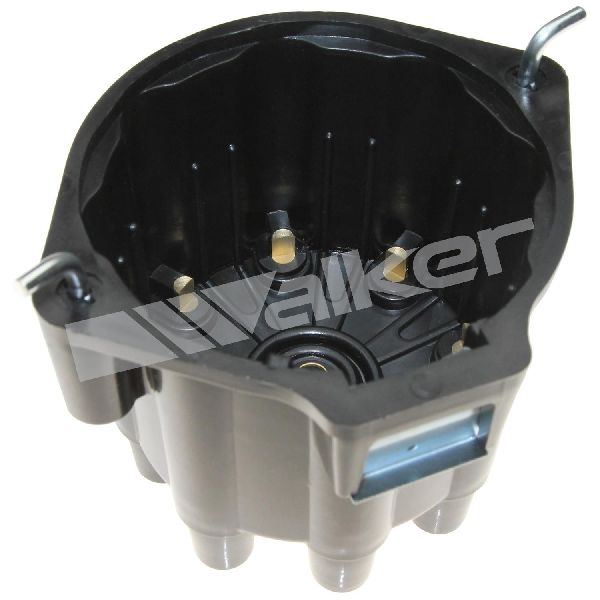
- Visible Damage: The easiest check is to look at the cap itself. Look for cracks, moisture, or white, crusty corrosion on the metal terminals inside and out. Carbon tracking, which looks like pencil lines, is a sure sign the cap is bad and needs replacement.
Check the Rotor, Too
The distributor rotor spins inside the cap and is just as important. It's a small, inexpensive part that wears out along with the cap. It is always recommended to replace the rotor at the same time as the cap to ensure a complete and lasting repair.
Choosing the Right Aftermarket Distributor Cap
For a vehicle like the 1950-1957 Nash Ambassador, original "OEM" parts from Nash are no longer manufactured. All new distributor caps available today are aftermarket parts. The key is to choose a quality part from a reputable brand that will provide reliable performance.
Brand Tiers & Quality
Your main choices for a new distributor cap will be from established aftermarket brands. Based on their history and product lines, here’s what you can expect:
- Standard Ignition (Standard Motor Products): Often considered a top-tier aftermarket brand, Standard has been making ignition parts for over 100 years. Their caps are often made with high-quality materials like glass-reinforced polyester resin to resist carbon tracking and feature solid brass terminals for better conductivity and corrosion resistance. For American classic cars, Standard is generally seen as a reliable, high-quality choice.
- Walker Products: Walker is another well-known brand that aims to meet or exceed original equipment specifications. They engineer their caps with high-dielectric materials to prevent voltage leaks and use precision contacts for consistent spark delivery. While some online discussions mention concerns about modern quality control for some product lines, their ignition components are generally designed for durability.
Engine Change in 1957
It is critical to order the correct part for your specific year. The 1950-1956 Ambassador Super models used a straight-six engine. In 1957, Nash introduced a new 327 cubic inch V8. These engines use different distributors and therefore require different distributor caps. Always verify the part fits your specific year and engine before ordering.
Estimated Cost of Replacement
Replacing the distributor cap is one of the more affordable maintenance jobs for your Nash.
| Part/Service | Estimated Cost |
|---|---|
| New Aftermarket Distributor Cap | $18 - $54 |
| Shop Labor | $50 - $100 |
| Total Estimated Cost | $68 - $154 |
Cost estimates are for the part and labor only and do not include taxes, shop fees, or the cost of a new rotor or spark plug wires.
Frequently Asked Questions
Can I replace the distributor cap myself?
Yes, this is a very beginner-friendly job for a DIY mechanic. The distributor is typically easy to access on these older engines. The most important part of the job is to transfer the spark plug wires from the old cap to the new cap one at a time to ensure the firing order remains correct.
How often should I replace the distributor cap?
There is no strict mileage interval for a classic car. The distributor cap and rotor should be inspected during every tune-up or at least once a year. Look for cracks, wear, or corrosion. Replace them whenever they show signs of damage.
What's the difference between phenolic (black) and alkyd (tan) caps?
Both are types of plastic. Phenolic is the traditional black plastic. Alkyd, a tan or gray material, often has a higher dielectric strength, meaning it's better at resisting high voltage breakdown. For your Nash, either material from a quality brand will work well, but caps with brass terminals are generally preferred over aluminum.
Are there any recalls on the Nash Ambassador distributor cap?
No. There are no recalls or Technical Service Bulletins (TSBs) on record for the distributor cap for the 1950-1957 Nash Ambassador Super. The National Highway Traffic Safety Administration (NHTSA), which manages recalls, was formed long after these vehicles were produced.
Technical Specifications
Material: High-dielectric strength polyester resin. Terminals: Brass or aluminum. Engine Fitment: Specific to Straight-6 (1950-1956) or V8 (1957) engines.
We Have This Part in Stock


The information in this article is provided for general reference and educational purposes only. Vehicle specifications, procedures, and part compatibility can vary by production date, trim level, and region. Always consult your vehicle's factory service manual and verify part numbers before purchasing or performing repairs. Safety-critical components such as airbags, seat belts, and braking systems should be installed by a qualified professional.