

Spark Plug Guide for the 1950-1954 Ford Country Squire
Keep your classic wagon's engine firing smoothly with the right set of new spark plugs.
- For a stock engine, standard copper plugs from Champion, NGK, or Denso will perform well.
- Properly gapping the new spark plugs before installation is critical for engine performance.
- This is a simple DIY job that requires basic tools and can be completed in under an hour.
- Confirm if you have an inline-6 or V8 engine to ensure you buy the correct number of plugs.
Signs of Failing Spark Plugs
Worn spark plugs can cause problems you might notice while driving. Because these classic engines are simpler, the effects of bad plugs can be very obvious. If your Country Squire is experiencing any of these issues, it might be time for a new set of plugs.
- Rough Idling: Your engine may shake or sound uneven when the car is stopped. This is often the first sign of a fouled or worn-out plug.
- Hard Starting: If the engine cranks for a long time before it starts, weak spark plugs could be the cause. They struggle to create the initial spark needed for combustion.
- Engine Misfires: You might feel a hesitation or stumble from the engine, especially when you accelerate. This happens when a plug fails to fire, causing a cylinder to miss its power stroke.
- Poor Fuel Economy: If you're filling up the gas tank more often, inefficient spark plugs could be wasting fuel.
- Lack of Power: A noticeable loss of acceleration or sluggish performance can be traced back to plugs that aren't firing effectively.
Choosing the Right Aftermarket Spark Plugs
For a vintage vehicle like the 1950-1954 Country Squire, you don't need complex, high-performance plugs. The original ignition systems were designed for standard copper-core plugs. Modern aftermarket brands offer excellent quality that meets or exceeds the original specifications.
Brand Quality Tiers
| Tier | Brands | Description |
|---|---|---|
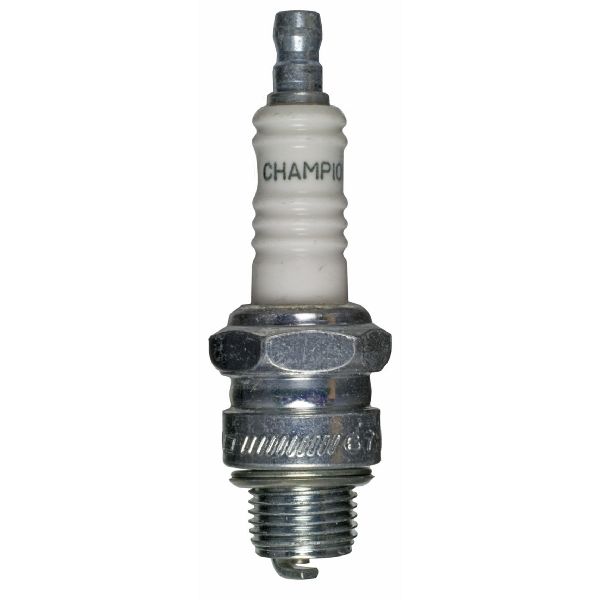
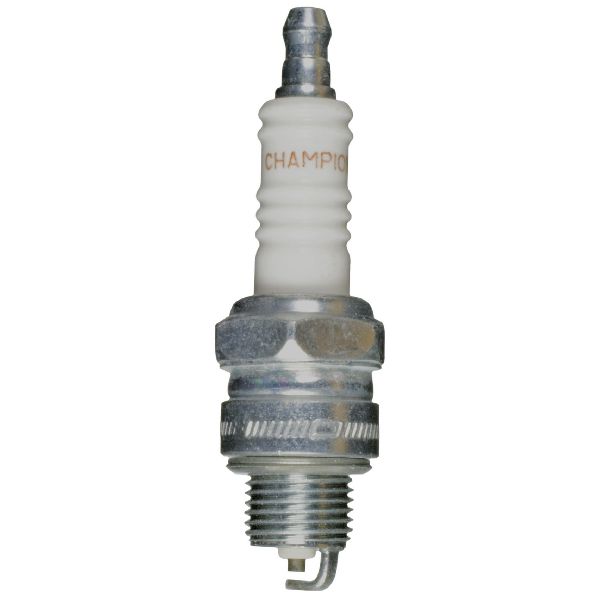
| Good | Champion | Champion was a common original equipment supplier for Ford during this era. A standard Champion copper plug, like the H10C, is a historically accurate and reliable choice for a stock Flathead V8 or inline-6 engine. Some owners in forums report fouling issues, but many others use them without problems. |
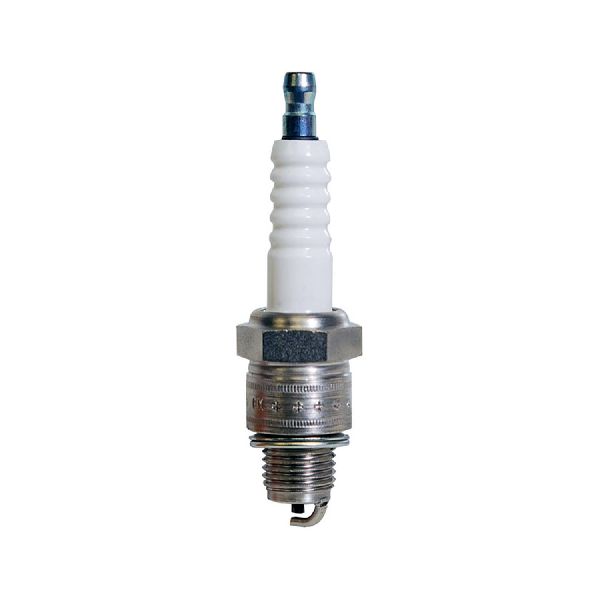
| Better | Denso | Denso is a well-respected Japanese brand known for high-quality manufacturing. They offer standard copper plugs that are a great alternative, providing reliable ignition and a long service life. |
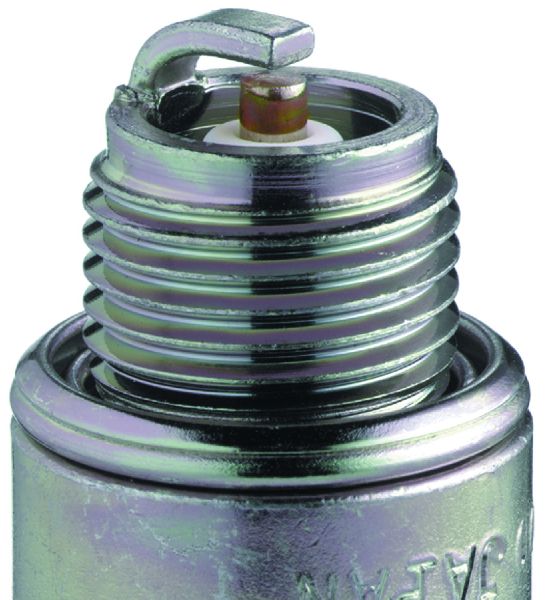
| Best | NGK | NGK plugs are often recommended by mechanics and classic car enthusiasts for their consistent quality and resistance to fouling. An NGK standard plug is an excellent upgrade for improved reliability and smooth performance. |
A Note on Original Equipment (OEM)
For a vehicle from the 1950s, a "New OEM" part doesn't exist in the same way it does for modern cars. Instead, you'll find modern reproductions or parts from the original supplier. Brands like Champion, which originally supplied Ford, offer plugs today that are equivalent to the originals and are considered a top choice for a factory-correct restoration.
Known Issues, Recalls, and TSBs
Due to the age of the 1950-1954 Ford Country Squire, there are no active recalls or Technical Service Bulletins (TSBs) from the NHTSA related to spark plugs. Any such issues would have been addressed decades ago. The common spark plug problems found in modern Ford engines, like plugs breaking or blowing out, are not a known issue for the Flathead V8 and inline-6 engines from this period.
Step-by-Step Installation Overview
Replacing the spark plugs on a 1950s Ford is a straightforward job that most owners can do themselves.
- Gather Your Tools: You'll need a spark plug socket, a ratchet with an extension, and a spark plug gap tool.
- Access the Plugs: The spark plugs are located on the side of the cylinder heads and are typically easy to access.
- Remove One Plug at a Time: To avoid mixing up spark plug wires, work on one cylinder at a time. Firmly pull the wire boot off the plug, then use your socket to unscrew the old plug.
- Gap the New Plug: Before installing a new plug, you must check its gap. The gap is the small space between the two electrodes. For these engines, a common gap is around 0.030 inches, but always check your vehicle's service manual for the exact specification. Use a gapping tool to adjust if needed.
- Install the New Plug: Screw the new plug in by hand to avoid cross-threading. Once it's finger-tight, use the ratchet to tighten it another 1/8 to 1/4 turn. Do not overtighten.
- Reconnect the Wire: Push the spark plug wire boot back onto the new plug until it clicks or feels secure. Repeat for all remaining plugs.
Important: Check Your Engine
The 1950-1954 Country Squire came with different engines, including an inline-6 and a V8. The 1954 models introduced new overhead-valve Y-block engines, replacing the older Flathead design. Always confirm your specific engine to ensure you purchase the correct spark plugs.
Frequently Asked Questions (FAQ)
How often should I change the spark plugs on my Country Squire?
For standard copper plugs in a vintage engine, a good rule of thumb is to inspect them every 10,000 to 15,000 miles and replace them every 20,000 to 30,000 miles, or if you notice any performance issues.
What is a spark plug gap and why is it important?
The spark plug gap is the distance between the center electrode and the ground electrode. This distance must be set to a specific measurement for your engine to run correctly. An incorrect gap can cause misfires, poor fuel economy, and hard starting.
Do I need to use anti-seize on the new spark plug threads?
Using a small amount of anti-seize compound on the plug threads is a common practice on older engines with iron heads to make future removal easier. However, be careful not to use too much, and some plug manufacturers advise against it. If you do use it, reduce the tightening torque slightly to avoid overtightening.
What's the difference between a "hot" and "cold" spark plug?
This refers to the plug's heat range, which is its ability to transfer heat away from the firing tip. A "hot" plug has a longer insulator nose and retains more heat, which helps burn off carbon deposits at low speeds. A "cold" plug has a shorter insulator and dissipates heat more quickly, which is better for high-speed or heavy-load conditions. For a stock Country Squire, a standard heat range plug as recommended by the manufacturer is always the best choice.
Technical Specifications
OEM Part Numbers: BSF44C BSF44P
Engine and year will determine the exact plug. Common plugs for the Flathead V8 are Champion H10C or equivalent. These are typically 14mm thread size with a tapered seat. The recommended spark plug gap is generally 0.030 inches. Always verify specifications for your specific engine.
We Have This Part in Stock

The information in this article is provided for general reference and educational purposes only. Vehicle specifications, procedures, and part compatibility can vary by production date, trim level, and region. Always consult your vehicle's factory service manual and verify part numbers before purchasing or performing repairs. Safety-critical components such as airbags, seat belts, and braking systems should be installed by a qualified professional.