

Hudson Pacemaker Engine Oil Pressure Switch: A 1950-1952 Guide
Keep your Pacemaker's engine safe by understanding its simple but vital oil pressure switch.
- A faulty oil pressure switch can give false warnings or fail to warn you of a real problem.
- Never ignore an oil pressure warning light; always stop and check your oil level first.
- For this vehicle, a new aftermarket switch from a reputable brand like Standard Ignition is a reliable and cost-effective choice.
- Replacing the switch is a simple, DIY-friendly task that requires basic tools.
Understanding Your Pacemaker's Oil System
The Hudson Pacemaker, like many cars of its era, uses a straightforward oil pressure warning system. It doesn't have a detailed gauge showing exact pressure; instead, it has a warning light on the dashboard. The engine oil pressure switch is the component that controls this light. It's a small sensor, usually screwed into the engine block, that acts as a simple on/off switch. When oil pressure is normal, the switch is open, and the light is off. If the pressure falls below a safe level (typically just a few PSI on these engines), the switch closes, completes an electrical circuit, and illuminates the warning light on your dash. This tells you there's a problem that needs immediate attention.
Symptoms of a Failing Oil Pressure Switch
A bad oil pressure switch can cause confusion and concern. Because it's the only source of information for your oil pressure light, its failure can either hide a real problem or create a false alarm. Common symptoms include:
- Oil Light Stays On: If the oil level is full and the engine sounds normal, but the oil light won't turn off, the switch may be faulty and stuck in the 'on' position.
- Oil Light Flickers: A flickering oil light, especially at idle, can sometimes point to a failing sensor that is hovering right at its trigger point.
- Oil Light Never Comes On: The warning light should briefly illuminate when you turn the key before starting the engine. If it doesn't, the bulb could be burned out, or the switch may have failed in the 'off' position. This is a dangerous condition as it won't warn you of a real loss of oil pressure.
- Visible Oil Leak: Over time, the switch itself can develop a leak. You might see oil seeping from the switch body or its electrical connector.
Warning: Never Ignore an Oil Pressure Light
If your oil pressure light comes on while driving, pull over and shut off the engine as soon as it is safe to do so. Always check your oil level first to rule out actual low oil. Continuing to drive with low oil pressure can lead to catastrophic engine failure.
Choosing the Right Aftermarket Switch
For a 1950-1952 Hudson Pacemaker, finding a "new old stock" (NOS) OEM part is nearly impossible and often not practical. Modern aftermarket parts are the go-to solution.
Brand Quality: Standard Ignition
Standard Motor Products (SMP), the company behind the Standard Ignition brand, is a well-established name in the aftermarket industry. They have been manufacturing ignition and electrical components for decades. For vintage American vehicles, their parts are generally considered a reliable and high-quality replacement. Customer feedback often indicates that SMP parts are a good value and perform well, sometimes being manufactured by the same suppliers as original equipment. For a simple but crucial part like an oil pressure switch on a classic vehicle, a new Standard Ignition switch is a dependable choice.
Estimated Costs
| Part Type | Estimated Cost |
|---|---|
| New Aftermarket (Standard Ignition) | $12 - $15 |
| Shop Labor | $50 - $100 |
Pro Tip: Easy DIY Replacement
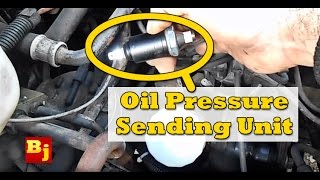
Replacing the oil pressure switch is one of the easier maintenance tasks you can perform on your Pacemaker. The switch is typically located on the side of the engine block and is accessible with a basic wrench or a special socket. Simply unplug the single wire, unscrew the old switch, apply thread sealant to the new switch, and screw it in. Reconnect the wire, and the job is done. This can save you the cost of shop labor.
🎬 Watch this step-by-step guide on how to change an oil pressure sensor.Frequently Asked Questions
Is it safe to drive with a bad oil pressure switch?
No. If the switch is faulty, it cannot warn you of a genuine low oil pressure event, which could destroy your engine. If it is giving false warnings, it prevents you from knowing if a real problem develops. This part is inexpensive and easy to replace, so there is no reason to delay the repair.
Will a modern switch work with my Pacemaker's 6-volt system?
Yes, most replacement oil pressure switches are simple mechanical devices that work equally well on 6-volt and 12-volt systems. The switch just completes a ground circuit and doesn't have voltage-sensitive electronics.
Why does my oil light flicker at idle but go away when I rev the engine?
This can be a symptom of a failing switch, but it can also indicate genuinely low oil pressure at idle, which is common in older engines with wider clearances. If a new switch doesn't solve the problem, it's wise to have a mechanic test the actual oil pressure with a mechanical gauge.
Do I need any special tools for this job?
Usually, a standard open-end wrench or a deep socket will work. In some cases, a special oil pressure switch socket can make the job easier, especially if access is tight. You will also want some thread sealant to prevent leaks from the threads of the new switch.
Helpful Videos
Technical Specifications
The switch is a simple on/off, pressure-sensitive device that grounds the circuit for the warning light when pressure is low. It is compatible with 6V and 12V systems.
We Have This Part in Stock


The information in this article is provided for general reference and educational purposes only. Vehicle specifications, procedures, and part compatibility can vary by production date, trim level, and region. Always consult your vehicle's factory service manual and verify part numbers before purchasing or performing repairs. Safety-critical components such as airbags, seat belts, and braking systems should be installed by a qualified professional.