

Choosing the Right Aftermarket Ignition Coil for Your 1950-1951 GMC P152
Keep your classic GMC running strong with a reliable new ignition coil.
- Confirm if your truck has a 6-volt or 12-volt system before buying a new coil.
- Symptoms like stalling when hot, misfiring, or a no-start condition often point to a bad ignition coil.
- Replacing the coil is a very simple DIY job that takes less than 30 minutes.
- Brands like Standard Ignition and NGK are considered premium choices, while Spectra is a reliable mid-grade option.
Is Your GMC P152 Ignition Coil Failing?
For a truck from the early 1950s, the ignition system is straightforward. The canister-style ignition coil is a key component, and when it starts to fail, the symptoms are usually quite noticeable. Because these coils generate heat and are subject to engine vibration, they can wear out over time. The oil inside can leak, or the internal windings can break down. If you're experiencing any of the issues below, your ignition coil is a likely suspect.
Choosing an Aftermarket Ignition Coil Brand
For a vintage truck like the P152, finding a "new OEM" part is not realistic. The original parts are long out of production. Instead, owners rely on new aftermarket parts that are built to meet or exceed the original specifications. The good news is that the canister coil design used in your truck is a time-tested technology, and several reputable brands produce reliable replacements.
When choosing a brand, it's helpful to think in tiers:
- Premium Brands: Standard Ignition (Standard Motor Products) and NGK are top-tier choices. Standard has been a trusted name in American auto parts for decades, and their quality for vintage applications is well-regarded. NGK, while often associated with Japanese vehicles, produces high-quality ignition components for a wide range of applications and is known for its reliability.
- Mid-Grade Brands: Spectra offers a balance of quality and value. While some users have reported mixed experiences with their more complex modern coil packs, their simpler, canister-style coils are generally considered a solid replacement option for a daily driver or restoration project.
- Economy Brands: Brands like Global Parts and Skyward fall into the economy category. They provide a functional part at a lower price point, which can be a good option for a budget-conscious repair, but may not offer the same long-term durability and rigorous quality control as the premium brands.
Aftermarket Brand Cost & Quality
| Brand | Typical Price Range | Quality Tier |
|---|---|---|
| Standard Ignition | $30 - $40 | Premium |
| NGK | $30 - $40 | Premium |
| Spectra | $25 - $35 | Mid-Grade |
| Global Parts, Skyward | $23 - $30 | Economy |
Important: Check Your Voltage!
The 1950-1951 GMC P152 originally came with a 6-volt electrical system. However, many of these classic trucks have been converted to a 12-volt system over the years. It is critical that you install the correct coil for your truck's voltage. An NGK part listing specifically notes a 6-volt coil for this truck. Conversely, another listing mentions a 12-volt coil. Installing a 6-volt coil on a 12-volt system will cause it to overheat and fail quickly. Installing a 12-volt coil on a 6-volt system will produce a very weak spark, making the truck hard to start and run poorly. Check your battery and generator/alternator to confirm your system's voltage before ordering.
Frequently Asked Questions (FAQ)
Is it difficult to replace the ignition coil on my GMC P152?
No, this is one of the easiest repairs you can do. The coil is typically mounted on the engine or firewall with a simple bracket. It involves disconnecting the battery, removing a few low-voltage wires and one high-tension wire (to the distributor), and unbolting the coil. The entire process usually takes less than 30 minutes.
Are there any recalls or technical service bulletins (TSBs) for the ignition coil on this truck?
No. Official NHTSA recalls and manufacturer TSBs are a more modern practice. There are no specific ignition coil recalls or bulletins on record for a 1950-1951 vehicle. Service information from that era was distributed to dealers in printed bulletins, which are now sold as historical documents.
Do I need an external resistor with my new coil?
It depends on the coil and your system. Some ignition systems of this era used an external ballast resistor to regulate voltage to the coil. Some modern replacement coils are designed with an internal resistor and do not require an external one. Check the specifications of the coil you are buying. One listing for the P152 specifically notes it is for systems 'Without External Resistor'. If your truck has a ballast resistor and your new coil has one internally, you may get a weak spark. If your new coil requires a resistor and you don't have one, the coil will overheat. Always match the new part to the system's requirements.
What else should I replace with the ignition coil?
Since you are working on the ignition system, it is a good time to inspect the other components. Check the distributor cap and rotor for cracks or corrosion, inspect the ignition points, and check the spark plug wires for cracking or brittleness. These are all inexpensive parts that work together with the coil to ensure a reliable spark.
Technical Specifications
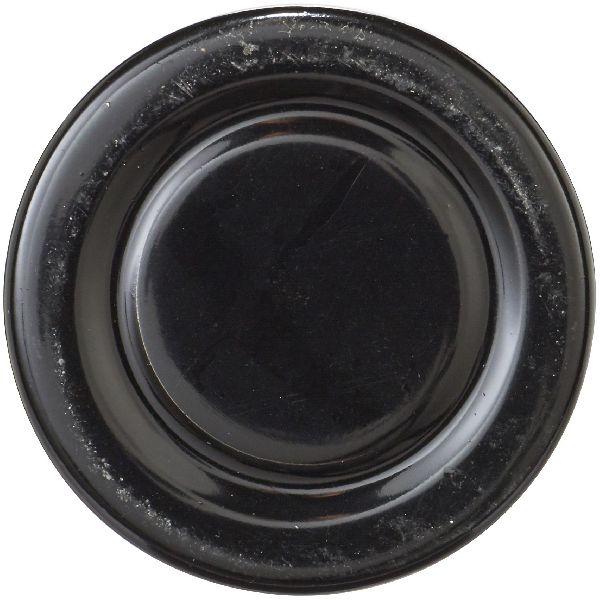
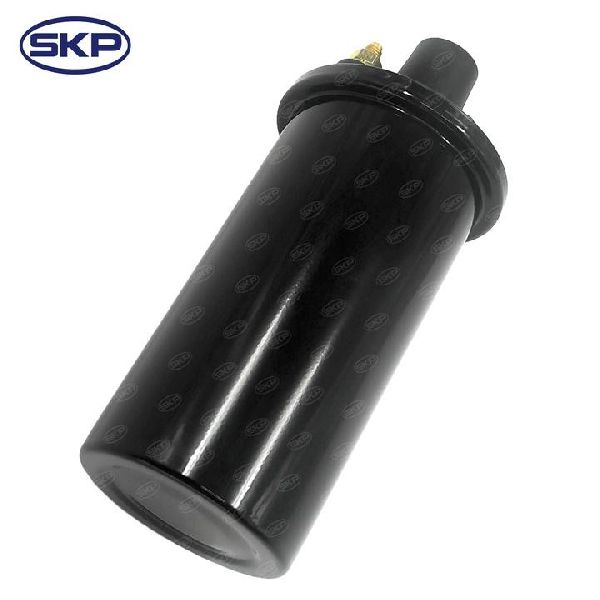
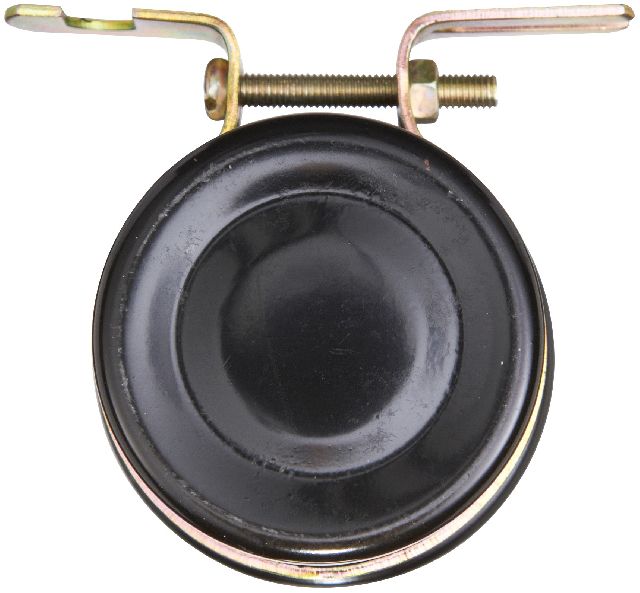
Canister-style, oil-filled ignition coil. Available for 6-volt or 12-volt systems. Typically uses a blade-type connector.
We Have This Part in Stock


The information in this article is provided for general reference and educational purposes only. Vehicle specifications, procedures, and part compatibility can vary by production date, trim level, and region. Always consult your vehicle's factory service manual and verify part numbers before purchasing or performing repairs. Safety-critical components such as airbags, seat belts, and braking systems should be installed by a qualified professional.