

Spark Plug Guide for the 1949 Nash 600 Super Special
Keep your classic Nash running strong with the right set of new spark plugs.
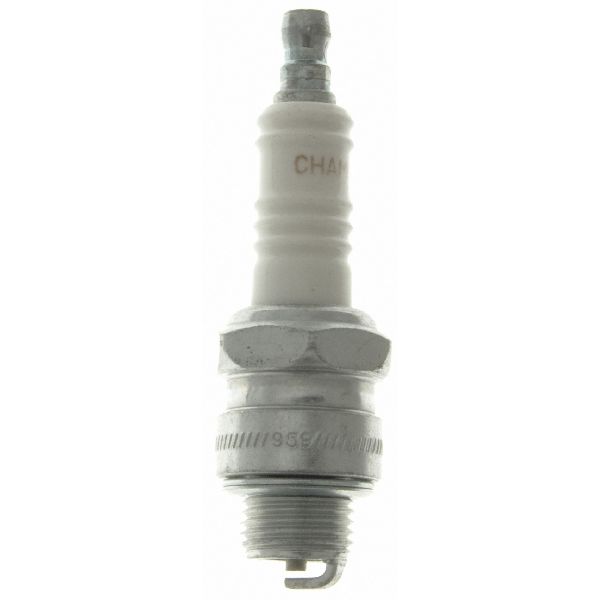
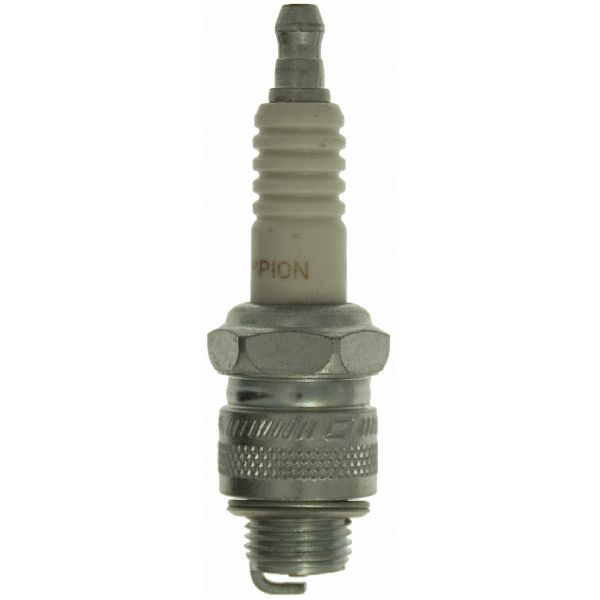
- Only use standard copper-core spark plugs from a brand like Champion for your Nash 600.
- Do not use modern platinum or iridium plugs, as they are not compatible with the vintage ignition system.
- Always check and set the spark plug gap (around 0.025 inches) before installation.
- Replacing spark plugs is a simple and very affordable DIY task that can greatly improve engine performance.
Signs of Failing Spark Plugs
When spark plugs get old and worn, they can't create a strong spark. This leads to problems that are easy to spot in a vintage car like the Nash 600. Because the ignition system is simple, it depends on the plugs being in good shape.
- Rough Idle: The engine may shake or sound uneven when the car is stopped. You might feel more vibration than usual.
- Engine Misfires: You may feel the engine hesitate or jerk, especially when you press the gas pedal. A misfire means a cylinder isn't firing correctly.
- Poor Acceleration: If your Nash feels sluggish or slow to respond, a weak spark could be the reason.
- Reduced Fuel Economy: A sudden drop in gas mileage can be a sign that your plugs are not burning fuel efficiently.
- Difficulty Starting: Worn-out plugs make it harder for the engine to fire up, especially in cold weather.
Choosing the Right Aftermarket Spark Plug
For a classic vehicle like the 1949 Nash 600, choosing a spark plug is simple. The original L-head engine was designed for standard copper-core spark plugs. Brands like Champion were common original equipment for cars of this era and continue to be an excellent, reliable choice today.
Avoid Modern Plug Types
Do not use expensive platinum or iridium spark plugs in your Nash. These are designed for modern, high-energy electronic ignition systems. They may not perform well or could even cause issues in your car's original-style ignition. Stick with the standard copper plugs the engine was designed for.
Brand & Quality Tiers
For the 1949 Nash 600 Super Special, the choice is straightforward. Aftermarket brands offer replacement parts that meet or exceed the quality of the original plugs from over 70 years ago.
- Good: Standard copper-core spark plugs from a reputable brand like Champion are the best and most appropriate choice. They are designed to work perfectly with your vehicle's vintage ignition system, providing reliable performance and long life.
Aftermarket Spark Plug Cost for 1949 Nash 600 Super Special
The cost for new aftermarket spark plugs is very affordable. Your Nash 600 has a six-cylinder engine, so you will need to purchase six plugs.
| Part Type | Price Range (Single Plug) | Price Range (Set of 6) |
|---|---|---|
| New Aftermarket (Champion) | $3.70 - $4.69 | $22.20 - $28.14 |
Pro Tip: Given the low cost, it's wise to replace all six spark plugs at the same time. This ensures even performance across all cylinders and prevents you from having to diagnose which single plug might be failing later on.
Frequently Asked Questions (FAQ)
How often should I change the spark plugs on my Nash 600?
For a classic car using standard copper plugs, it's a good practice to inspect them every year and replace them every 10,000 to 20,000 miles. If you don't drive the car often, replacing them every few years is good insurance for a healthy engine.
What is the correct spark plug gap for my 1949 Nash 600?
The correct spark plug gap for many vintage engines of this era is around 0.025 inches. However, it is critical to verify this with a service manual if possible. Always use a feeler gauge or gap tool to check and set the gap before installation, as new plugs are not always gapped correctly for your specific car.
Is it hard to change the spark plugs myself?
No, this is a very easy job for a DIY mechanic. The spark plugs on the Nash L-head engine are typically easy to access on the side of the engine block. The job requires only basic hand tools and can usually be done in under an hour.
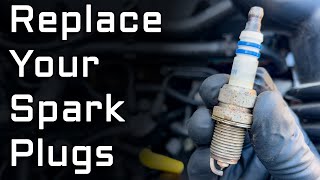
🎬 Watch this step-by-step tutorial on how to replace spark plugs.What do bad spark plugs look like?
A healthy plug will have a light tan or grayish deposit on the tip. A plug that is black and sooty may indicate the fuel mixture is too rich. If it's covered in oil, you may have an internal engine leak. A white or blistered appearance can mean the engine is running too hot or lean.
Helpful Videos
Technical Specifications
Engine Type: L-head Inline 6-cylinder Number of Plugs: 6 Recommended Plug Type: Standard Copper Core Recommended Brand: Champion Spark Plug Gap: Approximately 0.025 inches (verify with service manual)
We Have This Part in Stock

The information in this article is provided for general reference and educational purposes only. Vehicle specifications, procedures, and part compatibility can vary by production date, trim level, and region. Always consult your vehicle's factory service manual and verify part numbers before purchasing or performing repairs. Safety-critical components such as airbags, seat belts, and braking systems should be installed by a qualified professional.