

Choosing the Right Ignition Coil for Your 1948-1952 Ford F-1
Keep your classic Ford F-1 running strong with a reliable new ignition coil that matches your truck's specific electrical system.
- You MUST verify if your truck has a 6-volt or 12-volt electrical system before ordering a coil.
- Confirm if your system is positive-ground (original) or negative-ground (common conversion) to ensure correct wiring.
- Replacing the coil is a simple, DIY-friendly task that takes less than 30 minutes.
- For long-term reliability, consider trusted aftermarket brands like Standard Ignition or NGK.
Signs of a Failing Ignition Coil
A bad ignition coil can cause problems that range from annoying to leaving you stranded. Because it's responsible for creating the spark for the engine, any issues with it will directly affect how your truck runs. If you notice your engine running poorly, shaking, or vibrating, especially while idling, it could be a sign of a weak coil causing a misfire. Other common symptoms include the engine stalling, having trouble starting, a noticeable drop in power, and worse gas mileage. In some cases, you might even hear a loud pop from the exhaust, which is a backfire caused by unburned fuel igniting in the exhaust system.
The Most Important Check: 6-Volt or 12-Volt System?
Before buying a new ignition coil, you must know if your truck has its original 6-volt electrical system or if it has been converted to a more modern 12-volt system. Many of these trucks have been modified over the years. Installing a 6-volt coil on a 12-volt system will quickly burn it out, and a 12-volt coil on a 6-volt system will produce a very weak spark, if any. Check your battery or use a multimeter to confirm your system's voltage. Also, check how the coil is wired. Original 6-volt systems were often positive-ground, meaning the positive battery terminal connects to the truck's frame. A previous owner may have converted it to negative-ground. The coil must be wired correctly for the battery's polarity.
Choosing the Right Aftermarket Ignition Coil
Finding a new "OEM" ignition coil from Ford for a truck of this age is not a realistic option. The market today consists entirely of aftermarket manufacturers. The good news is that several reputable brands produce quality replacement coils that meet or exceed the original specifications. Your focus should be on choosing a quality part that matches your truck's voltage and wiring setup.
Aftermarket Brand Tiers
When shopping for a new coil, you'll find a few brands that are consistently available.
- Premium Brands (NGK, Standard Ignition): Brands like NGK and Standard Ignition (often sold as Blue Streak) have a strong reputation for quality and reliability in the ignition parts world. They are known for using quality materials and robust manufacturing processes to ensure a long service life and consistent performance. For owners who want maximum reliability and peace of mind, these brands are a top choice.
- Value Brands (Spectra): Spectra Premium offers parts that provide a good balance of quality and affordability. While some user reviews suggest occasional quality issues compared to premium brands, they are generally considered a functional replacement for daily drivers and budget-conscious repairs. They are widely available and often come with a warranty.
- Other Brands (Global Parts): You may also encounter other brands like Global Parts. These are often budget-friendly options, but less is generally known about their long-term quality and durability compared to more established brands.
Don't Forget the Ballast Resistor
Some ignition systems, especially on 12-volt conversions, use a ballast resistor. This is a small ceramic block that reduces the voltage going to the coil while the engine is running to prevent it from overheating. However, it allows a full 12 volts to the coil during startup for a stronger spark. If your system uses one, make sure your new coil is compatible with it. Some coils have an internal resistor and do not require an external one. Check your truck's specific setup to know what you need.
Estimated Replacement Costs
Replacing the ignition coil on a 1948-1952 F-1 is a straightforward job. The part itself is not expensive, and labor is minimal.
| Part/Service | Estimated Cost |
|---|---|
| New Aftermarket Ignition Coil | $23 - $40 |
| Shop Labor | $50 - $100 |
| Total Estimated Cost | $73 - $140 |
Frequently Asked Questions (FAQ)
Can I replace the ignition coil myself?
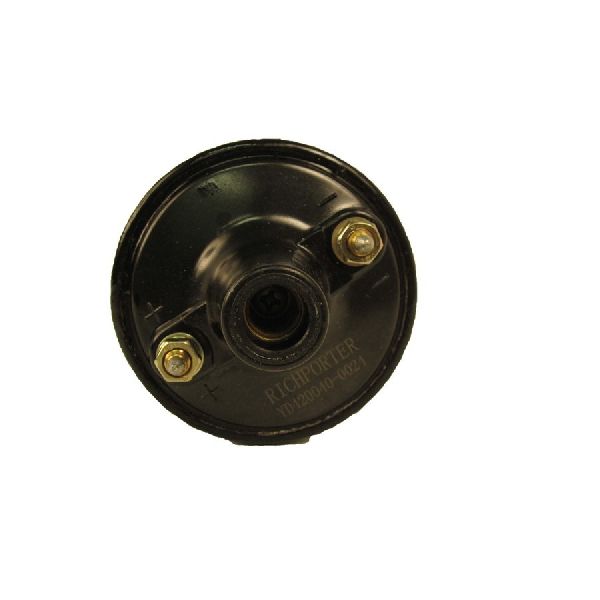
Yes, this is a very DIY-friendly job. The ignition coil is typically mounted on the engine or firewall and held by a simple bracket. It involves disconnecting the battery, unplugging two small wires and the main coil wire to the distributor, unbolting the old coil, and installing the new one in its place. The entire process usually takes less than 30 minutes.
How do I know if I need a 6-volt or 12-volt coil?
The easiest way is to check your battery. A 6-volt battery has 3 filler caps on top, while a 12-volt battery has 6. You can also use a multimeter to measure the voltage across the battery terminals. Because many of these trucks have been converted, you must verify what is in your specific truck before ordering.
What's the difference between a positive-ground and negative-ground system?
It refers to which battery terminal is connected to the vehicle's chassis (the "ground"). Original Ford F-1s had a positive-ground system, where the (+) battery terminal is bolted to the frame. Most modern cars are negative-ground. If your truck was converted to 12-volts, it was likely also converted to negative-ground. The ignition coil must be wired correctly for the polarity. For a negative-ground system, the coil's (-) terminal goes to the distributor; for a positive-ground system, the (+) terminal goes to the distributor.
Are there any recalls or technical service bulletins (TSBs) for the ignition coil?
No, searches of the National Highway Traffic Safety Administration (NHTSA) database and Ford's technical service bulletin archives show no recalls or TSBs related to the ignition coil for the 1948-1952 Ford F-1. Issues with this part are typically due to age and normal wear.
Technical Specifications
A stock 6-volt coil should have a primary resistance of around 1.1 to 1.5 ohms and a secondary resistance of approximately 4,000 to 5,000 ohms (4.0k-5.0k Ω). Aftermarket and 12-volt coils will have different specifications. Always verify compatibility with your specific system (6V/12V, internal/external resistor).
We Have This Part in Stock


The information in this article is provided for general reference and educational purposes only. Vehicle specifications, procedures, and part compatibility can vary by production date, trim level, and region. Always consult your vehicle's factory service manual and verify part numbers before purchasing or performing repairs. Safety-critical components such as airbags, seat belts, and braking systems should be installed by a qualified professional.