

1948-1950 Dodge B-1 Fan and Generator Drive Belt Guide
Keep your classic B-1 running cool and charging properly with the right V-belt.
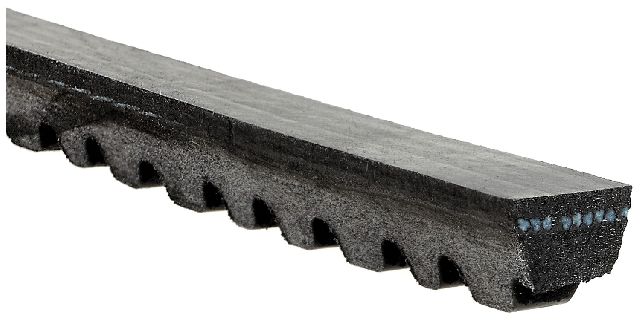
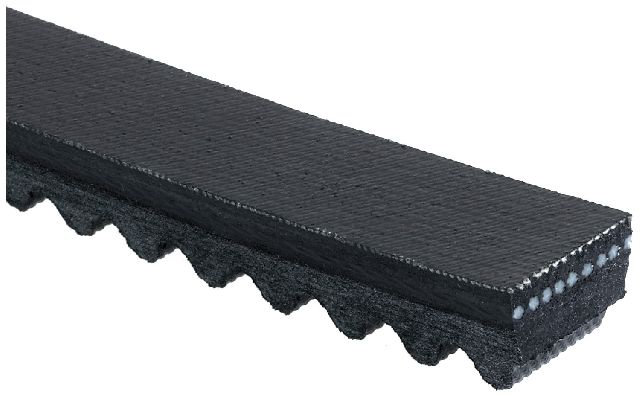
- Your truck uses a V-belt, not a modern serpentine belt, to run the fan, water pump, and generator.
- A broken belt is a critical failure that will cause the engine to overheat and stop the battery from charging.
- Modern aftermarket belts from brands like Gates are a quality upgrade over original-style rubber.
- Replacement is a simple DIY job; ensuring correct tension (about a half-inch of play) is the most important step.
Symptoms of a Failing Fan and Generator Belt
A drive belt is a standard wear item. On a classic truck like your Dodge B-1, it's important to inspect it regularly. Belts almost always give you a warning before they fail completely. Ignoring these signs can leave you stranded with an overheated engine or a dead battery.
- Squealing Noises: A high-pitched squeal when you start the engine or rev it up is the most common sign of a loose or worn belt.
- Visible Wear and Cracks: Look at the belt. If you see cracks, fraying, glazing (a shiny surface), or chunks of rubber missing, it's time for a replacement.
- Overheating Engine: If your temperature gauge starts to climb, your belt may be slipping and not turning the water pump and fan effectively. A broken belt will cause rapid overheating.
- Dimming Lights or Charging Issues: The 'GEN' light on your dash may flicker or stay on if the belt isn't spinning the generator fast enough. You might also notice your headlights seem dim.
A Note on OEM vs. Aftermarket Belts
For a vintage truck like the 1948-1950 B-1, new original equipment (OEM) belts are no longer manufactured. While you might find a New Old Stock (NOS) part, modern aftermarket belts from a quality brand like Gates are almost always a better choice. They are made with advanced EPDM rubber compounds that are far more resistant to heat, oil, and cracking than the original materials from the 1940s and 50s. Choosing a modern aftermarket belt provides superior durability and reliability.
Choosing the Right Aftermarket Belt
For your Dodge B-1, the main aftermarket brand you will find is Gates, which is known for making high-quality belts. You may also see options from Goodyear or AC Delco. The most important factor is getting the correct length. There can be small variations, so checking your existing belt or part number is a good idea. Retailers often list belts with an outside circumference (O.C.) measurement, such as 48 1/8 inches.
Pro Tip: Check Your Tension
The biggest cause of premature belt failure or noise is incorrect tension. After installing a new belt, you should be able to press down on it in the middle of its longest run and have it deflect about a half-inch. Too loose, and it will slip and squeal. Too tight, and you will put extra strain on the bearings in your generator and water pump.
Cost to Replace a 1948-1950 Dodge B-1 Drive Belt
| Part Type | Estimated Cost |
|---|---|
| New Aftermarket Belt (Gates, etc.) | $30 - $42 |
| Shop Labor | $50 - $100 |
Prices are estimates and can vary based on your location and the specific retailer. The provided aftermarket price range is $30.38 - $41.79.
Frequently Asked Questions (FAQ)
Are there any recalls or TSBs for the drive belt on my Dodge B-1?
No. There are no recalls or Technical Service Bulletins (TSBs) from the National Highway Traffic Safety Administration (NHTSA) for this part on your truck. Record-keeping systems like we have today did not exist for vehicles of this era.
Can I replace the fan and generator belt myself?
Yes, this is a very straightforward job for a DIY mechanic. It requires basic hand tools to loosen the adjustment bolt on the generator, swap the belt, and re-tension it. The entire process usually takes less than 30 minutes.
Is this a V-belt or a serpentine belt?
Your 1948-1950 Dodge B-1 uses a V-belt. Modern vehicles use a single, wide, flat serpentine belt, but your truck uses this older, simpler style of belt.
How often should I replace the belt?
It's best to inspect the belt annually for any signs of wear, such as cracks or fraying. Even if it looks good, it's a good practice to replace the belt every 5-7 years as a preventative measure, because the rubber will degrade over time.
Technical Specifications
Type: V-Belt Common Lengths (Outside Circumference): ~48 1/8" to 48 3/8" Material: EPDM Rubber (for modern replacements)
We Have This Part in Stock

The information in this article is provided for general reference and educational purposes only. Vehicle specifications, procedures, and part compatibility can vary by production date, trim level, and region. Always consult your vehicle's factory service manual and verify part numbers before purchasing or performing repairs. Safety-critical components such as airbags, seat belts, and braking systems should be installed by a qualified professional.