

Choosing the Right Spark Plugs for Your 1961-1978 Simca 1000
Keep your classic Simca's rear engine running smoothly with the right set of plugs.
- The Simca 1000 was made from 1961-1978; the years 1946-1961 are incorrect.
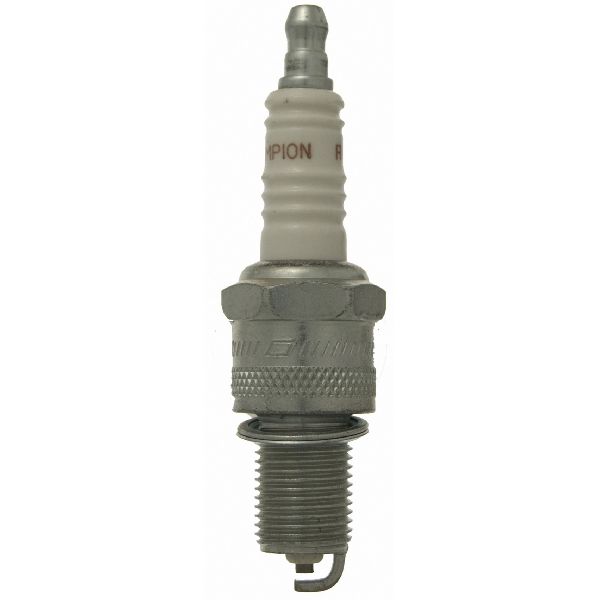
- Use standard copper-core spark plugs, such as those from Champion, as they are best suited for the original ignition system.
- Always check and set the correct spark plug gap (around 0.025 inches) before installation.
- Failing plugs cause rough idle, misfires, and hard starts; replacement is a simple and effective DIY task.
Signs of Failing Spark Plugs in Your Simca 1000
The spark plugs in your Simca are wear items, meaning they need to be replaced as part of regular maintenance. As they get old, the metal electrodes wear down, and deposits can build up. This makes it harder for them to create a good spark. You might notice a few signs that your plugs are ready for a change.
- Rough Idle: Your car may shake or vibrate more than usual when stopped.
- Engine Misfires: You might feel a hesitation or stumbling from the engine, especially when accelerating.
- Difficulty Starting: A weak spark can make it hard for the engine to fire up, especially when cold.
- Reduced Fuel Economy: If the fuel isn't burning efficiently, you'll find yourself visiting the gas station more often.
A Note on Vehicle Model Years
The Simca 1000 was produced from 1961 to 1978. The years 1946-1961 are incorrect for this model. This guide applies only to the correct 1961-1978 production years.
Choosing the Right Aftermarket Spark Plug
For a classic car like the Simca 1000, sticking to the basics is often the best approach. The original ignition system was designed for standard copper-core spark plugs. Modern plugs made of platinum or iridium, while great for new cars, are not necessary and may not perform well in your Simca's engine.
Champion is a well-known brand that has been making spark plugs for a very long time and is a suitable choice for the Simca 1000. Their standard copper plugs provide reliable performance and are a cost-effective option. When buying, the most important factors are choosing the correct thread size and heat range for your specific engine, as different Simca 1000 models had slightly different engines over the years.
Aftermarket Spark Plug Cost for Simca 1000
| Part Type | Price Range |
|---|---|
| New Aftermarket (Champion Copper) | $3.68 - $12.36 per plug |
| New OEM | Not Widely Available |
Frequently Asked Questions
How often should I change my Simca 1000's spark plugs?
For a classic car with standard copper plugs, a good interval is every 10,000 to 20,000 miles, or every few years if you don't drive it often. It's an inexpensive maintenance item that makes a big difference in performance.
What is the correct spark plug gap for a Simca 1000?
The recommended gap can vary slightly by year and engine model, but a common specification is around 0.025 inches (0.6mm). Always consult a service manual for your specific model if possible.
Can I use modern platinum or iridium plugs in my Simca?
While they might fit, it's generally not recommended. The ignition systems in classic cars like the Simca 1000 were not designed for these types of plugs. You will get the best and most reliable performance from a standard copper-core plug like the Champion Copper Plus.
Is it hard to change the spark plugs on a Simca 1000?
No, it is a very feasible DIY job. Access to the plugs on the rear-mounted engine is generally straightforward. You will need a spark plug socket, a ratchet, and a gap gauge. Some owners with modified carburetors note that access can become tight.
Technical Specifications
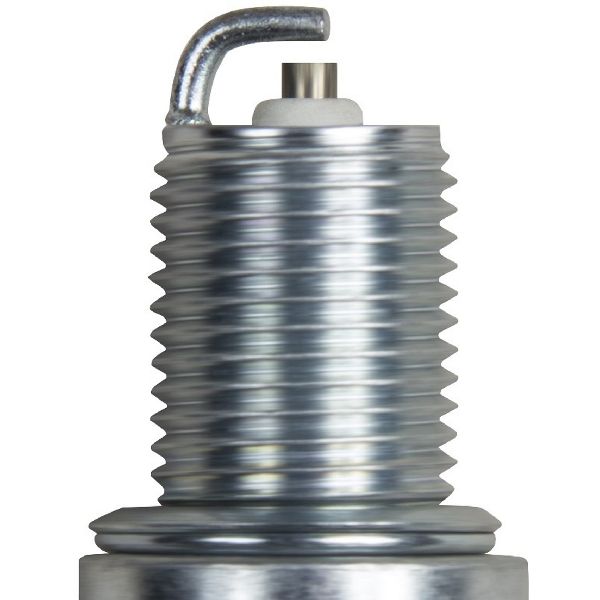
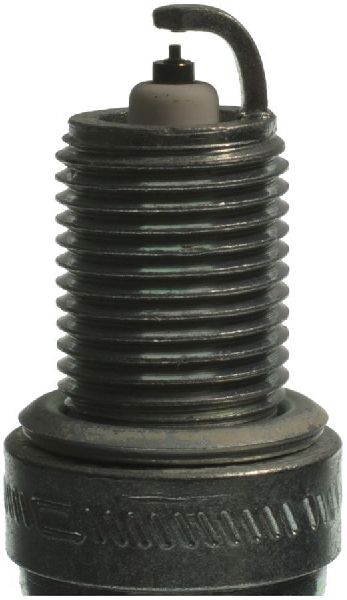
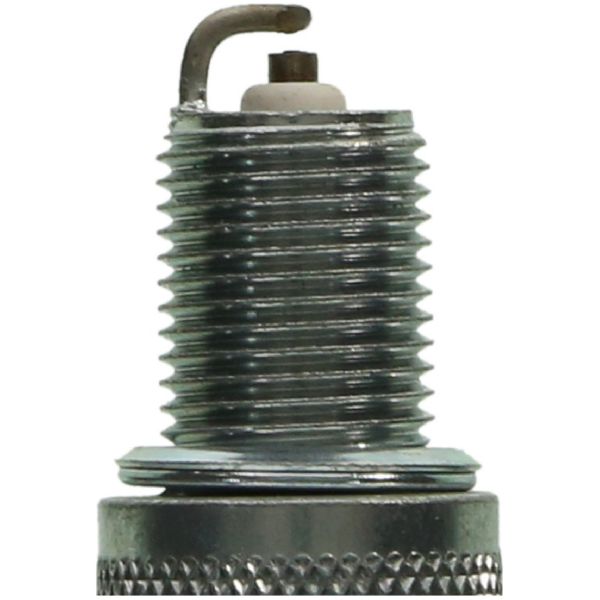
Thread Size: 14mm, Reach: 19mm (3/4"), Hex Size: 13/16", Gap: ~0.025" (0.6mm)
We Have This Part in Stock

The information in this article is provided for general reference and educational purposes only. Vehicle specifications, procedures, and part compatibility can vary by production date, trim level, and region. Always consult your vehicle's factory service manual and verify part numbers before purchasing or performing repairs. Safety-critical components such as airbags, seat belts, and braking systems should be installed by a qualified professional.