

Spark Plug Guide for the 1942-1950 Dodge WD15 Truck
Keep your classic Dodge flathead six running smoothly with the right spark plugs.
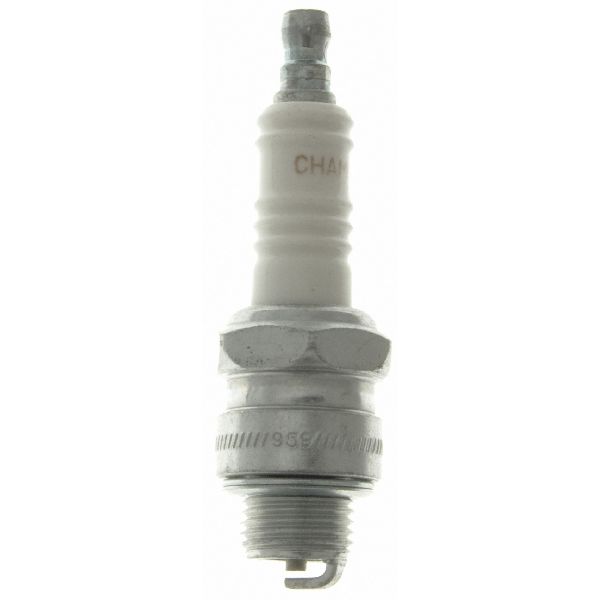
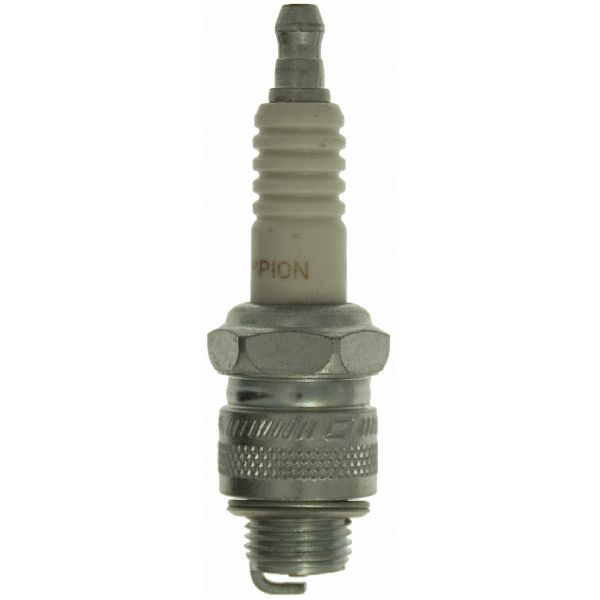
- For the 1942-1950 Dodge WD15, a standard copper spark plug like the Champion D16 is the correct choice.
- Do not use modern platinum or iridium plugs; the vintage ignition system was not designed for them.
- Always check and set the spark plug gap to .025 inches before installation for best performance with a stock ignition system.
- Replacing spark plugs is a very easy, low-cost DIY job that can significantly improve engine reliability and smoothness.
Signs of Failing Spark Plugs
On a vintage truck like the 1942-1950 Dodge WD15, you don't have a check engine light to warn you about problems. You have to pay attention to how your truck drives, sounds, and feels. Worn-out or dirty spark plugs will give you clear signs that it's time for a change.
- Hard Starting: The engine cranks for a long time before it starts, or it might not start at all.
- Rough Idle: When the truck is stopped, the engine sounds shaky and uneven. You might feel more vibration than usual.
- Engine Misfires: While driving, you might feel a jerking or hesitation as one of the cylinders fails to fire correctly.
- Poor Fuel Economy: If you find yourself visiting the gas station more often, bad spark plugs could be causing inefficient combustion.
- Sluggish Acceleration: The truck feels weak and doesn't respond as quickly when you press the gas pedal.
No Recalls or TSBs
Due to the age of the vehicle, there are no active recalls or Technical Service Bulletins (TSBs) in modern databases like the NHTSA for spark plugs on the 1942-1950 Dodge WD15. Formal recall systems as we know them were not in place during the vehicle's production run.
Choosing the Right Aftermarket Spark Plug
For a vehicle from this era, the difference between "OEM" and "aftermarket" is simple: new original equipment parts are no longer manufactured. The entire market is served by aftermarket brands. Fortunately, brands that were original suppliers, like Champion, still make the correct plugs today.
Brand & Product Tiers
For the Dodge WD15, the choice is straightforward. The available aftermarket options are designed to meet or exceed the original specifications.
- Champion (Copper Plus): This is the standard and most appropriate choice. The Champion D16 is a basic, reliable copper-core spark plug that is a direct successor to the plugs used when these trucks were new. Many owners of vintage Mopar vehicles have used them for decades. It provides a strong spark for the stock ignition system and is the best value.
Keep it Simple
Avoid modern, expensive spark plugs like platinum or iridium types for your vintage Dodge. The original ignition system was not designed for them, and they may not provide any benefit. In some cases, they can even perform worse than a standard copper plug. A basic copper plug like the Champion D16 is the correct and most effective choice.
Estimated Replacement Costs
Replacing spark plugs on a WD15 is one of the most affordable and impactful maintenance jobs you can do. The parts are inexpensive, and labor is minimal.
| Item | Estimated Cost |
|---|---|
| New Aftermarket Spark Plugs (Set of 6) | $22 - $29 |
| Shop Labor | $50 - $100 |
| Total Estimated Cost | $72 - $129 |
Note: Prices are estimates and can vary based on your location and the specific shop. This is a very easy DIY job that requires only basic tools.
Frequently Asked Questions (FAQ)
How often should I change the spark plugs?
With today's cleaner gasoline, spark plugs last longer than they used to. A good rule of thumb for a classic vehicle is to inspect them annually and plan on replacing them every 10,000 to 15,000 miles, or whenever you notice performance issues like a rough idle or hard starting.
What is the correct spark plug gap?
The gap is the small space between the center and side electrodes at the tip of the plug. For the Dodge flathead six engine with a stock ignition, a gap of .025 inches is a common and safe specification. Some sources suggest up to .035 inches, but a smaller gap is often better for older ignition systems. Always use a feeler gauge to check and set the gap before installing new plugs.
Is replacing the spark plugs a DIY job?
Yes, absolutely. The spark plugs are located on the side of the engine and are very easy to access. It typically takes less than 30 minutes for a beginner. You will need a spark plug socket, a ratchet, and a spark plug gapping tool.
Should I use anti-seize on the threads?
This is a topic of debate. Some mechanics recommend a very small amount of anti-seize on the threads to prevent them from getting stuck in the cast iron head. However, if you do, be careful not to get any on the electrode. Also, reduce your tightening torque slightly. Many new plugs have a special coating that makes anti-seize unnecessary.
Technical Specifications
Recommended Plug: Champion D16 Thread Size: 18mm Reach: 1/2" (12.7mm) Hex Size: 7/8" Gap: .025" (0.65mm) Type: Non-Resistor, Copper Core
We Have This Part in Stock

The information in this article is provided for general reference and educational purposes only. Vehicle specifications, procedures, and part compatibility can vary by production date, trim level, and region. Always consult your vehicle's factory service manual and verify part numbers before purchasing or performing repairs. Safety-critical components such as airbags, seat belts, and braking systems should be installed by a qualified professional.