

A Comprehensive Guide to Spark Plugs for the 1941 Pontiac Custom
Keep your classic Pontiac's L-head engine firing on all cylinders with the correct spark plugs.
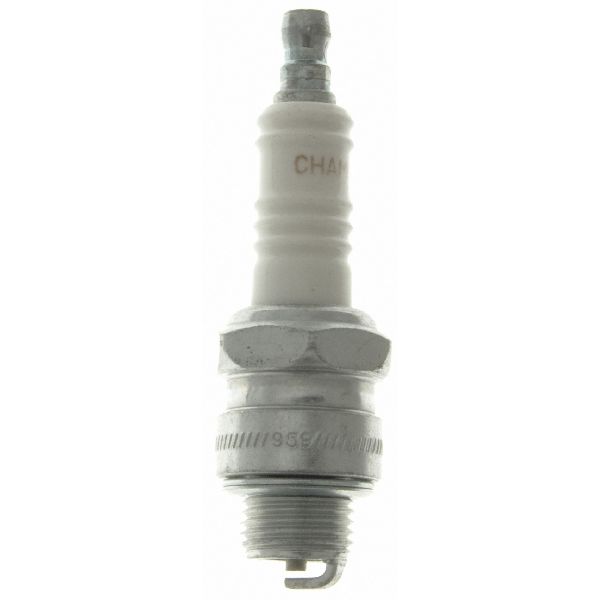
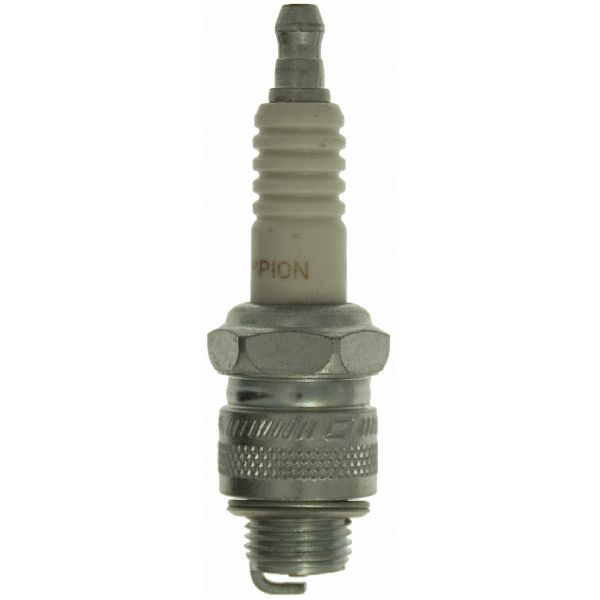
- Only use conventional copper-core spark plugs, such as the Champion RJ12C, for your 1941 Pontiac's ignition system.
- Always check and set the spark plug gap before installation. The original spec is .023"-.028", but a .035" gap is also common.
- Replacing spark plugs is an easy and inexpensive maintenance task you can do yourself to improve engine performance.
- Both AC Delco (the original supplier) and Champion are considered period-correct brands for this vehicle.
Symptoms of Failing Spark Plugs
When spark plugs wear out or become fouled with carbon or oil, they can't produce a strong, consistent spark. Because the ignition system on your 1941 Custom is straightforward, the effects of a bad plug are often felt immediately. Watch for these common signs:
- Rough Idle: The engine may shake, sputter, or run unevenly when the car is stopped.
- Hard Starting: The engine might take more cranks than usual to start, or it may fail to start altogether.
- Engine Misfires: You may feel a hesitation, stumble, or jerking sensation during acceleration as a cylinder fails to fire correctly.
- Reduced Power & Acceleration: The car can feel sluggish and may not accelerate as briskly as it should.
- Poor Fuel Economy: Inefficient combustion from a weak spark means you'll be stopping for gas more often.
Choosing the Right Aftermarket Spark Plug
For a classic vehicle like the 1941 Pontiac Custom, the idea of "OEM vs. Aftermarket" is different from modern cars. The original equipment manufacturer (OEM) was AC Delco, as it was the parts division for General Motors. However, Champion was also a major spark plug supplier in the 1940s and is considered a period-correct choice. Today, new spark plugs from either brand are considered aftermarket replacements.
Stick to Conventional Plugs
The ignition system in your 1941 Pontiac was designed for conventional, copper-core spark plugs. Do not use modern platinum or iridium plugs. These plugs require higher voltage than your stock ignition system can reliably provide and will not improve performance.
Brand Quality: Champion
Champion is a historic American brand that has been making spark plugs since 1907. Their standard copper plugs are a suitable and common choice for vintage vehicles like the Pontiac Custom. They are known for providing dependable performance for standard engines. While many classic car owners use Champion plugs with great success, some hobbyists have reported issues with modern Champions in older ignition systems, sometimes preferring to find AC Delco equivalents. Ultimately, a fresh set of properly gapped Champion copper plugs is a reliable choice for keeping your Pontiac on the road.
Cost for 1941 Pontiac Custom Spark Plugs
| Category | Price Range (Per Plug) |
|---|---|
| New Aftermarket (Champion Copper) | $3.70 - $4.69 |
| Shop Labor | $50 - $100 |
Prices are estimates and may vary based on location and supplier. Labor costs are for a full set replacement.
Always Check the Gap
Never assume a new spark plug is gapped correctly out of the box. The original specification for the 1941 Pontiac was a gap between .023" and .028". Many owners of cars with similar vintage ignition systems find that a slightly wider gap of .035" works well. Use a feeler gauge to check and set the gap before installation.
Frequently Asked Questions (FAQ)
How often should I change the spark plugs?
For a classic car with a conventional ignition system, a good interval for spark plug replacement is every 10,000 to 20,000 miles to maintain peak performance. If the car is driven infrequently, it's good practice to inspect them annually.
What is the correct spark plug gap for a 1941 Pontiac Custom?
The original factory specification is a gap between 0.023 and 0.028 inches. However, a gap of 0.035 inches is also commonly used with success in these ignition systems. Always check the gap with a feeler gauge before installing new plugs.
Are the spark plugs different for the 6-cylinder and 8-cylinder engines?
No, both the inline-6 and inline-8 engines available in 1941 typically use the same type of spark plug. The only difference is the quantity needed: six for the 6-cylinder and eight for the 8-cylinder engine.
Are there any recalls for 1941 Pontiac Custom spark plugs?
No, there are no recalls or technical service bulletins (TSBs) from the NHTSA related to spark plugs for this vehicle, which is expected for a car of this age.
Technical Specifications
OEM Part Numbers: AC 45
Thread Size: 14mm. Original Spark Plug Gap: 0.023" - 0.028". Commonly Used Gap: 0.035". Plug Type: Conventional Copper Core.
We Have This Part in Stock

The information in this article is provided for general reference and educational purposes only. Vehicle specifications, procedures, and part compatibility can vary by production date, trim level, and region. Always consult your vehicle's factory service manual and verify part numbers before purchasing or performing repairs. Safety-critical components such as airbags, seat belts, and braking systems should be installed by a qualified professional.