

Studebaker Champion Radiator Coolant Hose Guide (1939-1946)
Keep your classic Champion's engine from overheating by understanding and choosing the right radiator hoses.
- Always choose modern, molded aftermarket hoses from brands like Gates or Dayco over universal flex hoses for proper fit and flow.
- Inspect hoses regularly for cracks, bulges, or soft spots, and replace them every 4-5 years as preventative maintenance.
- When replacing one hose, it's best to replace both the upper and lower hoses and the clamps at the same time.
- Ensure the internal anti-collapse spring is transferred from the old lower hose to the new one if it's not included.
Signs of a Failing Radiator Hose
For a vintage car like the Studebaker Champion, inspecting rubber components regularly is key. A failed hose can quickly lead to engine overheating and serious damage. Look for these common symptoms:
- Coolant Leaks: Puddles of green or yellow, sweet-smelling fluid under your car are a tell-tale sign of a leak. Check the ends of the hoses and the clamps for drips or white/crusty residue.
- Visible Damage: Inspect the hoses for cracks, splits, or hardening, which can happen from age and heat exposure. Any hose that feels brittle or crunchy when squeezed needs immediate replacement.
- Bulging or Soft Spots: A hose that looks swollen or feels spongy to the touch is weak and may be close to bursting. This can be caused by oil contamination or internal deterioration.
- Engine Overheating: If your temperature gauge climbs into the hot zone, a collapsed or leaking hose could be the culprit, restricting coolant flow.
Choosing the Right Aftermarket Hose
For a 1939-1946 Studebaker, finding "New Old Stock" (NOS) OEM hoses is rare and often not ideal, as rubber degrades over decades even when unused. Modern aftermarket hoses made from materials like EPDM rubber offer superior resistance to heat, oil, and electrochemical degradation (ECD), which is an internal wear process. They are a more reliable choice for a car you intend to drive.
Molded vs. Flexible Hoses
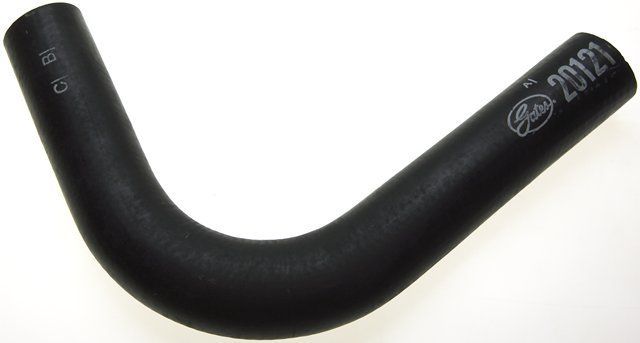
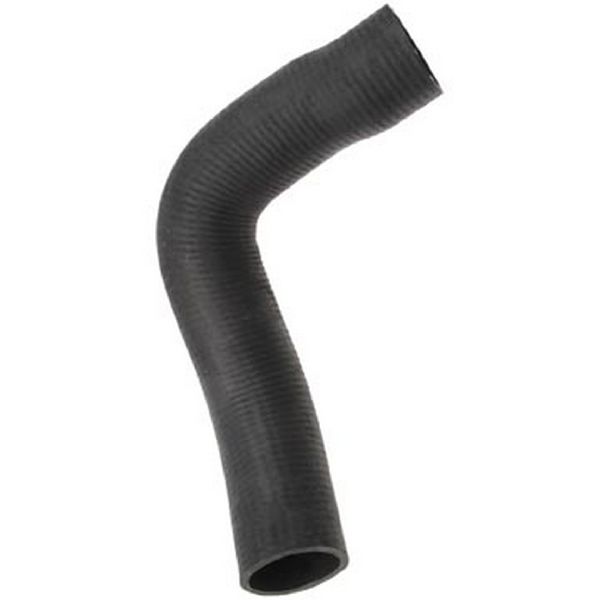
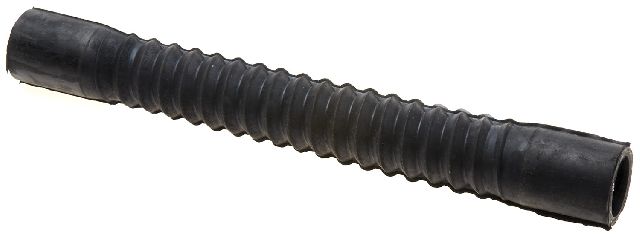
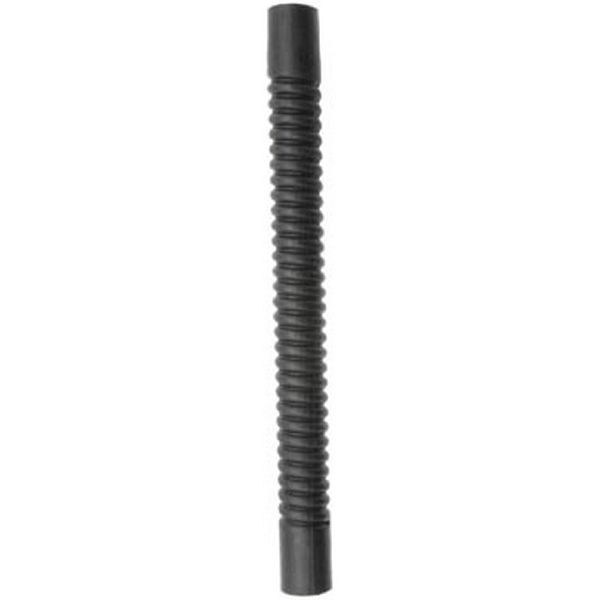
Always choose a molded hose over a universal "flex" hose. Molded hoses are specifically shaped to fit your Champion's engine bay perfectly, preventing kinks that restrict flow or rubbing against other parts that could cause damage. Universal flex hoses are only suitable for temporary, emergency repairs.
Brand Recommendations: Dayco vs. Gates
Dayco and Gates are both reputable manufacturers of aftermarket hoses. Both are considered quality replacement options for classic cars. Some mechanics note that Gates hoses can sometimes be thicker, while others have had better fitment with Dayco, so experiences can vary. Given the quality of both brands, choosing the one that is readily available and correctly cataloged for your specific year is a safe bet. You can find specific part numbers for the 1939-1946 Champion from both brands.
Estimated Part & Labor Costs
| Part Type | Estimated Cost |
|---|---|
| New Aftermarket Hoses (Dayco, Gates) | $18.00 - $44.99 |
| Shop Labor | $50 - $150 |
Pro Tip: Replace in Pairs
If one radiator hose has failed, the other is likely near the end of its life too. It is always best practice to replace the upper and lower hoses at the same time. Also, install new hose clamps with your new hoses to ensure a tight, leak-free seal.
Frequently Asked Questions (FAQ)
How often should I replace the radiator hoses on my Champion?
Even if they look fine, it's a good preventative measure to replace radiator hoses every 4 to 5 years. Rubber degrades over time from the inside out, and for a classic vehicle, staying ahead of maintenance is crucial to avoid being stranded.
Is a modern hose better than an original Studebaker hose?
Yes. Modern hoses are made from advanced rubber compounds like EPDM that are far more durable and resistant to heat, oil, and internal degradation than the rubber used in the 1940s. An 80-year-old original hose, even if it's NOS, is a risk.
Does my lower hose need an internal spring?
Yes, for many classic cars, the lower radiator hose requires an internal spring to prevent it from collapsing under suction from the water pump, especially at higher RPMs. Many new aftermarket hoses do not come with this spring, so you may need to carefully remove the spring from your old hose and install it in the new one.
Can I replace the hoses myself? 🎬 Watch a complete guide on overhauling a Studebaker cooling system.
Yes, this is a straightforward job for a DIY mechanic. The process involves draining the coolant, using pliers or a screwdriver to remove the old clamps and hoses, and then fitting the new hoses and clamps before refilling the system with fresh coolant. Ensure the engine is completely cool before starting.
Helpful Videos

Technical Specifications
OEM Part Numbers: 128270 (Upper)
The cooling system on the 1939-1946 Studebaker Champion is a non-pressurized or very low-pressure system, vented to the atmosphere. Hoses are typically made of EPDM rubber. The upper hose (Part No. 128270) may also fit other Studebaker models and trucks, sometimes requiring trimming to fit.
We Have This Part in Stock

The information in this article is provided for general reference and educational purposes only. Vehicle specifications, procedures, and part compatibility can vary by production date, trim level, and region. Always consult your vehicle's factory service manual and verify part numbers before purchasing or performing repairs. Safety-critical components such as airbags, seat belts, and braking systems should be installed by a qualified professional.