

Accessory Drive Belt Guide for the 1939-1943 Studebaker Champion
Understand the simple but vital V-belts that keep your classic Studebaker's engine running.
- Your Champion uses a V-belt system, not a modern serpentine belt, to drive the fan and generator.
- A squealing noise is the most common sign of a worn or loose belt that needs attention.
- A broken belt will cause the engine to overheat and the battery to stop charging, requiring an immediate stop.
- Modern aftermarket belts from brands like Gates are superior in quality and durability to 80-year-old New Old Stock (NOS) parts.
Understanding Your Champion's Belts
Your 1939-1943 Studebaker Champion uses a simple and reliable V-belt system. Unlike modern cars with a single, wide serpentine belt, your vehicle likely has at least one V-belt that drives the fan and generator. This belt sits in a V-shaped groove on the engine's pulleys. Its job is critical: it keeps the engine cool and the electrical system charging. Regular inspection is key to preventing unexpected breakdowns.
Symptoms of a Failing Accessory Drive Belt
Spotting a failing belt on your Champion is straightforward. Listen for these warning signs and look for visual clues:
- Squealing Noises: A high-pitched squeal, especially on startup or when accelerating, is the most common symptom. This is often caused by a loose or glazed (hardened and shiny) belt that is slipping on the pulleys. Using a spray bottle with water on the belt can help diagnose the issue; if the noise changes, it's likely a belt or pulley issue.
- Visible Wear and Damage: Regularly inspect the belt for cracks, fraying, or missing chunks of rubber. A belt with visible damage should be replaced immediately, even if it isn't making noise.
- Overheating Engine: If the belt driving the water pump breaks, the coolant will stop circulating. This will cause the engine temperature to rise rapidly, which can lead to serious engine damage.
- Generator/Battery Light: A lit generator or ammeter showing a discharge indicates the generator is no longer spinning, meaning the battery isn't being charged. This is a clear sign the belt has either broken or is slipping badly.
A Note on OEM vs. Aftermarket Belts
For a vehicle as old as the 1939-1943 Champion, true "Original Equipment Manufacturer" (OEM) parts from Studebaker are no longer produced. You might find "New Old Stock" (NOS) parts, which are original parts that were never sold. However, rubber degrades over time, and an 80-year-old NOS belt may not be reliable. Modern aftermarket belts from a reputable brand like Gates are manufactured with superior, modern rubber compounds that are more resistant to heat and oil, offering better performance and a longer lifespan.
Choosing the Right Aftermarket Belt
For this specific vehicle, the market is limited. The key is to choose a quality brand known for its materials.
- Brand: Gates is a well-known and respected manufacturer of automotive belts. Their products are designed to meet or exceed original specifications and are a reliable choice for keeping your classic on the road.
| Part | Type | Estimated Cost |
|---|---|---|
| Accessory Drive Belt | New Aftermarket (Gates) | $28.72 |
| Accessory Drive Belt | New Old Stock (NOS) | Varies widely, not recommended |
| Shop Labor | Installation | $100 - $200 |
Pro Tip: When replacing a belt, check the pulleys for any wobble or roughness when spun by hand. A bad bearing in a generator or water pump can destroy a new belt quickly. Also, ensure the pulleys are clean and free of oil or grease.
Frequently Asked Questions (FAQ)
Can I replace the accessory drive belt myself?
Yes, on a 1939-1943 Champion, this is a very feasible DIY job for someone with basic mechanical skills. The engine bay is open, and access is generally good. The process involves loosening the generator mounting bolts to create slack, removing the old belt, fitting the new one, and then re-tensioning the belt by pulling the generator back before tightening the bolts.
How do I know if the new belt is tight enough?
The belt should be snug, but not overly tight. Overtightening can cause premature wear on the bearings in the water pump and generator. A general rule of thumb is that you should be able to twist the belt about a quarter-turn (90 degrees) by hand at its longest span. It should not feel loose or sloppy.
What happens if the belt breaks while I'm driving?
If the belt breaks, the water pump and generator will stop working immediately. The engine will begin to overheat, and the battery will stop charging. You should pull over safely as soon as possible and shut off the engine to prevent severe damage like a blown head gasket.
Are there any recalls or technical bulletins for this part?
No. There are no NHTSA recalls or manufacturer Technical Service Bulletins (TSBs) for the accessory drive belts on the 1939-1943 Studebaker Champion. The NHTSA was not established until 1970, and modern-style bulletins were not a practice for vehicles of this era.
Technical Specifications
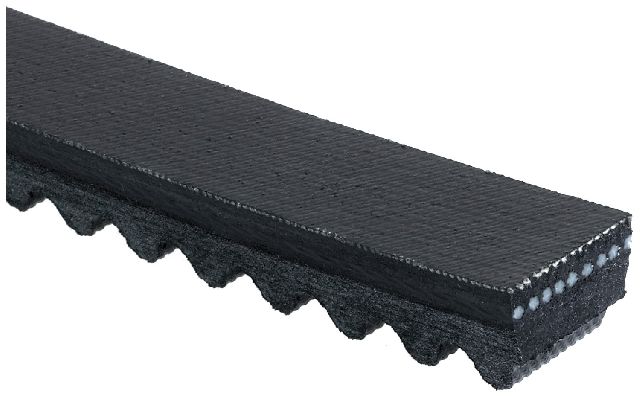
The 1939-1943 Studebaker Champion uses a V-belt to drive the fan and generator. The specific part is a Gates TR22380, which is a V-belt designed for this application.
We Have This Part in Stock

The information in this article is provided for general reference and educational purposes only. Vehicle specifications, procedures, and part compatibility can vary by production date, trim level, and region. Always consult your vehicle's factory service manual and verify part numbers before purchasing or performing repairs. Safety-critical components such as airbags, seat belts, and braking systems should be installed by a qualified professional.