

Brake Hydraulic Hose Guide for 1938-1943 Studebaker Commander
Ensure your classic Studebaker's brakes are safe and reliable by understanding when and how to replace your brake hoses.
- Brake hoses are a critical safety part; do not drive if you suspect a failure.
- For a vehicle this old, modern aftermarket hoses are a safety and reliability upgrade over original-style parts.
- Always replace all flexible brake hoses on the vehicle at the same time.
- Inspect hoses regularly for cracks, leaks, and bulges as part of routine maintenance.
Signs of a Failing Brake Hose
For a vehicle from the pre-war era, inspecting brake components regularly is essential for safety. The original-style rubber hoses are now over 80 years old and prone to failure. Modern replacement hoses offer superior materials, but they still require inspection. Look for these warning signs:
- Spongy or Soft Brake Pedal: If the pedal feels mushy or goes closer to the floor than usual, it could mean a hose is bulging or expanding under pressure instead of transferring that pressure to the brakes.
- Visible Cracks or Damage: Check the hoses for cracks, splits, or chafing. Any visible damage means the hose is compromised and should be replaced immediately.
- Brake Fluid Leaks: Look for wet spots around the hose fittings or along the hose itself. Leaking fluid leads to a loss of braking pressure and is extremely dangerous.
- Brakes Sticking or Dragging: An old hose can collapse internally, acting like a one-way valve. This can trap hydraulic pressure, causing a brake to drag or not release after you've taken your foot off the pedal.
Brake System Warning
Any issues with your brake system should be addressed immediately. A failing brake hose can lead to a complete loss of braking ability. Do not drive your Commander if you suspect a brake hose has failed.
Choosing the Right Aftermarket Hose
For a 1938-1943 Studebaker Commander, finding New Old Stock (NOS) OEM parts is nearly impossible, and even if found, the rubber would be too old to be safe. The aftermarket is your only reliable source for new brake hoses. Fortunately, modern aftermarket hoses are manufactured to meet or exceed original specifications and are made with materials that are more resistant to degradation from brake fluid and the elements.
Available Brands:
When shopping for your Commander, you will likely encounter the following brands:
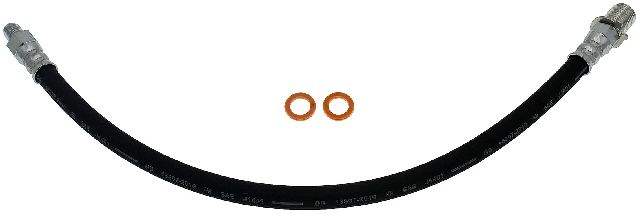
- Dorman: A widely recognized aftermarket brand that produces a vast range of parts. Their brake hoses are generally considered a reliable, standard replacement part. Sometimes, Dorman may re-box hoses made by other manufacturers like Sunsong.
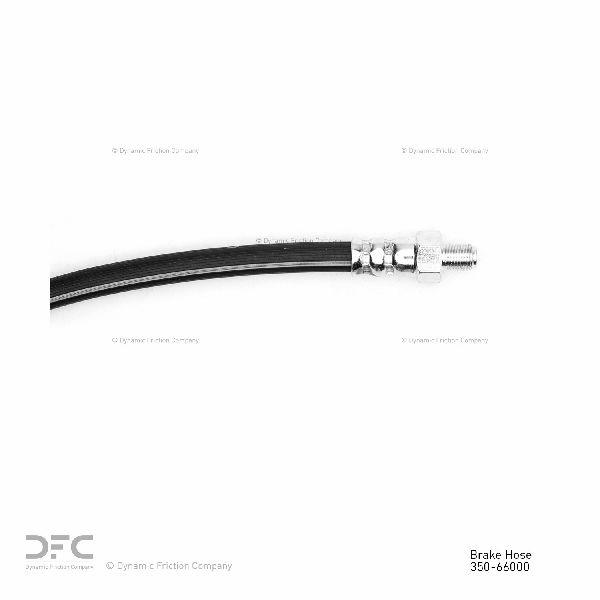
- Dynamic Friction: This brand specializes in brake components. They offer quality replacement parts that are designed to meet factory fit and function.
- Sunsong: Often available at a lower price point, Sunsong is a large manufacturer that produces brake hoses for many other brands, including some OE applications. They are generally considered a quality, budget-friendly option that meets all necessary safety standards.
Pro Tip: For a standard rubber replacement, the performance difference between these brands will be negligible. All are required to meet DOT safety standards. The most important factors are ensuring the hose has the correct length and fittings for your specific year and model. Given the age of the vehicle, it's wise to replace all flexible brake hoses (front and rear) at the same time to ensure uniform performance and safety.
Estimated Replacement Costs
The cost for new aftermarket brake hoses is very reasonable. Since OEM parts are not available new, and used hoses should never be installed, aftermarket is the only viable option.
| Part Type | Estimated Cost | Notes |
|---|---|---|
| New Aftermarket Hose | $12.49 - $21.33 (per hose) | Price for a single hose. Your vehicle has multiple. |
| Shop Labor | $75 - $150 | Per hose, includes installation and bleeding the brake system. |
| New OEM | Not Available | NOS parts would be unsafe due to age. |
| Used OEM | Not Recommended | Never install a used rubber brake hose. It is a major safety risk. |
Frequently Asked Questions (FAQ)
Do I need to replace all brake hoses at once?
Yes, it is highly recommended. If one hose has failed due to age, the others are likely in similar condition. Replacing them all ensures the entire hydraulic system is safe and provides peace of mind.
Are the front and rear hoses the same?
Not always. Depending on the exact year and configuration, the front and rear hoses may have different lengths or fittings. A 1938 Commander, for example, may use the same hose for front and rear (Part No. 185015), while later models might have different requirements. Always verify the part numbers for your specific vehicle.
What else should I replace when changing brake hoses?
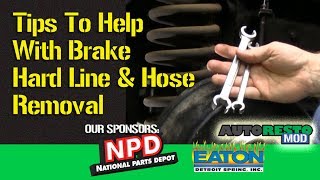
When you replace the hoses, you will need to bleed the brake system, so it's the perfect time to flush all the old brake fluid and replace it with new, clean fluid. You should also inspect the steel brake lines for rust or damage, especially at the fittings where they connect to the hose, as these can be easily damaged during removal if seized. 🎬 Learn tips for removing stubborn brake lines on classic cars. Also, check the wheel cylinders for any leaks.
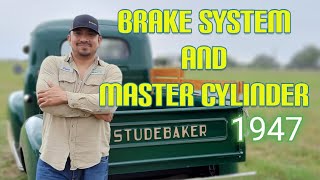
🎬 Watch a detailed explanation of the Studebaker brake system.Can I upgrade to stainless steel braided hoses?
Yes. While less common for stock restorations, stainless steel braided hoses are available. They offer a firmer pedal feel because they expand less under pressure and provide superior protection against physical damage. However, for a stock Commander used for normal driving, standard rubber hoses that meet DOT specifications are perfectly adequate and safe.
Helpful Videos
Technical Specifications
OEM Part Numbers: 185015 195568 526184
Flexible rubber hose with threaded metal fittings. Meets or exceeds DOT and SAE J1401 standards. Vehicle-specific length and fittings are required for proper installation.
We Have This Part in Stock


The information in this article is provided for general reference and educational purposes only. Vehicle specifications, procedures, and part compatibility can vary by production date, trim level, and region. Always consult your vehicle's factory service manual and verify part numbers before purchasing or performing repairs. Safety-critical components such as airbags, seat belts, and braking systems should be installed by a qualified professional.