

Spark Plug Replacement for the 1938 Nash Deluxe
Keep your classic Nash running smoothly with the right set of spark plugs.
- For a 1938 Nash Deluxe, stick with standard copper-core spark plugs from a reputable brand like Champion.
- Avoid modern platinum or iridium plugs, as they are not designed for your vehicle's vintage ignition system.
- Always check and adjust the spark plug gap before installation; a common setting for this era is around .025 to .032 inches.
- Symptoms like rough idle, hard starting, and engine misfires are strong indicators that your spark plugs may need inspection or replacement.
Symptoms of Failing Spark Plugs
On a vintage car like the 1938 Nash Deluxe, the signs of a spark plug problem are usually very clear. Because these vehicles use a simple ignition system without modern electronics, they are very sensitive to the condition of the plugs. Watch for these common symptoms:
- Hard Starting: If the engine turns over but has trouble starting, weak or dirty plugs could be the reason.
- Rough Idle: An engine that shakes, sputters, or runs unevenly when stopped often points to one or more spark plugs being fouled with carbon or oil.
- Engine Misfires: You might feel a hesitation or stumble from the engine, especially when accelerating. This is often a plug that is not firing correctly in its cylinder.
- Reduced Power: Worn-out plugs create a weak spark, which leads to the fuel not burning completely. This can make the engine feel sluggish and less powerful.
Choosing the Right Aftermarket Spark Plugs
For a vehicle from the 1930s, the line between "OEM" and "aftermarket" is blurry. Original parts are no longer manufactured. Brands like Champion, which were likely original equipment, are now considered aftermarket suppliers. The key is to choose the correct type of spark plug for your vintage ignition system.
Brand Assessment:
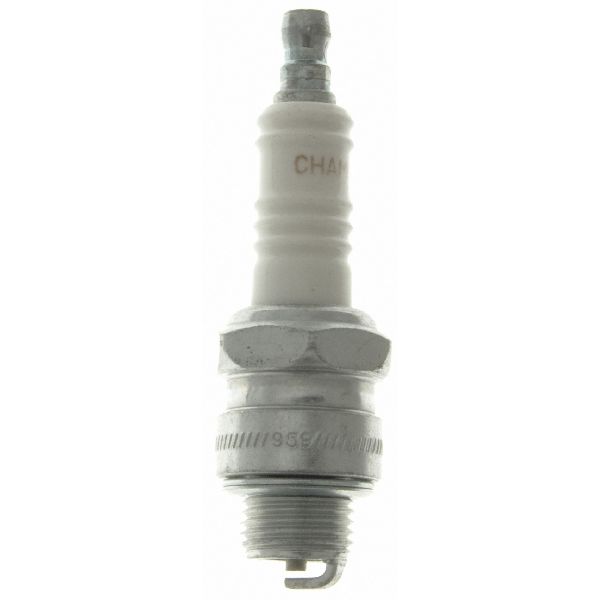
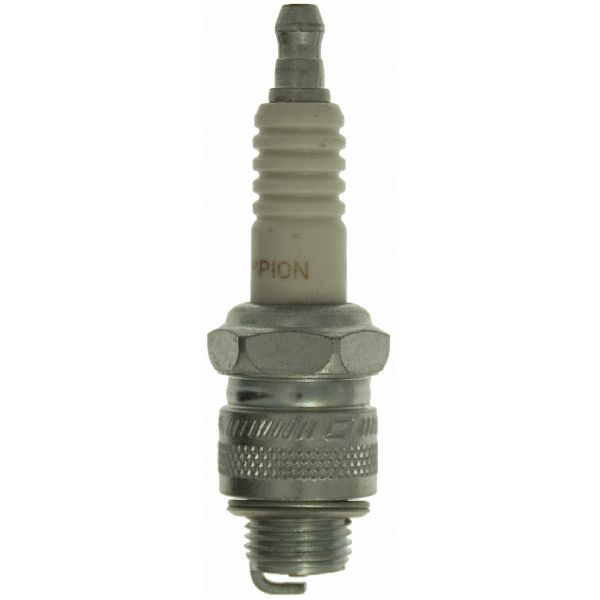
Champion: Champion is a historically accurate and reliable choice for your Nash Deluxe. Their standard copper core spark plugs are designed for the ignition systems used in the 1930s. It is important to avoid modern spark plugs, such as those with platinum or iridium tips. These are made for high-energy electronic ignition systems and may not perform well in your classic engine.
Aftermarket Spark Plug Cost
| Brand Tier | Price Range (per plug) |
|---|---|
| Standard Replacement (Champion) | $3.70 - $4.69 |
Pro Tip: Check the Gap
Always check the spark plug gap before installation. While a gap of .025 inches is a common specification for cars of this era, some sources suggest a gap of .032" may have been specified for 1938 models. Use a feeler gauge to measure and adjust the gap on each new plug to match your vehicle's requirements. Never assume the plugs are correctly gapped out of the box.
Known Issues, Recalls, or TSBs
There are no recalls or Technical Service Bulletins (TSBs) on file with the National Highway Traffic Safety Administration (NHTSA) for spark plugs on the 1938 Nash Deluxe. This is expected for a vehicle of this age, as modern record-keeping systems were not in place. Some Nash engines of the era featured a "Twin Ignition" system with two spark plugs per cylinder, but the standard Deluxe model used a single plug per cylinder.
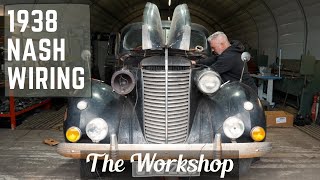
🎬 See a 1938 Nash project car undergoing an ignition system rewire.Frequently Asked Questions (FAQ)
How often should I change the spark plugs on my 1938 Nash?
For vintage cars, it's best to inspect spark plugs annually or every few thousand miles. Unlike modern cars that can go 100,000 miles, the ignition systems and fuel of the 1930s required more frequent service. Replace them when the electrodes show significant wear or they are consistently fouled with oil or carbon.
What is a spark plug gap and why is it important?
The spark plug gap is the small space between the center and side electrodes. The spark must jump this gap to ignite the fuel. If the gap is too small, the spark may be weak. If it's too large, the spark may fail to jump, causing a misfire. Setting the correct gap is a critical step for proper engine performance.
Are modern platinum or iridium spark plugs better for my Nash?
No. You should use standard copper-core spark plugs. Modern plugs are designed for high-energy, computer-controlled ignition systems. The ignition system in your 1938 Nash was designed for copper plugs, and using other types can lead to poor performance.
Do I need special tools to change my spark plugs?
You will need a spark plug socket that fits your plugs, a ratchet, and a spark plug gap gauge. On some older engines, the spark plugs can be recessed, which may require a thin-walled socket to reach them properly.
Helpful Videos
Technical Specifications
Engine: Inline 6-cylinder L-Head. Recommended Plug Type: Conventional Copper Core. Recommended Spark Plug Gap: ~0.025 - 0.032 inches.
We Have This Part in Stock

The information in this article is provided for general reference and educational purposes only. Vehicle specifications, procedures, and part compatibility can vary by production date, trim level, and region. Always consult your vehicle's factory service manual and verify part numbers before purchasing or performing repairs. Safety-critical components such as airbags, seat belts, and braking systems should be installed by a qualified professional.