

1936-1940 Buick Special 40 Brake Light Switch Guide
Keep your classic Buick's brake lights working correctly by understanding this simple but vital part.
- The 1936-40 Buick Special uses a hydraulic pressure switch, not a modern mechanical one.
- Failure means your brake lights won't work, which is a critical safety hazard.
- New aftermarket parts from a brand like Standard Ignition are the most practical and reliable option.
- Replacing the switch requires bleeding the brakes afterward to ensure they function safely.
Understanding the Brake Light Switch in Your Classic Buick
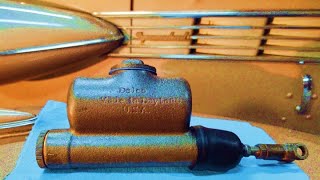
For American cars made from the 1930s to the 1960s, the brake lights were typically activated by a hydraulic switch. This switch is screwed directly into the brake master cylinder or a junction in the brake line. 🎬 See a 1938 Buick master cylinder and brake system walkthrough. When you step on the brakes, the hydraulic fluid pressure increases, which triggers the switch and completes the electrical circuit to the brake lights. The switch for a 1936-1940 Buick uses a 1/8-inch pipe thread fitting and has two screw terminals for the wires. This design is straightforward but can be a point of failure over time.
Symptoms of a Failing Brake Light Switch
A bad brake light switch is a serious safety issue. If it fails, drivers behind you won't know you are stopping. Common symptoms are easy to spot.
- Brake Lights Don't Turn On: This is the most common and dangerous symptom. The internal components of the switch can wear out and fail to make an electrical connection.
- Brake Lights Stay On: Less common, but the switch can fail in the 'on' position, leaving your brake lights constantly lit. This can drain your battery and confuse other drivers.
- Delayed or Flickering Lights: Sometimes a failing switch requires a lot of pedal pressure to activate, causing a dangerous delay before your lights come on. It might also cause the lights to flicker as the internal connection struggles to stay complete.
Choosing the Right Aftermarket Part
For a vehicle from the 1930s, finding a "new" original equipment (OEM) part from General Motors is nearly impossible. The market consists of New Old Stock (NOS), used original parts, and new aftermarket reproductions.
OEM vs. Aftermarket
An original GM part from the 1930s is not an option from a dealer. You might find a NOS part at a swap meet, but its rubber internal seals may be dried out from age. A used part is also a gamble. New aftermarket parts from a reputable brand are often the most reliable and available choice. Standard Ignition is a long-standing aftermarket manufacturer with a generally good reputation for producing quality replacement parts for American vehicles. For vintage applications, their parts are considered a dependable option.
Typical Costs for Replacement
Replacing the brake light switch is an affordable repair. The main cost is the part itself, as labor is minimal.
| Part Type | Cost Range |
|---|---|
| New Aftermarket (Standard Ignition) | $15.52 - $38.97 |
| New Old Stock (NOS) OEM | Highly Variable, if found |
| Shop Labor | $50 - $100 |
A Note on Installation
Replacing the switch is usually simple. It unscrews from the master cylinder or brake line. However, opening the hydraulic system will introduce air. After replacing the switch, you must bleed the brakes to remove all air from the lines to ensure your brakes work safely. If you are not comfortable bleeding brakes, have a professional mechanic perform this repair.
Frequently Asked Questions
Are there any recalls for this part?
No. There are no official NHTSA recalls or Technical Service Bulletins (TSBs) for the brake light switch on a 1936-1940 Buick Special 40. Vehicle safety recall systems were not in place for vehicles of this age.
Is this a difficult part to replace myself?
The replacement itself is easy for a DIY mechanic. The switch simply unscrews. 🎬 Watch this step-by-step guide on how to replace the switch. The challenge is that you will need to bleed the brakes afterward to remove air from the system, which is critical for safety. If you have never bled brakes before, it is best to watch a guide or have a mechanic help.
Why do my brake lights come on late?
This is a classic sign of a failing hydraulic switch. Over time, the internal diaphragm can become stiff, requiring more hydraulic pressure (a harder push on the pedal) to activate the lights. Replacing the switch should solve this problem.
Will a new switch fix my dim brake lights?
Probably not. A brake light switch is an on/off device; it either completes the circuit or it doesn't. Dim lights are usually caused by other electrical issues, such as a poor ground connection at the taillight housing, corroded sockets, or problems with the vehicle's overall electrical system.
Helpful Videos
Technical Specifications
OEM Part Numbers: 1316600
Hydraulic pressure activated, 1/8-inch pipe thread, two screw-on wire terminals.
We Have This Part in Stock


The information in this article is provided for general reference and educational purposes only. Vehicle specifications, procedures, and part compatibility can vary by production date, trim level, and region. Always consult your vehicle's factory service manual and verify part numbers before purchasing or performing repairs. Safety-critical components such as airbags, seat belts, and braking systems should be installed by a qualified professional.