

A Guide to Spark Plugs for the 1936 Packard Model 1400
Keep your classic Packard's straight-eight engine running smoothly with the correct set of spark plugs.
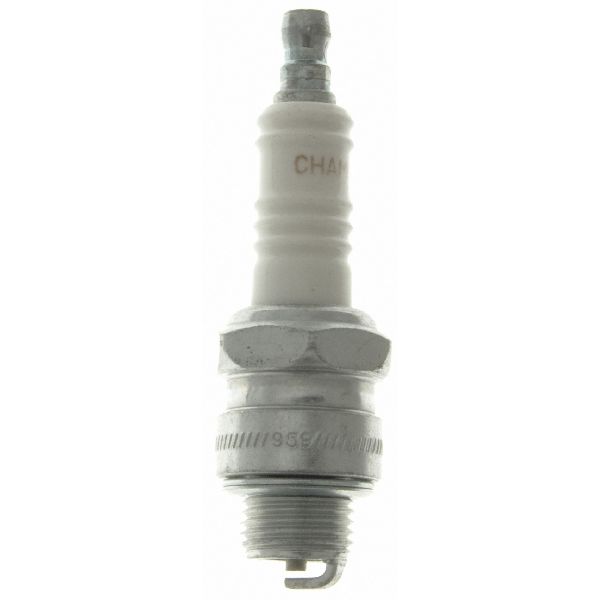
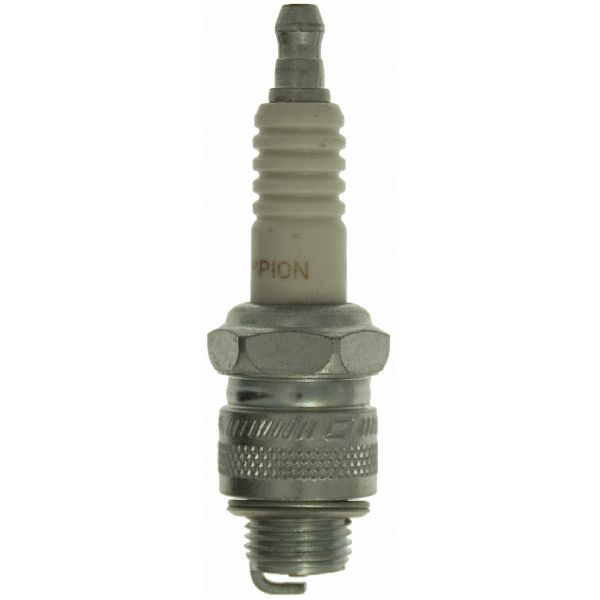
- The 1936 Packard Model 1400 requires eight 14mm spark plugs; Champion was an original brand.
- Stick to standard copper-core spark plugs; avoid modern platinum or iridium types which are not compatible with the 6-volt ignition system.
- Set the spark plug gap to between 0.025" and 0.030" for best performance with the stock ignition.
- Replacing spark plugs is an easy, low-cost maintenance task that you can do yourself in under an hour.
Symptoms of Failing Spark Plugs
Worn or fouled spark plugs can cause noticeable problems in your Packard's engine. Because these classic engines are sensitive to ignition quality, a bad plug can make a big difference in how the car drives. Look out for these common signs:
- Rough Idle: The engine may shake or sound uneven when the car is stopped. This is often one of the first signs of a fouled or failing spark plug.
- Engine Misfire: You might feel the engine hesitate or stumble during acceleration. A misfire means one of the cylinders isn't firing correctly.
- Difficulty Starting: Weak or worn plugs have a harder time creating a strong spark, especially on a 6-volt system. This can be more noticeable when the engine is warm.
- Reduced Power and Fuel Economy: If the plugs aren't firing efficiently, your engine won't produce full power, and you'll burn more fuel than necessary.
Choosing the Right Aftermarket Spark Plug
For a vintage vehicle like the 1936 Packard, the concept of "OEM vs. Aftermarket" is different. Packard, the original manufacturer, is no longer in business. The brands that were original equipment in the 1930s, like Champion and AC, are now considered aftermarket suppliers. The key is to choose a plug that matches the original specifications for your engine.
Spark Plug Brand Comparison
| Brand Tier | Brand(s) | Quality & Performance Notes |
|---|---|---|
| Recommended / Heritage | Champion | Champion was an original equipment supplier for Packard in the 1930s. Modern Champion Copper Plus plugs are readily available and are considered a reliable, correct-style replacement that maintains the engine's original performance characteristics. They are designed to resist fouling and provide dependable performance in these engines. |
| Other Options | Autolite, NGK | Many Packard owners in forums also report excellent results with Autolite plugs, sometimes favored for their appearance or specific performance. NGK is another quality manufacturer that produces plugs suitable for classic cars. When choosing these brands, it's crucial to cross-reference the part number to ensure it matches the heat range and physical dimensions of the original Champion or AC plug. |
Pro Tip: Stick with Copper
Your Packard's ignition system was designed for standard copper-core spark plugs. Avoid modern platinum or iridium plugs. These plugs require higher voltage to fire, which your car's original 6-volt system and coil may not provide reliably. Sticking with copper plugs is the best way to ensure consistent performance.
Known Issues, Recalls, or TSBs
For a 1936 vehicle, there are no formal recalls or Technical Service Bulletins (TSBs) in the modern sense. However, through owner forums and restoration stories, some common themes emerge:
- Hard Starting When Hot: Some owners report difficulty starting the engine when it's warm. While this can be caused by several issues, including vapor lock or battery cable resistance, ensuring your spark plugs are in good condition and properly gapped is a crucial first step.
- Ignition System Sensitivity: The 6-volt positive ground system is sensitive to voltage drops. A spark plug with too wide a gap requires more voltage to fire, which can strain the coil and make starting difficult.
- Distributor Wear: A common issue on high-mileage engines is wear in the distributor shaft bushing. This can cause the point gap to vary, leading to a misfire that can be mistaken for a spark plug problem.
Cost to Replace Spark Plugs
Replacing the spark plugs on a 1936 Packard 1400 is a straightforward and affordable maintenance item.
| Part Type | Price Range (Set of 8) |
|---|---|
| New Aftermarket (Champion) | $29 - $38 |
| Shop Labor | $50 - $100 |
Frequently Asked Questions (FAQ)
What is the correct spark plug for my 1936 Packard Model 1400?
The 1936 Packard 120 (which includes the Model 1400) used a 14mm spark plug. Original part numbers were often Champion J6 or AC-K7. A modern Champion Copper Plus plug is a suitable and widely used replacement.
What should the spark plug gap be?
For a stock ignition system, a spark plug gap between 0.025" and 0.030" is a safe and effective starting point. Always use a wire-style gapping tool to check and adjust each new plug before installation.
Can I use modern iridium or platinum spark plugs?
No, it is not recommended. Your Packard's original ignition system is designed for standard copper plugs. Platinum and iridium plugs have different electrical requirements and may not perform well with the stock 6-volt coil and system.
How often should I change the spark plugs?
For a classic car using standard copper plugs, a good interval is every 10,000 miles or every few years, whichever comes first. Given the age of the vehicle and the importance of reliable ignition, regular inspection is more important than mileage.
Is this a difficult job to do myself?
No, this is a very easy job for a DIY mechanic. The spark plugs on the Packard straight-eight engine are easily accessible on the side of the engine block. The job requires only basic tools and should take less than an hour.
Technical Specifications
OEM Part Numbers: Champion J6 AC-K7
Thread Size: 14mm Hex Size: Varies by brand, typically 5/8" or larger Seat Type: Gasket Gap: 0.025" - 0.030" Engine: 282 cu in L-head inline eight
We Have This Part in Stock

The information in this article is provided for general reference and educational purposes only. Vehicle specifications, procedures, and part compatibility can vary by production date, trim level, and region. Always consult your vehicle's factory service manual and verify part numbers before purchasing or performing repairs. Safety-critical components such as airbags, seat belts, and braking systems should be installed by a qualified professional.