

Spark Plug Guide for the 1935 Packard Model 1201
Keep your classic Packard's straight-eight engine running smoothly with the right spark plugs.
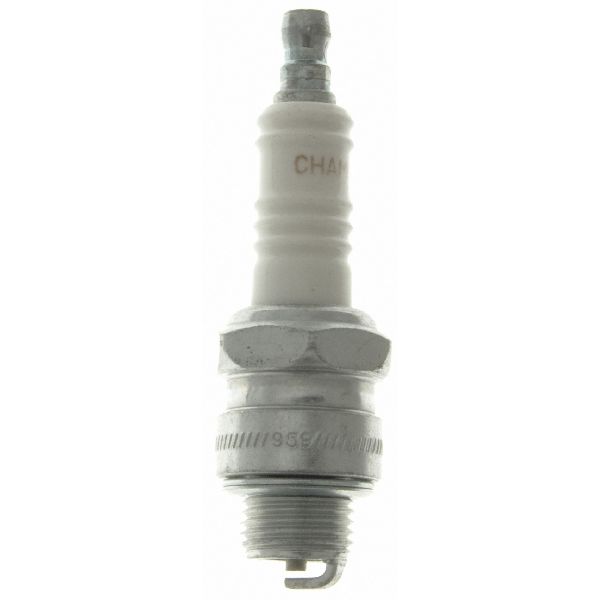
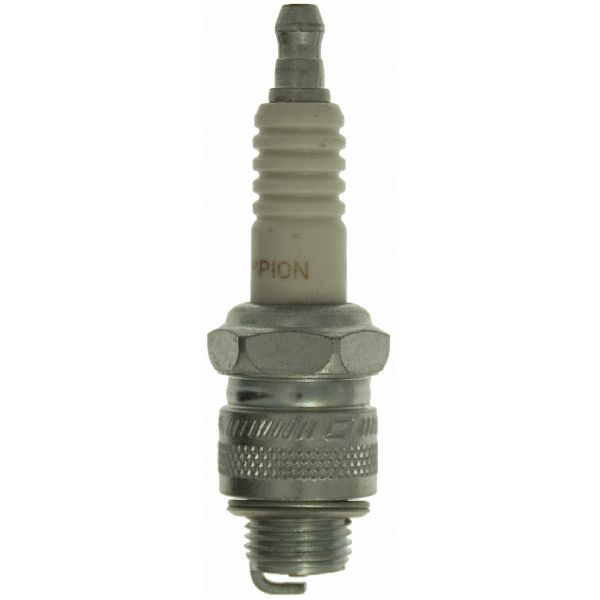
- Your 1935 Packard 1201 requires eight standard, non-resistor, copper-core spark plugs.
- Avoid modern platinum or iridium plugs, as they are not compatible with the vehicle's original ignition system.
- Champion is a historically appropriate brand, but ensure you get the correct non-resistor type.
- Set the spark plug gap to approximately 0.025 inches before installation using a feeler gauge.
Signs of Failing Spark Plugs
On a vintage engine like the one in your 1935 Packard, the symptoms of a bad spark plug are usually easy to notice. The simpler ignition system is very sensitive to the condition of the plugs. Watch for these common signs:
- Hard Starting: If the engine turns over but won't start, or struggles to, weak or fouled plugs are a common cause.
- Engine Misfires or Stalling: You might feel the engine stumble or hesitate, especially under load, like when going up a hill. In some cases, the car may stall and be difficult to restart.
- Rough Idle: An engine that shakes or runs unevenly when the car is stopped often points to one or more plugs being fouled with carbon or oil.
- Reduced Power: Worn-out plugs create a weak spark, which leads to poor fuel combustion. This makes the engine feel sluggish and less powerful.
Is It the Plugs or Something Else?
Many symptoms of bad spark plugs can also be caused by other ignition components, like the points, condenser, or coil. On a vehicle of this age, it's wise to inspect the entire ignition system. A common issue is plug fouling due to an overly rich fuel mixture from the carburetor or improper use of the choke. If new plugs foul quickly, the carburetor may need adjustment.
Choosing the Right Aftermarket Spark Plugs
For a classic vehicle like the 1935 Packard 1201, original factory parts are no longer produced. All new spark plugs are technically "aftermarket." The goal is to find a modern plug that matches the original specifications.
OEM vs. Aftermarket Quality: The key is choosing the correct type of plug. Your Packard's ignition system was designed for standard, non-resistor, copper-core spark plugs. Modern plugs with precious metals like platinum or iridium are not suitable and will not perform well. Champion was a common original equipment supplier for cars of this era, and a modern Champion copper plug is a reliable and appropriate choice. Some owners in classic car forums report mixed experiences with modern Champion plugs, while others use them without issue; an alternative often mentioned is Autolite.
What is a Non-Resistor Plug?
Vintage ignition systems were designed to use non-resistor spark plugs. These plugs allow the full, uninterrupted flow of electricity to create a spark. Resistor plugs were introduced later to suppress radio frequency interference that could cause static in a car's radio. Using resistor plugs in an ignition system not designed for them can lead to a weak spark and poor engine performance.
| Part Type | Price Range (Per Plug) | Notes |
|---|---|---|
| New Aftermarket (Recommended) | $3.70 - $4.69 | Champion copper-core plugs are readily available and match the original technology. This is the recommended choice. |
| New OEM | Not Available | Original Packard-branded spark plugs from 1935 are no longer manufactured. |
| Used OEM / New Old Stock (NOS) | Varies | Not recommended for a wearable part. NOS plugs can be very expensive and may not be reliable due to age. |
Frequently Asked Questions (FAQ)
What is the correct spark plug gap for a 1935 Packard?
For vintage engines of this era, a common spark plug gap is around 0.025 inches. However, some sources suggest gaps up to 0.030 inches may be acceptable, especially with a strong ignition coil. It is always best to set the gap with a feeler gauge before installation.
How many spark plugs does my 1935 Packard 1201 need?
Your Packard Model 1201 has a straight-eight engine, which requires a total of eight spark plugs, one for each cylinder.
Why do my new spark plugs get dirty so quickly?
If your plugs are quickly covered in black, sooty carbon, it's a sign of fouling. This is often caused by a fuel mixture that is too rich or excessive use of the choke. It could also indicate a weak spark from other ignition components or using a plug with the wrong heat range.
What is a spark plug's "heat range"?
The heat range refers to how quickly the plug dissipates heat. A "hot" plug is used in engines that run cooler to help burn off carbon deposits, while a "cold" plug is for high-performance engines that run hotter. Using the wrong heat range can lead to fouling (too cold) or engine damage from pre-ignition (too hot). It's important to use the heat range specified for your vehicle.
Technical Specifications
Engine: Straight-8 Plug Quantity: 8 Type: Non-resistor, Copper Core Gap: ~0.025 inches
We Have This Part in Stock

The information in this article is provided for general reference and educational purposes only. Vehicle specifications, procedures, and part compatibility can vary by production date, trim level, and region. Always consult your vehicle's factory service manual and verify part numbers before purchasing or performing repairs. Safety-critical components such as airbags, seat belts, and braking systems should be installed by a qualified professional.