

1934-1940 Studebaker Commander Radiator Coolant Hose Guide
Keep your classic Commander's engine cool and reliable with the right radiator hoses.
- Modern aftermarket hoses from brands like Dayco are more durable and reliable than original or New Old Stock (NOS) parts for your Commander.
- Always replace radiator hoses if they are cracked, swollen, or feel spongy; this prevents overheating and potential engine damage.
- It is best practice to replace both upper and lower hoses at the same time, along with the hose clamps.
- No official recalls or technical service bulletins (TSBs) exist for this part on a 1934-1940 Studebaker Commander due to its age.
Signs of a Failing Radiator Hose
For a vintage vehicle like a 1934-1940 Studebaker Commander, regular inspection of rubber components is essential. Radiator hoses are not designed to last forever and will break down over time. Look for these common symptoms of a bad hose:
- Coolant Leaks: Puddles of green or yellow fluid under your car are a sure sign of a leak. Check where the hoses connect to the radiator and engine, as clamps can loosen over time.
- Visible Damage: Look for cracks, splits, or abrasions on the hose surface. Hoses that are hardened, brittle, or have soft, spongy spots need immediate replacement.
- Bulging or Swelling: A hose that looks swollen or ballooned, especially near the ends, is weak and may be close to bursting. This can be caused by oil contamination or internal degradation.
- Engine Overheating: If your temperature gauge climbs into the red, a failing hose could be the cause. A collapsed lower hose can restrict coolant flow, or a leak can cause a loss of coolant.
A Note on Original vs. Aftermarket Hoses
Finding a New Old Stock (NOS) OEM radiator hose for a pre-war Studebaker is highly unlikely. Even if you find one, rubber deteriorates over decades, and an old NOS hose could be brittle and unreliable. Modern aftermarket hoses, like those from Dayco, are made with advanced EPDM rubber compounds that resist heat, ozone, and chemical breakdown far better than the original materials. For reliability and safety, a new aftermarket hose is the superior choice.
Choosing the Right Aftermarket Hose
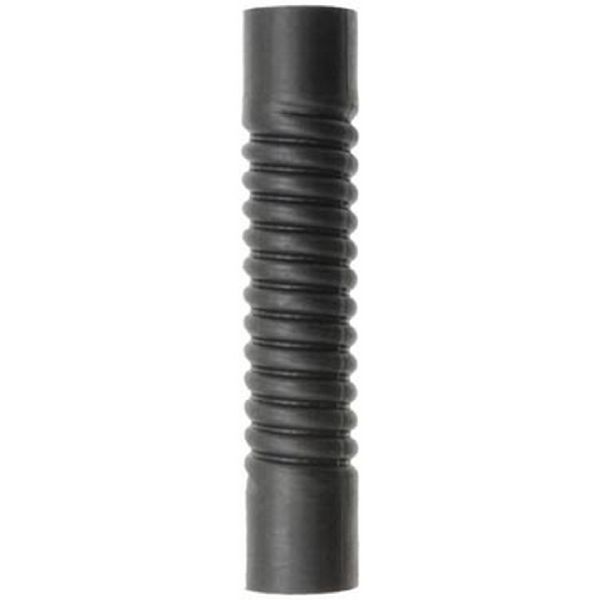
For the 1934-1940 Commander, your options will likely be universal or flexible-fit hoses rather than pre-molded ones.
- Dayco: Dayco is a well-known aftermarket brand that produces flexible radiator hoses suitable for a wide range of classic cars. These hoses are designed to be durable and can be bent to fit your specific application without kinking. While some users in forums for other vehicles note that flexible hoses can be stiff, they are a reliable solution when exact molded hoses are unavailable.
Pro Tip: When replacing your hoses, always install new hose clamps. The old ones can lose their tension or corrode, leading to leaks. Also, take a picture of the old hose routing before you remove it to ensure the new one is installed correctly and doesn't rub against other engine parts.
Estimated Replacement Costs
The cost to replace a radiator hose on a classic vehicle can vary based on whether you do it yourself or hire a specialist.
| Part Type | Estimated Cost |
|---|---|
| New Aftermarket Hose (Dayco) | $22.35 |
| New OEM / NOS Hose | Not readily available |
| Shop Labor | $100 - $200 |
Frequently Asked Questions
Are modern aftermarket hoses better than the originals?
Yes. Modern hoses are made from synthetic EPDM rubber, which is much more resistant to heat, oil, and degradation than the original rubber used in the 1930s and 1940s. They provide a longer and more reliable service life.
How often should I replace the radiator hoses on my Commander?
For a classic car that is driven regularly, it's a good practice to inspect the hoses annually and consider replacing them every 4-5 years as a preventative measure, regardless of their appearance.
Do I need a special type of coolant?
For this era of vehicle, a conventional IAT (Inorganic Additive Technology) coolant, often green in color, is typically recommended. Avoid modern OAT (Organic Acid Technology) coolants like Dex-Cool, as they can be incompatible with the metals in older radiator and engine systems.
Can I replace just one bad hose?
You can, but it's highly recommended to replace both the upper and lower radiator hoses at the same time. If one hose has failed due to age, the other is likely not far behind. It's inexpensive preventative maintenance that can save you from being stranded later.
Technical Specifications
For the 1934-1940 Studebaker Commander, radiator hoses are not typically available as pre-molded parts. You will likely need to use a universal or flexible hose, such as those made by Dayco, and cut it to the proper length. It is critical to measure the required inner diameter for both the radiator and engine connections. For example, some applications may require different diameters on each end. Always compare the new hose to the old one before installation to ensure proper fitment.
We Have This Part in Stock

The information in this article is provided for general reference and educational purposes only. Vehicle specifications, procedures, and part compatibility can vary by production date, trim level, and region. Always consult your vehicle's factory service manual and verify part numbers before purchasing or performing repairs. Safety-critical components such as airbags, seat belts, and braking systems should be installed by a qualified professional.