

A Guide to Spark Plugs for the 1933 Packard Model 1006 Twelve
Keep your classic V-12 engine running smoothly with the correct modern replacement spark plugs.
- The 1933 Packard Model 1006 requires 12 spark plugs.
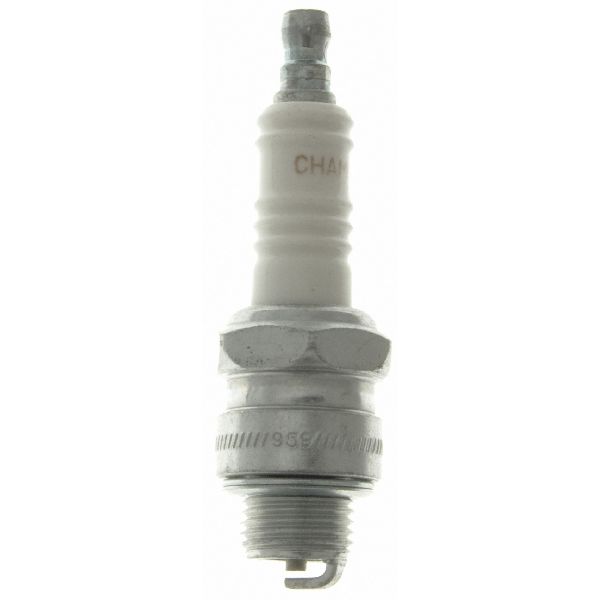
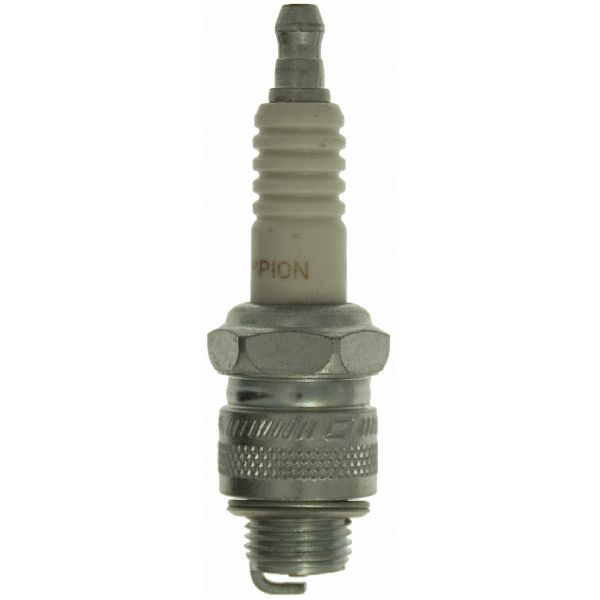
- Use a modern equivalent like a Champion Copper Plus spark plug.
- Before installation, verify the spark plug gap is set between 0.025 and 0.028 inches.
- Replacing spark plugs is a simple and inexpensive maintenance task you can do yourself.
Symptoms of Failing Spark Plugs
The spark plugs in your Packard Twelve are wear items. Over time, the electrodes can wear down or become covered in deposits. When this happens, you may notice several signs that it's time for a replacement.
- Rough Idle: If one or more plugs aren't firing correctly, the engine may shake or vibrate noticeably when the car is stopped.
- Difficulty Starting: Worn plugs have a harder time creating a strong spark, which can make the engine difficult to start, especially when cold.
- Engine Misfires: You might feel a hesitation or stumble from the engine during acceleration. This is often caused by a weak or inconsistent spark.
- Reduced Power and Fuel Economy: An engine with failing spark plugs doesn't burn fuel efficiently. This leads to a noticeable loss of power and will require you to fill up the gas tank more often.
Choosing the Right Aftermarket Spark Plugs
For a 1933 vehicle, original equipment manufacturer (OEM) parts are no longer produced. All new spark plugs available today are modern, aftermarket replacements. The key is to choose a plug that is the correct equivalent for your engine's needs.
Brand Focus: Champion
Champion is a brand with a long history and was often used as original equipment in vehicles from this era. Modern Champion Copper Plus spark plugs are an excellent choice for the Packard Twelve engine. They are designed to work well in older, lower-compression engines and resist fouling. Avoid using modern platinum or iridium plugs, as they are designed for high-energy ignition systems and may not perform well in your classic Packard.
Check The Gap
Always check the spark plug gap before installation. Even new plugs can be dropped or mishandled during shipping, causing the gap to close. Based on data for similar Packard engines, a gap between 0.025 and 0.028 inches is recommended. Use a feeler gauge or a gapping tool to ensure the measurement is precise.
Cost of New Spark Plugs (1933 Packard Model 1006)
Your Packard Twelve requires a full set of 12 spark plugs. The cost for individual aftermarket plugs is very reasonable.
| Part Type | Price Range (Per Plug) |
|---|---|
| New Aftermarket (Champion) | $3.70 - $4.69 |
| New OEM | Not Available |
Frequently Asked Questions
How often should I change the spark plugs?
For a classic car like the 1933 Packard, it's good practice to inspect the spark plugs annually. Given the low cost, replacing them every 1-2 years or every few thousand miles is a wise and inexpensive part of regular maintenance, even if they don't show heavy wear.
Is replacing spark plugs a DIY job?
Yes, for most owners this is a very straightforward task. The large engine bay of the Packard Twelve provides good access to the spark plugs. You will need a spark plug socket, a ratchet, and an extension. Always thread the new plugs in by hand first to avoid cross-threading.
What do my old spark plugs tell me?
The condition of your old plugs can tell you a lot about your engine's health. Plugs that are black and sooty may indicate a rich fuel mixture. Plugs that are white or blistered could mean the engine is running too hot or lean. Oily plugs can be a sign of internal engine wear.
Do I need resistor or non-resistor plugs?
This depends on your ignition system and whether you have a radio. Resistor plugs were developed to reduce radio frequency interference (RFI) that causes static in AM radios. If you are aiming for originality and do not have a radio, non-resistor plugs are fine. If you experience radio static, resistor plugs can help.
Technical Specifications
Engine: 7.3L (445.5 cu in) V-12 Number of Spark Plugs: 12 Recommended Brand: Champion Recommended Type: Copper Core Recommended Gap: 0.025" - 0.028"
We Have This Part in Stock

The information in this article is provided for general reference and educational purposes only. Vehicle specifications, procedures, and part compatibility can vary by production date, trim level, and region. Always consult your vehicle's factory service manual and verify part numbers before purchasing or performing repairs. Safety-critical components such as airbags, seat belts, and braking systems should be installed by a qualified professional.