

1933 DeSoto Model SD Spark Plug Replacement and Selection Guide
Keep your DeSoto's classic flathead six-cylinder engine running smoothly with the right spark plugs.
- Use standard copper-core spark plugs from a reputable brand like Champion; do not use modern platinum or iridium plugs.
- The correct spark plug gap is critical for performance; a gap of 0.025 inches is the recommended setting.
- Symptoms of failure include rough idle, engine misfires, hard starting, and poor acceleration.
- Replacing spark plugs is a simple and inexpensive maintenance task that most owners can perform themselves.
Signs of Failing Spark Plugs
On a vintage car like the 1933 DeSoto SD, you don't have a check engine light. You must rely on what you see, hear, and feel. Worn or fouled spark plugs will give clear signs that they need attention.
| Symptom | Description |
|---|---|
| Hard Starting | The engine cranks over for a long time before it starts, or it may fail to start at all. This can be worse in cold or damp weather. |
| Rough Idle | When the car is stopped, the engine sounds uneven, shaky, or vibrates more than usual. A steady rhythm is a sign of a healthy engine. |
| Engine Misfires | You might feel a stumble, hesitation, or jerking sensation while driving. This happens when a cylinder fails to fire because of a weak or missing spark. |
| Poor Acceleration | The car feels sluggish and doesn't respond with its usual power when you press the accelerator pedal. |
| Increased Fuel Consumption | If you find yourself needing to fill the gas tank more often, inefficient combustion from bad plugs could be the culprit. |
Choosing the Right Aftermarket Spark Plug
For a vehicle from the 1930s, the difference between "OEM" and "aftermarket" parts is not a major concern. Original parts are no longer made. Instead, you should choose parts from reputable brands that have been making components for these engines for decades. For the DeSoto Model SD, aftermarket is the only option, and quality is excellent from the right brands.
Don't Use Modern Plugs
Avoid using modern platinum or iridium spark plugs. The ignition system on your DeSoto was designed for standard copper-core spark plugs. Modern plugs require a higher-energy ignition system to work correctly and will not provide any benefit; in fact, they may perform worse.
Brand Focus: Champion
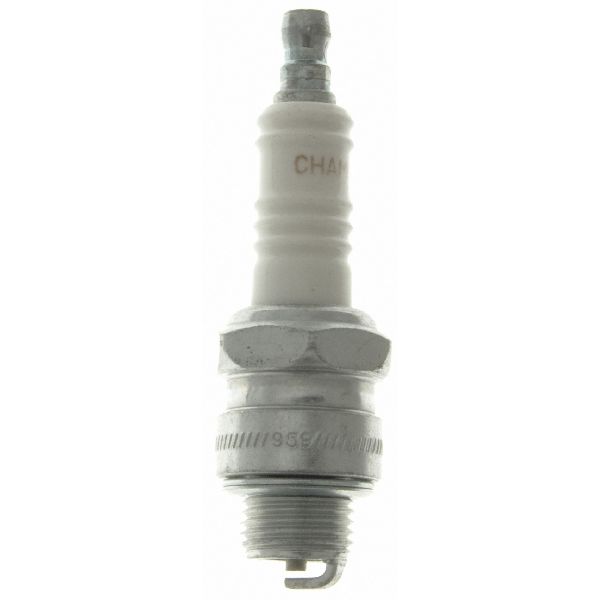
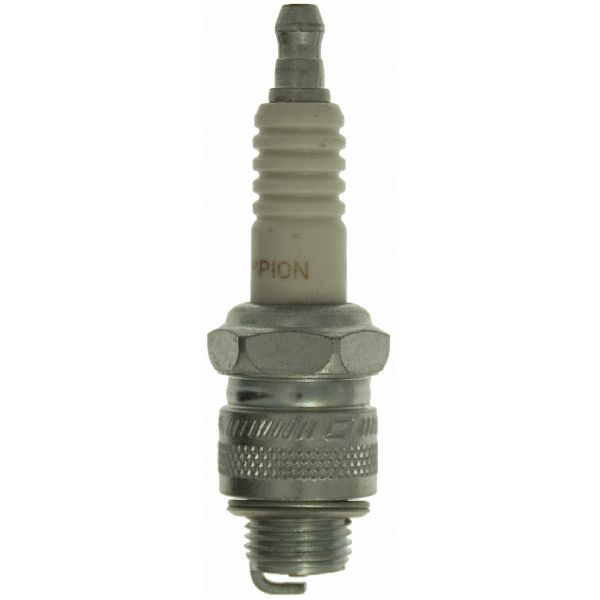
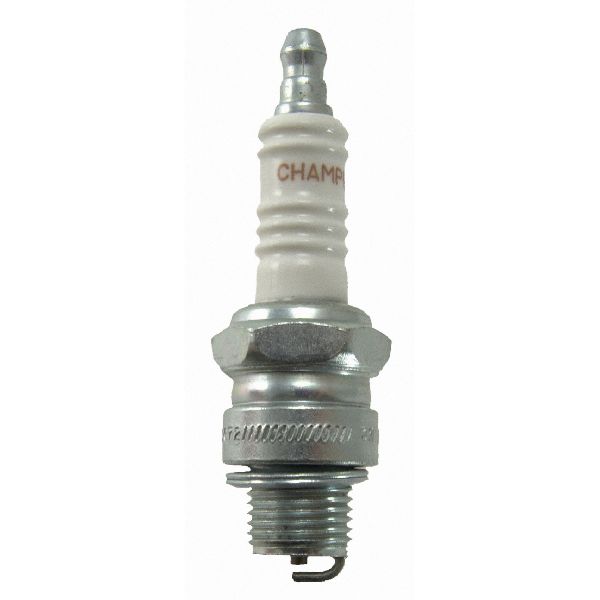
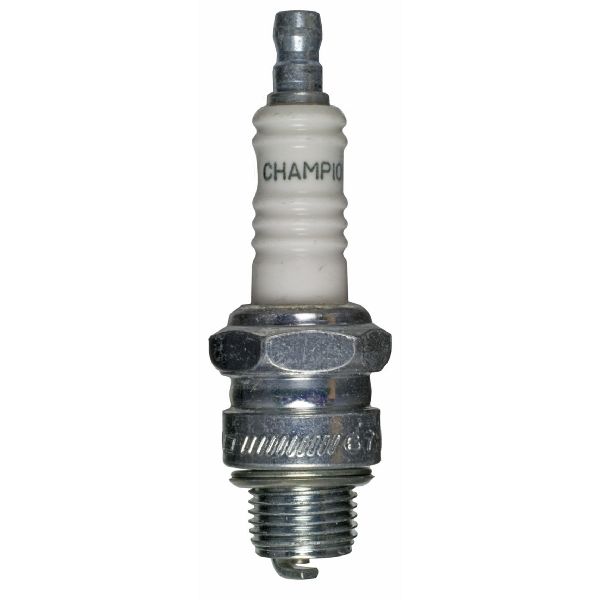
Champion is a historic American brand that has been a leader in spark plug manufacturing for over a century. It is highly likely that Champion was an original equipment supplier for Chrysler-built vehicles in this era. Their standard copper plugs are a reliable and appropriate choice for the DeSoto's flathead engine, providing performance that matches the original ignition system's design. The Champion Copper Plus is a widely available and suitable option.
Check The Gap
The most critical step is setting the correct spark plug gap. An incorrect gap can cause misfires and poor performance. For the 1933 DeSoto SD, a common specification is a gap of 0.025 inches. Always use a feeler gauge to check and adjust the gap on each new plug before installation.
Known Issues
There are no recalls, technical service bulletins (TSBs), or widespread factory issues for a vehicle of this age. Maintenance and repair information comes from vintage service manuals and the collective knowledge of classic car owners. The ignition system is simple and reliable by design.
Frequently Asked Questions (FAQ)
How often should I change the spark plugs on my 1933 DeSoto?
In the 1930s, plugs were changed frequently. With today's cleaner gasoline, plugs last much longer. A good practice is to inspect them annually for wear and carbon buildup. Replace them every few years or as needed based on their condition and engine performance.
Is a resistor-type spark plug necessary?
Some sources list a resistor-type plug, such as the Champion RH10C. Resistor plugs were developed to reduce radio frequency interference that could cause static in the car's radio. If you do not have a radio or are not concerned about static, a non-resistor plug will also work fine. The key is correct heat range and physical dimensions.
What do the different numbers on a spark plug mean?
The numbers and letters on a spark plug identify its specifications, such as thread size, reach (length of the threaded part), and heat range. It is crucial to use a plug that matches the original specifications to ensure it fits correctly and operates at the right temperature. For example, the plugs for this engine should have a 14mm thread diameter and a 9.5mm reach.
Can I clean and reuse old spark plugs?
While it was common practice in the past to clean spark plugs with a wire brush or by sandblasting, it is not recommended today. Cleaning can damage the insulator and electrode, leading to poor performance. With new, affordable plugs available, replacement is always the better option.
Technical Specifications
{ "Engine Type": "217.8 cu. in. L-head 6-cylinder", "Ignition System": "6-Volt Distributor and Coil", "Recommended Plug Type": "Standard Copper Core", "Recommended Brand": "Champion", "Spark Plug Gap": "0.025 inches", "Thread Diameter": "14mm", "Thread Reach": "9.5mm" }
We Have This Part in Stock

The information in this article is provided for general reference and educational purposes only. Vehicle specifications, procedures, and part compatibility can vary by production date, trim level, and region. Always consult your vehicle's factory service manual and verify part numbers before purchasing or performing repairs. Safety-critical components such as airbags, seat belts, and braking systems should be installed by a qualified professional.