

Spark Plug Guide for the 1932 Nash Series 980
Keep your straight-eight engine running smoothly with the right set of spark plugs.
- Your 1932 Nash Series 980 requires eight spark plugs.
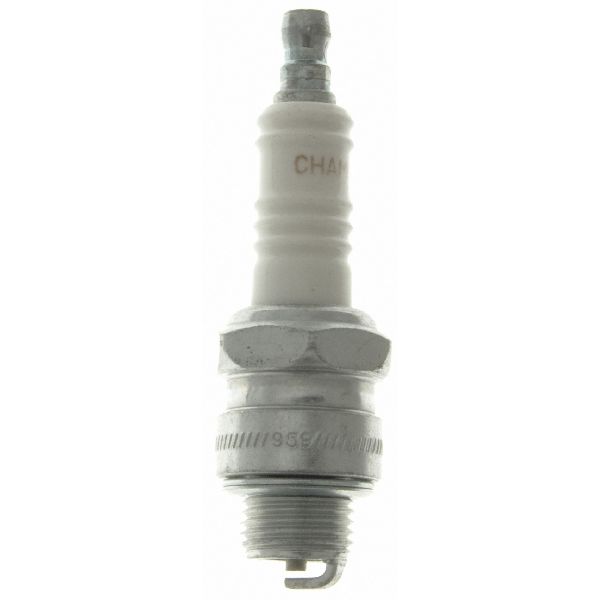
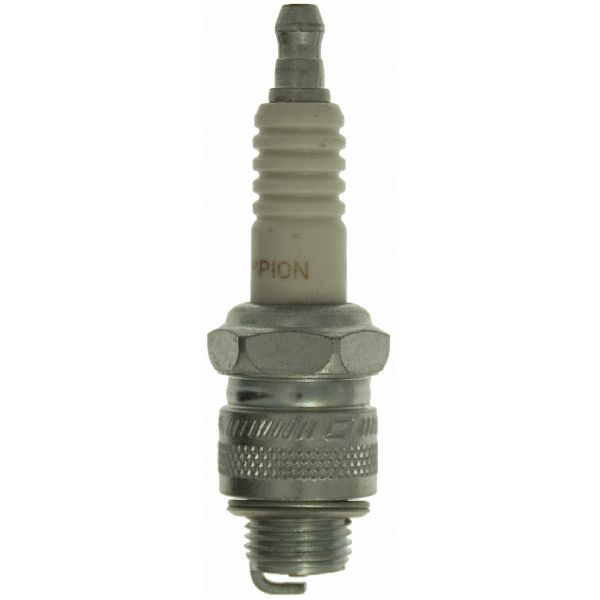
- Use a standard copper-core plug, such as the Champion Copper Plus, for best performance.
- Always check and set the spark plug gap to 0.030 inches before installation.
- Symptoms of failure include rough idle, engine misfires, and difficulty starting.
Signs of Failing Spark Plugs
On a vintage engine like the one in your Nash 980, the spark plugs are a key maintenance item. When they start to wear out, you will notice it. Look for these common symptoms that indicate it's time for a replacement.
Common Failure Symptoms
- Hard Starting: The engine turns over but takes a long time to start, or doesn't start at all.
- Rough Idle: The engine shakes or sputters when the car is stopped and idling.
- Engine Misfires: You may feel a hesitation or stumble during acceleration as one or more cylinders fail to fire properly.
- Reduced Power: The car may feel sluggish and less responsive than usual, especially when going up hills.
- Poor Fuel Economy: Worn plugs can't burn fuel efficiently, leading to more frequent stops for gasoline.
Choosing the Right Aftermarket Spark Plugs
For a 1932 vehicle, finding original "OEM" parts is not practical. The market is served by aftermarket manufacturers who produce parts that meet or exceed the original specifications. For the Nash Series 980, Champion is a well-regarded and period-appropriate brand.
The recommended modern replacement is a standard copper-core spark plug. These plugs are affordable and provide excellent performance for the type of ignition system used in your vehicle.
Aftermarket Brand Comparison
| Brand Tier | Brand | Description | Price Range (Single Plug) |
|---|---|---|---|
| Standard Replacement | Champion | A reliable and historically appropriate choice. The Copper Plus line provides dependable performance and durability suitable for the Series 980's engine. | $3.70 - $4.69 |
Pro Tip: Check the Gap
Even new spark plugs should have their gap checked and adjusted before installation. The correct gap for the 1932 Nash Series 980 using a modern Champion plug is typically 0.030 inches. Use a feeler gauge to ensure the distance between the electrodes is correct for a strong, consistent spark.
Frequently Asked Questions (FAQ)
Are there any recalls or technical service bulletins (TSBs) for the spark plugs?
No. Government agencies like the NHTSA did not issue recalls or TSBs for vehicles in this era. The earliest recall data available begins in 1966.
How many spark plugs does my Nash Series 980 need?
Your vehicle is equipped with a straight-eight engine, which requires eight spark plugs—one for each cylinder. It is recommended to replace all eight at the same time.
Can I use modern platinum or iridium plugs?
It is not recommended. While advanced spark plugs are great for modern cars, the ignition systems in vintage vehicles like the 1932 Nash were designed for standard copper-core plugs. Using a different type can sometimes lead to weaker spark and poor performance. Stick with the recommended Champion Copper Plus plugs for best results.
How often should I change the spark plugs?
For a vintage car that is driven regularly, a good rule of thumb is to inspect the plugs annually and replace them every 10,000 to 20,000 miles, or whenever you notice the symptoms of failure. Given their low cost, frequent replacement is an easy way to maintain engine health.
Technical Specifications
Engine: Straight-8, 240 c.i. Recommended Plug: Champion Copper Plus or equivalent Number of Plugs: 8 Gap: 0.030 in (0.75mm) Thread Diameter: 14mm Reach: 19mm (3/4")
We Have This Part in Stock

The information in this article is provided for general reference and educational purposes only. Vehicle specifications, procedures, and part compatibility can vary by production date, trim level, and region. Always consult your vehicle's factory service manual and verify part numbers before purchasing or performing repairs. Safety-critical components such as airbags, seat belts, and braking systems should be installed by a qualified professional.