

1995-1997 Nissan Maxima Pressure Plate: Diagnosing Slips, Shudders, and Hard Pedals
Your complete guide to identifying a failing pressure plate in your A32 Maxima and what to look for when buying a quality used replacement.
- A slipping clutch, where engine RPMs rise without a matching increase in speed, is the most definitive sign of a failing pressure plate or clutch.
- Replacement is a very difficult (4.5/5) job that requires removing the transmission; it is not recommended for novice mechanics.
- Always replace the pressure plate, clutch disc, and release bearing as a complete kit to avoid repeat labor costs.
- When buying a used pressure plate, carefully inspect the friction surface for heat spots (blue discoloration) and the diaphragm fingers for wear grooves.
Symptoms of a Failing Pressure Plate

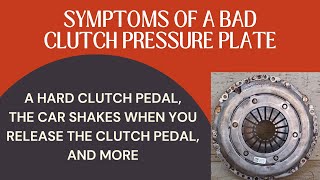
A failing pressure plate can cause several distinct problems with your car's ability to drive and shift. Because replacing it is a major job, it's important to correctly diagnose the issue first. 🎬 Watch this overview of common bad clutch pressure plate symptoms Here are the most common signs that the pressure plate in your 1995-1997 Maxima is wearing out.
Clutch Slipping
This is the most classic symptom. You'll notice the engine's RPMs increase as you accelerate, but the car's speed doesn't increase to match. It feels like the engine is racing ahead of the transmission. This happens because the pressure plate's diaphragm spring has weakened and can no longer apply enough clamping force to hold the clutch disc securely against the flywheel, especially under load like going up a hill or accelerating hard.
Hard or Stiff Clutch Pedal
If you notice the clutch pedal requires significantly more effort to press down than it used to, this can be a sign of a failing pressure plate. As the diaphragm spring fingers wear or deform from contact with the release bearing, the geometry changes, making the pedal feel stiff or hard to push.
Clutch Chatter or Shudder
When you release the clutch pedal to start moving from a stop, you may feel a noticeable vibration, shaking, or shuddering. This can be caused by a warped pressure plate surface or worn-out springs that are no longer applying pressure evenly across the clutch disc.
Difficulty Shifting Gears
A bad pressure plate may not fully release the clutch disc when you press the pedal. This is known as 'clutch drag.' It causes the transmission's input shaft to keep spinning, making it difficult to shift into gear, especially into first or reverse from a standstill. You might also hear a grinding noise when trying to shift.
Strange Noises
Squeaking, crunching, or grinding sounds when you press or release the clutch pedal can point to a problem. These noises are often caused by a broken or deformed diaphragm spring within the pressure plate assembly.
Pro Tip: Many of these symptoms can also be caused by a worn clutch disc or a failing release bearing. Because removing the transmission is so labor-intensive, it is standard practice to replace the pressure plate, clutch disc, and release bearing all at the same time as a complete kit.
Buying a Used 1995-1997 Maxima Pressure Plate: A Buyer's Guide

Since a new OEM pressure plate can be expensive or discontinued, a high-quality, low-mileage used OEM part is an excellent alternative. It often provides better performance and longevity than a cheap, new aftermarket part. Here’s what to inspect to ensure you're getting a good one.
Visual Inspection Checklist
- Friction Surface: This is the most important area. The surface that contacts the clutch disc should be smooth and flat. Look for dark blue or purple 'hot spots,' which indicate overheating from clutch slippage. Check for deep grooves, scoring, or cracks. Minor imperfections may be acceptable, but any significant damage means the part is unusable.
- Diaphragm Spring Fingers: Inspect the tips of the metal 'fingers' in the center of the pressure plate. This is where the release bearing makes contact. The tips should be relatively flat and even. Deep grooves, heavy wear, or fingers that are at uneven heights are red flags.
- Mounting Flange: Check the bolt holes around the outer edge. They should be perfectly round and free of cracks or stress marks.
- Straps and Rivets: Look at the small metal straps that connect the pressure plate's friction surface to the cover. Ensure they are not bent, buckled, or broken. Check that all rivets are tight.
- No Warping: Lay the pressure plate on a known flat surface to check for warping. A warped plate will not apply pressure evenly and will cause chatter.
Why a Used OEM Part is Often a Smart Choice
An original equipment (OEM) pressure plate was designed by Nissan specifically for the VQ30DE engine's power output and the Maxima's pedal feel. A good used OEM part from a low-mileage vehicle will retain these characteristics. In contrast, some cheap aftermarket parts may use lower-quality springs, leading to a stiff pedal, an abrupt engagement point, or a shorter lifespan.
Known Issues, TSBs, and Recalls
The 1995-1997 Nissan Maxima is generally considered a reliable vehicle, and its manual transmission and clutch components do not have widespread, documented design flaws. Searches for recalls and Technical Service Bulletins (TSBs) related to the pressure plate or clutch assembly for this specific model range did not yield any results. Any failures are typically due to normal wear and tear over time and mileage, or from aggressive driving habits.
Replacement Information

Installation Difficulty: 4.5 out of 5
Replacing the pressure plate is a difficult and labor-intensive job. It requires the complete removal of the transmission to access the clutch assembly. This is not recommended for beginners. It requires specialized tools like a transmission jack, a clutch alignment tool, and a comprehensive set of mechanic's tools. The estimated labor time for a professional is between 5 and 8 hours.
Parts to Replace at the Same Time
To avoid having to do this labor-intensive job twice, it is highly recommended to replace all related clutch components simultaneously. This is often sold as a 'clutch kit'.
- Clutch Disc: The friction surface that wears down over time.
- Release Bearing (Throw-out Bearing): The bearing that presses on the pressure plate fingers.
- Pilot Bushing/Bearing: A small bearing in the flywheel that supports the transmission input shaft.
- Flywheel: The flywheel should be either resurfaced by a machine shop or replaced entirely. A new flywheel is often recommended if the old one has significant heat damage or cracks.
- Rear Main Seal: This seal is located behind the flywheel. Replacing it is a smart 'while you're in there' job to prevent future oil leaks.
Cost Comparison: 1995-1997 Maxima Pressure Plate
The majority of the cost for this repair is in the labor. Buying a quality used OEM pressure plate or a complete aftermarket kit can offer significant savings over new OEM parts.
| Part | Estimated Cost |
|---|---|
| New OEM Pressure Plate | $150 - $250+ (if available) |
| New Aftermarket Clutch Kit (includes pressure plate) | $150 - $350 |
| Used OEM Pressure Plate | $50 - $100 |
| Shop Labor | $500 - $1200 |
Frequently Asked Questions (FAQ)
Do I have to replace the whole clutch kit or can I just replace the pressure plate?
You should always replace the pressure plate, clutch disc, and release bearing together as a kit. The labor to remove the transmission is the biggest expense, and all these parts wear out at a similar rate. Replacing only one component is risky and will likely lead to another failure and a repeat of the expensive labor cost in the near future.
Do I need to resurface or replace my flywheel?
Yes. The flywheel surface must be perfectly flat for the new clutch to engage properly and avoid shudder. If the old clutch was slipping, the flywheel surface is likely glazed or has hard spots. Most automotive machine shops can resurface a flywheel for a reasonable cost, but if it is cracked or severely damaged, it must be replaced.
What causes a pressure plate to fail?
The most common cause is simple material fatigue from hundreds of thousands of cycles of engaging and disengaging. Aggressive driving, such as launching the car or 'riding' the clutch (keeping your foot on the pedal), generates excessive heat and can cause premature failure of the diaphragm spring and friction surface.
Is a stiff clutch pedal on my Maxima always a bad pressure plate?
While a failing pressure plate is a common cause, a stiff pedal can also be caused by issues in the clutch hydraulic system, such as a failing master or slave cylinder, or a blockage in the hydraulic line. It's important to check the hydraulic system for leaks or other issues before assuming the pressure plate is the sole cause.
Technical Specifications & OEM Part Numbers
The pressure plate for the 1995-1997 Nissan Maxima is a diaphragm type with a 241mm (9 1/2 inch) diameter.
Known OEM Part Numbers (Cover Assembly-Clutch):
- 30210-40U00
- 30210-40U01
- 30210-40U02
- 30210-40U03
- 30210-40U06
- 30210-6E602
Warning: Part numbers can be superseded over time. Always verify fitment with the seller using your vehicle's VIN before purchasing.
Helpful Videos
Technical Specifications
OEM Part Numbers: 30210-40U00 30210-40U01 30210-40U02 30210-40U03 30210-40U06 30210-6E602
Type: Diaphragm Spring, Diameter: 241mm (9 1/2 inches), Input Shaft Splines: 24

The information in this article is provided for general reference and educational purposes only. Vehicle specifications, procedures, and part compatibility can vary by production date, trim level, and region. Always consult your vehicle's factory service manual and verify part numbers before purchasing or performing repairs. Safety-critical components such as airbags, seat belts, and braking systems should be installed by a qualified professional.
- Nissan Maxima:
- 🎬 Helpful Videos
- Symptoms of a Failing Pressure Plate
- Clutch Slipping
- Hard or Stiff Clutch Pedal
- Clutch Chatter or Shudder
- Difficulty Shifting Gears
- Strange Noises
- Buying a Used 1995-1997 Maxima Pressure Plate: A Buyer's Guide
- Visual Inspection Checklist
- Why a Used OEM Part is Often a Smart Choice
- Known Issues, TSBs, and Recalls
- Replacement Information
- Installation Difficulty: 4.5 out of 5
- Parts to Replace at the Same Time
- Cost Comparison: 1995-1997 Maxima Pressure Plate
- Frequently Asked Questions (FAQ)
- Technical Specifications & OEM Part Numbers
- 🎟️ Get 5% Off