

1984 Corvette Pressure Plate Guide: Fixing a Stiff Pedal and Slipping Clutch
A complete reference for diagnosing, replacing, and buying a used pressure plate for the 1984 Chevrolet Corvette with the 4+3 manual transmission.
- Many pressure plate symptoms on a 1984 Corvette can be mimicked by failing clutch hydraulics (master/slave cylinders); diagnose the hydraulic system first.
- This part fits the unique '4+3' manual transmission. You must verify the 10.4-inch diameter and 26-spline count before ordering.
- When replacing the pressure plate, you must also replace the clutch disc, throwout bearing, and pilot bearing as a complete kit.
- When buying a used pressure plate, inspect the friction surface for heat spots (blueing) and cracks, and ensure the diaphragm fingers are even.
Symptoms of a Failing Pressure Plate


A bad pressure plate can cause a range of shifting and driving problems. Because replacing it is a labor-intensive job, it's important to correctly diagnose the issue first. Many symptoms can also point to a worn clutch disc or failing hydraulic components, which are often replaced at the same time.
- Clutch Slipping: This is the most common symptom. You'll notice the engine RPMs increase as you accelerate, but the car's speed doesn't keep up. This happens because the pressure plate has lost its clamping force and can no longer hold the clutch disc firmly against the flywheel.
- Stiff or Hard Clutch Pedal: If the clutch pedal feels unusually hard to press, it can be a sign of a problem with the pressure plate's diaphragm spring.
- Chatter or Shuddering: A noticeable vibration or shaking feeling when you engage the clutch (let the pedal out) is often caused by an uneven pressure plate surface or hotspots from overheating.
- Difficulty Shifting Gears: If the pressure plate doesn't fully release the clutch disc, it can be difficult to shift into any gear, especially from a stop. You might experience grinding or feel like you have to force the shifter.
- Burning Smell: A strong, acrid smell similar to burnt toast is a classic sign of a slipping clutch. The friction from the slipping disc against the pressure plate and flywheel creates extreme heat, burning the disc's organic material.
- Unusual Noises: Grinding, rattling, or chirping sounds when you press or release the clutch pedal can point to a failing pressure plate or a worn throwout bearing.
Known Issues for the 1984 Corvette

The 1984 Corvette is a unique model, marking the first year of the C4 generation and featuring the specific Doug Nash "4+3" manual transmission—a 4-speed gearbox paired with an automatic overdrive unit on the top three gears. While the pressure plate itself is a fairly standard GM component, its surrounding systems have known quirks.
Hydraulic System Problems
Many symptoms that seem like a bad pressure plate—such as difficulty shifting or a pedal that goes to the floor—are actually caused by the clutch hydraulic system. The 1984 model was the first Corvette to use a hydraulic clutch instead of mechanical linkage. The master and slave cylinders can develop internal leaks, and air can get trapped in the lines, preventing the clutch from fully disengaging. Forum users frequently report that after replacing all clutch components, shifting problems were ultimately traced back to a faulty new master/slave cylinder or improper bleeding. Before condemning the pressure plate, it's crucial to rule out hydraulic issues.
Clutch Disc Sticking
If a 1984 Corvette has been sitting for a long period, the clutch disc can rust or adhere to the flywheel and pressure plate. This will prevent the clutch from disengaging, making it impossible to shift gears while the engine is running. Sometimes this can be resolved without removing the transmission, but in other cases, it requires disassembly.
Recalls and Technical Service Bulletins (TSBs)
As of mid-2024, there are no specific NHTSA recalls or widespread TSBs directly related to the pressure plate for the 1984 Chevrolet Corvette. Recalls for this model year focus on other areas like seat belts, brake caliper bolts, and oil filters.
Pro Tip: The 1984 Corvette's manual transmission is a 26-spline input shaft. When ordering parts, you must verify both the spline count and the clutch diameter, which is typically 10.4 inches. Several aftermarket kits with slightly different diameters (10.5" or 10.75") are also available, so confirming what is currently in the car is essential.
Buying a Used Pressure Plate
A high-quality, low-mileage used OEM pressure plate can be a better choice than a cheap, new aftermarket part. Original GM parts were often made with superior materials and balancing. However, careful inspection is critical before you buy.
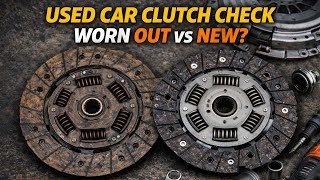
🎬 Watch: How to compare worn vs new clutch partsWhat to Inspect:
- Friction Surface: This is the most important area. Look for a smooth, flat surface. Run your hand over it to feel for grooves or warping. Avoid any pressure plate with deep scoring, cracks, or significant "hot spots" (blue or purple discoloration from extreme heat).
- Diaphragm Spring Fingers: Inspect the metal "fingers" in the center that the throwout bearing presses against. They should all be at an even height and show minimal wear. Uneven or heavily worn fingers will cause poor clutch release.
- Cracks and Damage: Carefully check the entire casting for cracks, especially around the mounting bolt holes. Any cracks mean the part is junk.
- Check for Warping: Place a straight edge across the friction surface. There should be no significant gaps underneath it. A warped pressure plate will cause clutch chatter and uneven engagement.
Cost Comparison for Clutch Replacement
Replacing a pressure plate is almost always done as part of a complete clutch job, which includes the clutch disc, throwout bearing, and pilot bearing. Prices can vary significantly based on parts chosen and local labor rates.
| Part/Service | Estimated Cost |
|---|---|
| New OEM (NOS) | $400 - $700+ (if found) |
| New Aftermarket (Clutch Kit) | $135 - $600+ |
| Used OEM (Pressure Plate Only) | $50 - $150 |
| Shop Labor | $1,000 - $2,100 |
Frequently Asked Questions (FAQ)
Do I have to replace the clutch disc and bearings with the pressure plate?
Yes. The pressure plate, clutch disc, and throwout bearing wear together as a set. Replacing only the pressure plate is a false economy, as you will have to pay for the same labor-intensive job again when the old disc or bearing fails. Clutch kits include all these matched components for a reason.
Should I resurface or replace my flywheel?
It is highly recommended to at least resurface the flywheel during a clutch job. This provides a fresh, flat surface for the new clutch disc to mate with. If the flywheel has deep grooves, excessive heat spots, or cracks, it must be replaced.
Is a stiff clutch pedal always a bad pressure plate?
Not always. While a failing pressure plate is a common cause, a stiff pedal can also be caused by issues in the hydraulic system, such as a failing master or slave cylinder, or a blockage in the hydraulic line. It's important to diagnose the entire system.
What makes the 1984 "4+3" transmission special?
The "4+3" was a unique transmission used from 1984-1988. It combined a traditional 4-speed manual gearbox with a computer-controlled automatic overdrive unit that could engage in 2nd, 3rd, and 4th gears, effectively giving you seven forward gear ratios. While innovative, the overdrive unit can be a source of problems if not properly maintained.
Helpful Videos
Technical Specifications
OEM Part Numbers: 14060623 14060624 475451 9779185
Clutch Diameter: 10.4 inches (264mm), Input Shaft Spline Count: 26, Input Shaft Diameter: 1 1/8 inches.

The information in this article is provided for general reference and educational purposes only. Vehicle specifications, procedures, and part compatibility can vary by production date, trim level, and region. Always consult your vehicle's factory service manual and verify part numbers before purchasing or performing repairs. Safety-critical components such as airbags, seat belts, and braking systems should be installed by a qualified professional.
- Chevrolet Corvette:
- 🎬 Helpful Videos
- Symptoms of a Failing Pressure Plate
- Known Issues for the 1984 Corvette
- Hydraulic System Problems
- Clutch Disc Sticking
- Recalls and Technical Service Bulletins (TSBs)
- Buying a Used Pressure Plate
- What to Inspect:
- Cost Comparison for Clutch Replacement
- Frequently Asked Questions (FAQ)
- 🎟️ Get 5% Off