

1996-1997 BMW Z3 Pressure Plate: Sizing, Symptoms, and Replacement Costs
This guide covers the critical differences between the 4-cylinder and 6-cylinder pressure plates, common failure symptoms, and how to inspect a used part.
- The most critical factor is engine size: 1996-97 1.9L 4-cylinder Z3s use a smaller clutch (215mm) while 1997 2.8L 6-cylinder models use a larger 240mm clutch. They are not interchangeable.
- Symptoms of failure include clutch slippage (engine revs but car doesn't speed up), clutch chatter from a stop, a stiff pedal, and difficulty shifting gears.
- When replacing the pressure plate, it is essential to also replace the clutch disc, release bearing, and pilot bearing as a complete kit to avoid future issues and repeated labor costs.
- A soft clutch pedal that drops to the floor is more likely a hydraulic issue (master/slave cylinder) than a bad pressure plate.
Key Differences for 1996-1997 BMW Z3

Before purchasing a pressure plate for a 1996-1997 BMW Z3, you must identify your vehicle's engine. The pressure plate is not a one-size-fits-all part for this roadster, and using the wrong one will prevent installation or lead to immediate failure.
- 1996-1997 Z3 with 1.9L 4-Cylinder (M44 engine): These models use a smaller 215mm clutch system. Some aftermarket kits may use a 228mm disc, but the pressure plate bolt pattern is specific to this engine family.
- 1997 Z3 with 2.8L 6-Cylinder (M52 engine): These models are equipped with a larger, more robust 240mm clutch system to handle the increased torque of the six-cylinder engine.
Warning: Always verify your engine and, if possible, measure the diameter of your existing pressure plate before ordering a replacement. The parts for the 1.9L and 2.8L engines are not interchangeable.
Symptoms of a Failing Pressure Plate

A failing pressure plate can share symptoms with other worn clutch components, but some signs point more directly to the pressure plate itself.
- Clutch Slipping: This is the most common symptom. You'll notice the engine RPMs increase as you accelerate, but the car's speed doesn't increase accordingly. This happens because the pressure plate's diaphragm spring has weakened and can no longer provide enough clamping force on the clutch disc.
- Hard or Stiff Clutch Pedal: If the pedal feels unusually firm or requires more effort to press, it can be a sign of problems with the pressure plate's release mechanism.
- Clutch Chatter or Shudder: A noticeable vibration or chattering sound when you engage the clutch (release the pedal from a stop) can be caused by hot spots, warping, or damage on the pressure plate's friction surface.
- Difficulty Shifting Gears: If the pressure plate is not fully disengaging from the clutch disc when you press the pedal, it can be difficult or impossible to shift into gear, especially from a standstill. This is also known as "clutch drag."
- Burning Smell: A strong, acrid burning smell, often compared to burnt toast, is a classic sign of a slipping clutch. The friction from the slippage creates intense heat, burning the clutch disc material.
- Changes in Pedal Engagement Point: If the clutch starts to grab much higher or lower in the pedal's travel than it used to, it can indicate wear in the pressure plate and clutch disc assembly.
Pro Tip: Problems like a soft pedal that goes to the floor with no resistance are often caused by the clutch hydraulic system (master or slave cylinder) rather than the pressure plate itself. Always check the clutch fluid level and look for leaks around the slave cylinder on the transmission before assuming the pressure plate is the issue.
Buying a Used Pressure Plate: What to Check

A used OEM pressure plate from a low-mileage vehicle can be a reliable and cost-effective option, especially since OEM brands like LuK and Sachs are known for their quality. However, careful inspection is critical.
- Check the Friction Surface: The surface that contacts the clutch disc should be smooth and flat. Look for deep grooves, scoring, or cracks.
- Look for Hot Spots: Bluish or rainbow-colored discolorations on the metal surface are "hot spots" caused by excessive heat from slippage. A pressure plate with significant hot spots should be avoided as the metal has lost its temper and is likely warped.
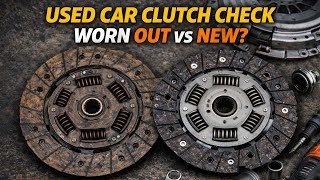
- Inspect for Warping: 🎬 Watch this guide comparing worn out versus new clutch components Lay a straight edge across the friction surface. You should not be able to see any significant gaps. A warped pressure plate will cause clutch chatter.
- Examine the Diaphragm Spring: The "fingers" in the center of the pressure plate should be even and show no signs of excessive wear, cracking, or breakage where the release bearing makes contact.
- Verify Part Numbers: Cross-reference the part number on the unit with the known OEM numbers for your specific engine (1.9L M44 or 2.8L M52) to ensure compatibility.
Known Issues, TSBs, and Recalls
There are no specific recalls or Technical Service Bulletins (TSBs) from the NHTSA that directly address the pressure plate for the 1996-1997 BMW Z3. However, a recall (NHTSA 97V131000) was issued for a potential issue with the throttle cable bushing, which could affect deceleration but is unrelated to the clutch assembly. Some owner complaints mention clutch failure or loss of pressure, but these are often linked to the hydraulic slave or master cylinders.
Replacement Cost & Difficulty

Replacing a pressure plate is a labor-intensive job that requires removing the transmission.
- DIY Difficulty: 4 out of 5. This is an advanced DIY job requiring a vehicle lift 🎬 Watch a full step-by-step BMW clutch and flywheel replacement or multiple jack stands, a transmission jack, a full set of metric and E-Torx sockets, and a clutch alignment tool.
- Professional Installation: It is highly recommended to replace the pressure plate, clutch disc, release bearing, and pilot bearing as a complete kit. This ensures all components wear evenly and saves you from paying for the same labor twice.
| Part/Service | Estimated Cost | Notes |
|---|---|---|
| New OEM Clutch Kit (BMW Branded) | $895 - $1,032 | Includes pressure plate, disc, and bearings. |
| New Aftermarket Kit (LuK/Sachs) | $280 - $470 | LuK and Sachs are often the original equipment manufacturers for BMW. |
| Used OEM Pressure Plate | $50 - $100 | Part only. Price varies by condition and source. |
| Shop Labor Cost | $683 - $1,002 | For complete clutch job. Total replacement cost at a shop can range from $1,160 to $1,541 for these model years. |
Frequently Asked Questions (FAQ)
Can I replace just the pressure plate and not the clutch disc?
It is strongly discouraged. The pressure plate, clutch disc, and release bearing wear together as a system. Replacing only one component will likely result in poor performance and premature failure, requiring you to pay for the expensive labor of removing the transmission again. Always replace these parts as a complete kit.
How do I know if I need the 215mm or 240mm pressure plate?
It depends on your engine. If your 1996-1997 Z3 has the 1.9L 4-cylinder M44 engine, you need the smaller clutch system (typically 215mm). If you have a 1997 Z3 with the 2.8L 6-cylinder M52 engine, you need the larger 240mm clutch system. Always confirm your engine before purchasing.
What is a dual-mass flywheel and do I need to replace it?
The Z3 came with a dual-mass flywheel (DMF) from the factory, which uses internal springs to dampen engine vibrations. These can wear out and are expensive to replace. If the flywheel has excessive play, scoring, or heat damage, it should be replaced or resurfaced (if possible). Some owners opt for a single-mass flywheel conversion kit, which can be more durable and less expensive but may introduce more drivetrain noise and vibration.
Is a LuK or Sachs pressure plate as good as the Genuine BMW part?
Yes. LuK and Sachs are original equipment manufacturers (OEMs) for BMW, meaning they produce the parts that are put into a BMW box. Buying a clutch kit from one of these brands is a common way to get OEM quality without the dealership markup.
Helpful Videos

Technical Specifications
OEM Part Numbers: 21211223326 21211223499 21211223530 21211223531 21211223550 21211223571 21211223597 21211223602
Diameter: 215mm for 1.9L M44 engine, 240mm for 2.8L M52 engine.

The information in this article is provided for general reference and educational purposes only. Vehicle specifications, procedures, and part compatibility can vary by production date, trim level, and region. Always consult your vehicle's factory service manual and verify part numbers before purchasing or performing repairs. Safety-critical components such as airbags, seat belts, and braking systems should be installed by a qualified professional.
- BMW Z3: