

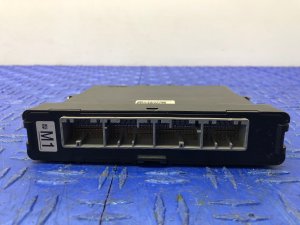
2010 Toyota Prius Power Management ECU: The Stall Risk and Recall Fix
This guide covers the critical software recall for the 2010 Prius Power Management ECU that can cause stalling, and explains replacement and programming.
- A critical safety recall (NHTSA 14V053000) affects this part; its software can cause a sudden stall while driving.
- This module is NOT plug-and-play. It requires programming by a dealer, a capable independent shop, or a mail-in cloning service.
- Before replacing, check if the free recall software update from a Toyota dealer resolves the issue.
- Buying a used OEM module can save over $500, but you must have a programming plan in place before purchase.
Known Issues, Recalls, and Technical Service Bulletins (TSBs)
Critical Recall: Hybrid System Stall (NHTSA 14V053000)
The most significant issue affecting the 2010 Prius Power Management ECU is a major safety recall, known internally by Toyota as campaign J0V. This recall also covers Prius models up to 2014.
- The Problem: The original software settings in the Power Management ECU and the Motor/Generator ECU can cause excessive heat (thermal stress) in the transistors of the Intelligent Power Module (IPM), which is inside the hybrid system's inverter.
- The Consequence: This heat can damage the transistors, leading to multiple warning lights, the vehicle entering a low-power "limp-home" mode, or a complete shutdown of the hybrid system. This can cause the vehicle to stall unexpectedly while driving, increasing the risk of a crash.
- The Fix: The remedy is a free software update performed by a Toyota dealer. The dealer will update the software for both the Power Management ECU and the Motor/Generator ECU. If the inverter has already failed due to this issue, the recall may also cover its repair or replacement. Before purchasing a used vehicle or replacing this part, it is crucial to check with a Toyota dealer or on the NHTSA website to see if this recall is open for the specific vehicle.
Warning: A failure of the Power Management ECU can cause the vehicle to lose all power and stall in traffic. If you experience warning lights like "Check Hybrid System," have your vehicle inspected immediately.
Early 2010 Production ABS Software Recall
Some early 2010 Prius models, manufactured before February 2010, were also subject to a recall for their anti-lock brake (ABS) software. Owners reported an inconsistent or delayed braking feel on slick or rough roads. Toyota issued a software update and made a running production change in January 2010 to correct this. This highlights a known production split in the 2010 model year that buyers of used parts should be aware of.
Symptoms of a Failing Power Management ECU
While a catastrophic failure can happen suddenly, you may see these warning signs:
- "Check Hybrid System" Message: This is the most common indicator of a problem within the hybrid powertrain.
- Multiple Warning Lights: The master warning light (a yellow or orange triangle with an exclamation point) will likely illuminate along with other system lights.
- Sudden Loss of Power: The vehicle may abruptly enter a "limp mode," where acceleration is severely limited.
- Complete Stall: In the worst-case scenario related to the recall, the hybrid system shuts down entirely, causing the vehicle to lose power and coast to a stop.
- Stuck in Park: Some owners have reported the vehicle being unable to shift out of Park or into Neutral when the ECU fails.
Associated Diagnostic Trouble Codes (DTCs) can include P0A94, P324E, P3004, or P0A1A, which often point to an inverter failure triggered by the ECU software issue.
Programming and Installation Requirements
Replacing the Power Management ECU is not a simple plug-and-play task. The replacement module must be programmed to work with your specific vehicle. Failure to program the module will result in the vehicle not starting or running correctly.
Programming Options:
- Toyota Dealership: The most straightforward, but often most expensive, option. A dealer has the proprietary Techstream software and hardware to install a new or used module and perform the necessary software updates.
- Independent Repair Shop: Many independent shops that specialize in Toyota or hybrid vehicles have the necessary tools, such as a J2534 pass-thru device and a subscription to Toyota's Technical Information System (TIS), to program the module.
- Mail-in Cloning/Programming Service: For DIY-minded owners, this is often the best-value option. You send your original ECU and the replacement used ECU to a specialized service. They clone the data (including VIN and security information) from your old module to the replacement. The returned module is then plug-and-play, requiring no further programming.
Pro Tip: Before buying a used Power Management ECU, have a clear plan for how you will get it programmed. Contact local shops to confirm they can program a used Toyota module or identify a reputable mail-in service.
Buying a Used Power Management Module
Purchasing a used OEM module is a great way to save money, as new units can be very expensive. However, you must be a careful shopper.
- Verify Part Numbers: Toyota has updated this part several times. The original part number, 89681-47080, has been superseded by newer versions like 89681-47380. A newer part number will often work in place of an older one, but it's critical to check compatibility. Always try to match the part number from your original module.
- Inspect for Damage: Do not buy a module with any physical damage, corrosion on the pins, or signs of water intrusion.
- Choose a Reputable Seller: Buy from a seller with good ratings who offers a warranty. This provides protection in case the part is non-functional.
- Factor in Programming: Remember that the price of the used module is only part of the total cost. You must also budget for programming.
Cost Comparison
The cost to replace the Power Management ECU can vary significantly based on the source of the part and labor rates.
| Item | Estimated Cost |
|---|---|
| New OEM Part (Dealer) | $650 - $1,000 |
| Used OEM Part (Salvage/Online) | $50 - $150 |
| Shop Labor (Installation & Programming) | $150 - $400 |
| Total (New OEM + Labor) | $800 - $1,400 |
| Total (Used OEM + Labor) | $200 - $550 |
Frequently Asked Questions (FAQ)
Can I still drive my Prius if the "Check Hybrid System" light is on?
It is strongly recommended not to. The underlying issue, especially if it's related to the Power Management ECU recall, could cause the vehicle to stall at any time, which is a serious safety risk. You should have the vehicle diagnosed as soon as possible.
How do I know if the recall was performed on my car?
A Toyota dealer can look up your Vehicle Identification Number (VIN) to see all completed and outstanding recalls. You can also check for yourself on the official NHTSA website (nhtsa.gov/recalls) by entering your VIN.
Is replacing the Power Management ECU a DIY job?
The physical replacement is relatively simple for a DIYer with basic tools, as the module is located behind the glove box. However, the mandatory programming that's required after installation makes it a difficult DIY job unless you use a mail-in cloning service to pre-program the replacement part.
Will a used ECU from any 2010 Prius work in my car?
Not necessarily. There was a production change during the 2010 model year, and part numbers were updated. It is essential to match the part number from your original ECU or confirm that a newer, superseded part number is compatible. After installation, it will still require programming.
Technical Specifications
OEM Part Numbers: 89681-47080 89681-47380 89681-47081 89681-47082 89681-47083 89681-47084 89681-47085 89681-47086 89681-47087 89681-47088
Location: Right-hand (passenger side) of the dashboard, behind the glove compartment.
We Have This Part in Stock





The information in this article is provided for general reference and educational purposes only. Vehicle specifications, procedures, and part compatibility can vary by production date, trim level, and region. Always consult your vehicle's factory service manual and verify part numbers before purchasing or performing repairs. Safety-critical components such as airbags, seat belts, and braking systems should be installed by a qualified professional.
- Toyota Prius:
- 🛍️ Shop This Part
- Known Issues, Recalls, and Technical Service Bulletins (TSBs)
- Critical Recall: Hybrid System Stall (NHTSA 14V053000)
- Early 2010 Production ABS Software Recall
- Symptoms of a Failing Power Management ECU
- Programming and Installation Requirements
- Programming Options:
- Buying a Used Power Management Module
- Cost Comparison
- Frequently Asked Questions (FAQ)
- 🎟️ Get 5% Off