

2001 Lexus LS430 Power Steering Pump: Whine, Leaks, and Replacement Guide
This guide covers common failure symptoms, replacement costs, and what to look for when buying a used power steering pump for your 2001 LS430.
- The most common failure symptom is a whining noise that changes pitch with engine RPM, especially when turning.
- Only use Dexron III compatible Automatic Transmission Fluid (ATF); using generic power steering fluid can damage the system.
- Bleeding all air from the system after replacement is critical. Failure to do so will cause noise and can damage the new pump.
- Consider replacing the power steering reservoir along with the pump, as its internal filter can become clogged and starve the new pump of fluid.
Symptoms of a Failing 2001 LS430 Power Steering Pump
A failing power steering pump on the LS430 usually gives clear warning signs. Ignoring them can lead to a complete loss of power assist, making the car very difficult to steer, especially in emergencies.
Whining or Groaning Noises
The most common symptom is a distinct whining or groaning noise that changes with engine RPM. The noise will get louder when you turn the steering wheel and may be most noticeable when the engine is cold. This sound is often caused by air entering the system through a leak or by the pump itself wearing out internally. Sometimes, this noise can be caused by a simple, aging O-ring that allows air into the system.
Stiff or Heavy Steering
If turning the steering wheel suddenly requires a lot of effort, especially at low speeds, the pump is likely not producing enough pressure. This can happen intermittently at first but will typically worsen over time. This indicates that fluid is not being properly circulated.
Fluid Leaks
Puddles of reddish or dark brown fluid under the front passenger side of your car are a strong indicator of a power steering leak. While leaks can come from hoses or the steering rack, the pump itself is a common source. Check the pump body, the pulley shaft seal, and the hose connections for wetness or active dripping. Sometimes, a leak is slow, showing only as residue on the pump and the plastic undercarriage tray.
Dark or Foamy Fluid
The correct power steering fluid is a red Automatic Transmission Fluid (ATF). If you check the reservoir and the fluid is dark brown or black, it's old and has likely been contaminated by deteriorating seals or metal particles. Foamy or bubbly fluid is a sure sign that air is getting into the system, which can quickly damage the pump.
Known Issues, Recalls, and Technical Service Bulletins (TSBs)
As of mid-2026, there are no specific recalls from the National Highway Traffic Safety Administration (NHTSA) for the power steering pump on the 2001 Lexus LS430. However, several TSBs relate to the broader steering system:
- TSB ST00301 (September 2001): Addresses a potential "groan noise" from the steering column, involving a change to the steering column upper tube assembly.
- TSB SU00101 (February 2001): Pertains to reducing steering flutter at highway speeds by changing the front suspension lower arm No. 2 bushing.
- A common issue noted in owner forums is a whining noise caused by a failing O-ring on the pump's air control valve or fluid inlet, which allows air to be sucked into the system. This is often a simple fix that can resolve noise issues without replacing the entire pump.
Pro Tip: Before condemning the pump for a whining noise, check the fluid level and condition. If the level is good, consider replacing the inexpensive O-rings on the fluid inlet and air control valve, as this is a very common and cheap fix for air-related whining.
Buying a Used 2001 LS430 Power Steering Pump
The OEM power steering pump on the LS430 is known for its durability. A high-quality, low-mileage used OEM pump is often a more reliable and cost-effective choice than a new, unbranded aftermarket part. Here’s what to look for:
- Verify Part Numbers: Ensure the used pump matches the OEM part numbers for your vehicle. Known compatible numbers include 44310-50070, 44310-50071, 44310-50090, and 44310-50091. The part number 44310-50070 is a common replacement for the 2001-2006 model years.
- Physical Inspection: Carefully inspect the used pump. Look for any cracks in the aluminum housing. Check the pulley for any dents or significant damage, as this can throw the belt. Ensure the shaft spins smoothly by hand with no grinding or excessive play. The hose connection points should have clean threads and no signs of damage.
- Mileage and Source: Ask for the mileage of the donor vehicle if possible. While these pumps are robust, one from a vehicle with over 150,000 miles carries a higher risk. Pumps from front-end collision vehicles are often good candidates, as the pump itself is usually undamaged.
- Red Flags: Avoid pumps that are covered in old, caked-on fluid, as this indicates a long-term leak. If the seller cannot provide the part number or photos of the actual unit, it's best to look elsewhere.
Cost Comparison
Prices can vary based on location and supplier. The following table provides an estimated cost breakdown for different replacement options.
| Part Type | Estimated Cost | Notes |
|---|---|---|
| New OEM | $480 - $700 | Purchased from a Lexus dealership or online OEM parts supplier. Offers the best fit and longevity. |
| New Aftermarket | $275 - $320 | Available from retailers like AutoZone. Quality can be inconsistent compared to OEM. |
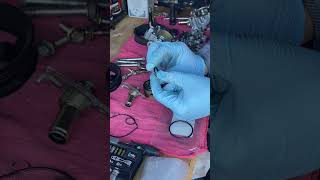
| Remanufactured | $195 - $250 | A used OEM core that has been rebuilt. A good budget option, but quality depends on the rebuilder. Often requires a core deposit. | 🎬 See how to rebuild the pump yourself in this step-by-step video.
| Used OEM | $60 - $100 | Sourced from a recycled vehicle. Offers OEM quality at a low price point, but comes with risks related to age and mileage. |
| Shop Labor | $232 - $340 | Typically 2-3 hours of labor at an independent repair shop. |
Replacement Overview & Procedures
Replacing the power steering pump is a moderately difficult job that a skilled DIY mechanic can perform in a few hours. The pump is located on the front of the engine, driven by the serpentine belt.
Warning: The power steering system uses specific fluid. For the 2001 LS430, you must use a fluid that meets Dexron III Automatic Transmission Fluid (ATF) specifications. Using standard "Power Steering Fluid" can damage the seals and the pump.
Key Replacement Steps:
- Drain the Fluid: Use a siphon or turkey baster to remove as much fluid as possible from the reservoir. Place a drain pan under the pump to catch spills.
- Remove the Serpentine Belt: Use a breaker bar on the belt tensioner to release tension and slide the belt off the power steering pump pulley.
- Disconnect Hoses: Disconnect the high-pressure line (banjo bolt) and the low-pressure return hose from the pump. Be prepared for more fluid to drain out.
- Unbolt the Pump: Remove the mounting bolts that secure the pump to the engine block.
- Transfer Pulley (If Necessary): The replacement pump may not come with a pulley. You will need a specialized power steering pulley puller/installer tool to safely remove the pulley from the old pump and install it on the new one.
- Installation and Bleeding: Installation is the reverse of removal. After installing the new pump and reconnecting all hoses and the belt, you must bleed the system to remove all air. Failure to do so will cause pump noise and potential damage.
System Bleeding Procedure:
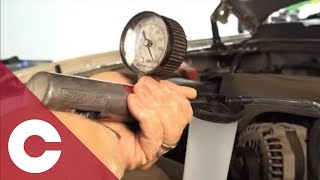
🎬 Watch this video to see how to properly bleed the system.- Fill the reservoir to the 'COLD' mark with fresh Dexron III ATF.
- With the engine OFF, slowly turn the steering wheel from full lock to full lock 10-15 times. Check the fluid level and top off as needed. Bubbles should rise in the reservoir.
- Once the fluid level stabilizes, start the engine and let it idle.
- Slowly turn the wheel lock-to-lock again several times. The pump may be noisy at first, but it should quiet down as the remaining air is purged.
- Turn off the engine, re-check the fluid level, and top off to the 'HOT' mark if the engine is warm.
Frequently Asked Questions (FAQ)
What fluid should I use in my 2001 LS430 power steering system?
You must use an Automatic Transmission Fluid (ATF) that is specified as Dexron III (or a backward-compatible fluid like Dexron VI). Do not use generic power steering fluid, as it can cause seal damage.
My pump is whining, but it's not leaking. Do I need to replace it?
Not necessarily. A whining noise is often caused by air in the system or very old, dirty fluid. First, check the fluid level. If it's low, top it off and check for leaks. If the level is fine but the fluid is dark, try flushing it. A very common cause is a small, inexpensive O-ring on the pump's air control valve that has hardened, allowing air to be sucked in. Replacing this O-ring often solves the problem.
Can I rebuild my LS430 power steering pump?
Yes, rebuilding the pump is possible. Seal kits are available from Toyota/Lexus for around $25. The process involves completely disassembling the pump, cleaning all components, and replacing all the rubber O-rings and seals. It requires careful attention to detail to ensure all internal parts are reinstalled in the correct orientation. For most people, buying a quality used or remanufactured pump is a faster and less risky option.
Do I need to replace the reservoir with the pump?
It is highly recommended. The power steering reservoir contains a non-serviceable internal filter screen. Over time, this screen can become clogged with debris, restricting fluid flow and starving the new pump. A clogged reservoir is a common cause of whining and premature pump failure.
Helpful Videos
Technical Specifications
OEM Part Numbers: 44310-50070 44310-50071 44310-50090 44310-50091
Fluid Type: Dexron III Automatic Transmission Fluid (ATF)
We Have This Part in Stock


The information in this article is provided for general reference and educational purposes only. Vehicle specifications, procedures, and part compatibility can vary by production date, trim level, and region. Always consult your vehicle's factory service manual and verify part numbers before purchasing or performing repairs. Safety-critical components such as airbags, seat belts, and braking systems should be installed by a qualified professional.
- Lexus LS430:
- 🎬 Helpful Videos
- 🛍️ Shop This Part
- Symptoms of a Failing 2001 LS430 Power Steering Pump
- Whining or Groaning Noises
- Stiff or Heavy Steering
- Fluid Leaks
- Dark or Foamy Fluid
- Known Issues, Recalls, and Technical Service Bulletins (TSBs)
- Buying a Used 2001 LS430 Power Steering Pump
- Cost Comparison
- Replacement Overview & Procedures
- Key Replacement Steps:
- System Bleeding Procedure:
- Frequently Asked Questions (FAQ)
- 🎟️ Get 5% Off